Orientation
Seven hills, one river, a state inside the city
A city on hills, counted in rioni
Rome is the capital and largest city of Italy: about 2,700,000 people in a comune of about 496 square miles, most of what a visitor sees packed inside the Aurelian Walls, a circuit of about twelve miles built between AD 271 and 275. The Tiber bends through it from north to south, past the island where the first settlement found its ford, and the old city is divided into twenty-two numbered rioni, all of them today in the first municipio. Inside Rome, west of the river, lies Vatican City, the smallest country in the world, an independent state since 1929. Two airports and the great station at Termini bring you in (getting here); once inside you get around on foot and by the three Metro lines. Each rione has a character of its own, which is most of where to stay.
Kings, emperors and popes
Tradition dates the founding to around 753 BC, though people lived on these hills far longer. Rome was the capital of a kingdom, a republic and an empire; after the empire fell in the west it came under the popes, whose Papal States lasted until 1870, and from the Renaissance they rebuilt it as a showcase of art for four hundred years. In 1871 it became the capital of the Kingdom of Italy, and its historic center is a World Heritage Site. Begin with the sights; the ruins and villas beyond the ring road are day trips.
The weather, the table and the tickets
The climate is Mediterranean, with hot, dry summers and mild, humid winters (when to come). Some of the great monuments sell entry by the time slot and others are simply open (booking ahead). The city's own pasta dishes — cacio e pepe, gricia, carbonara, amatriciana — have a page of their own (eating and drinking), and there is an itinerary for every length of stay.
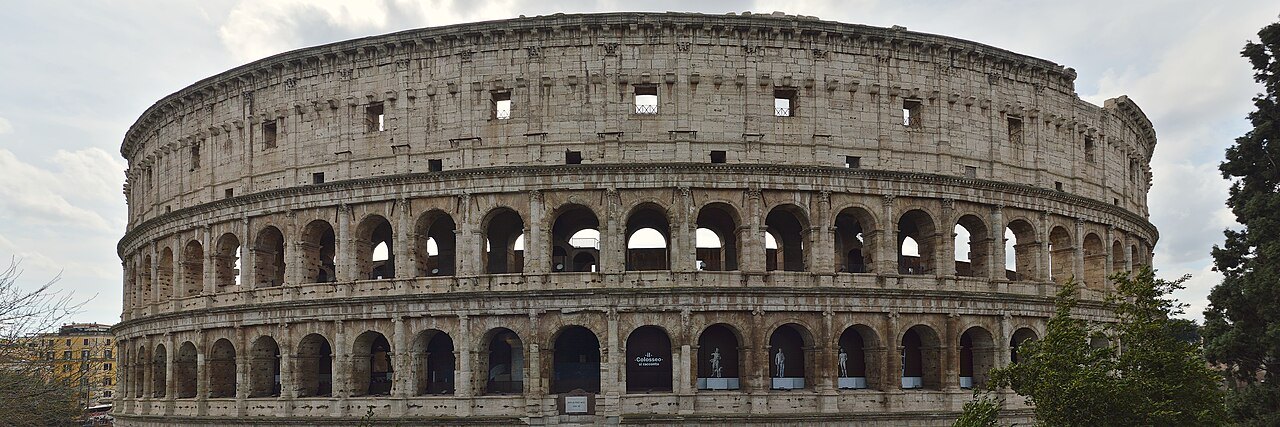
- The Colosseum
- The Roman Forum
- The Palatine Hill and the Circus Maximus
- The Capitoline Hill and its Museums
- The Baths of Caracalla
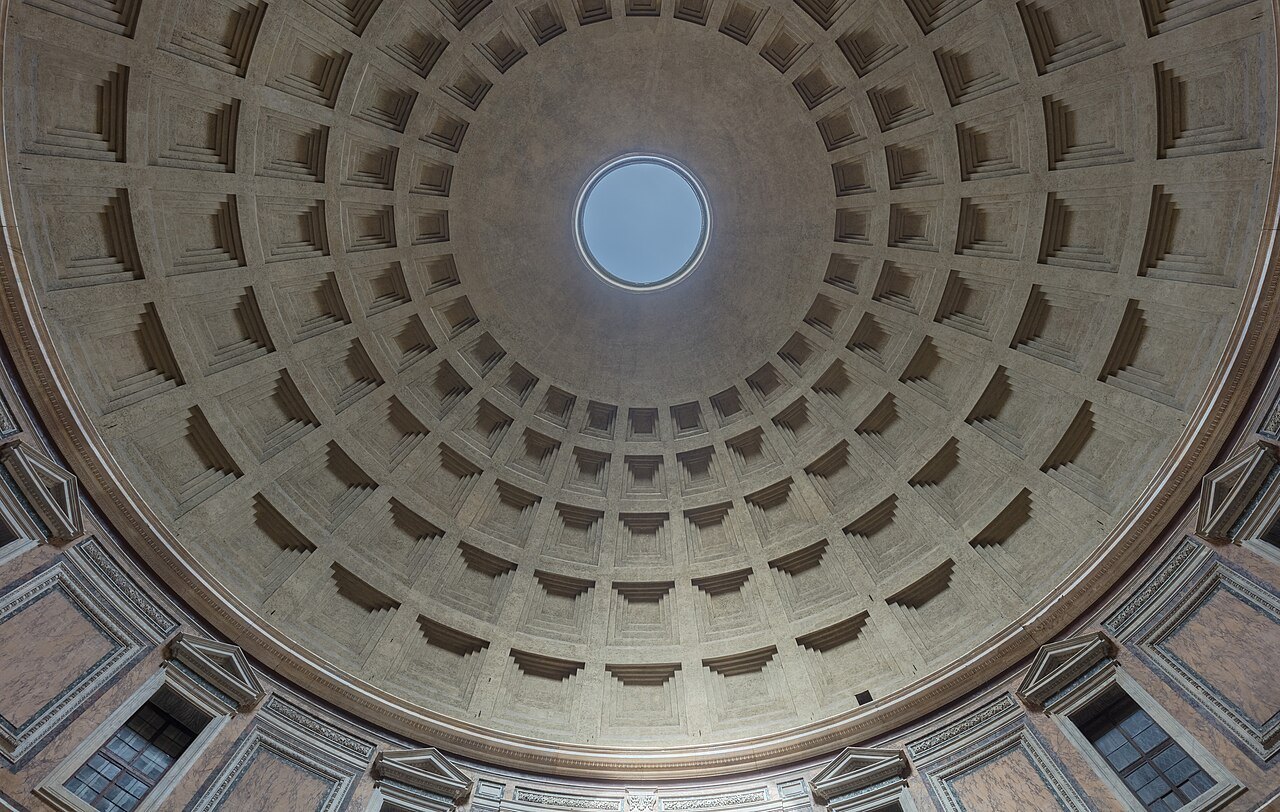
- The Pantheon
- Piazza Navona and Campo de' Fiori
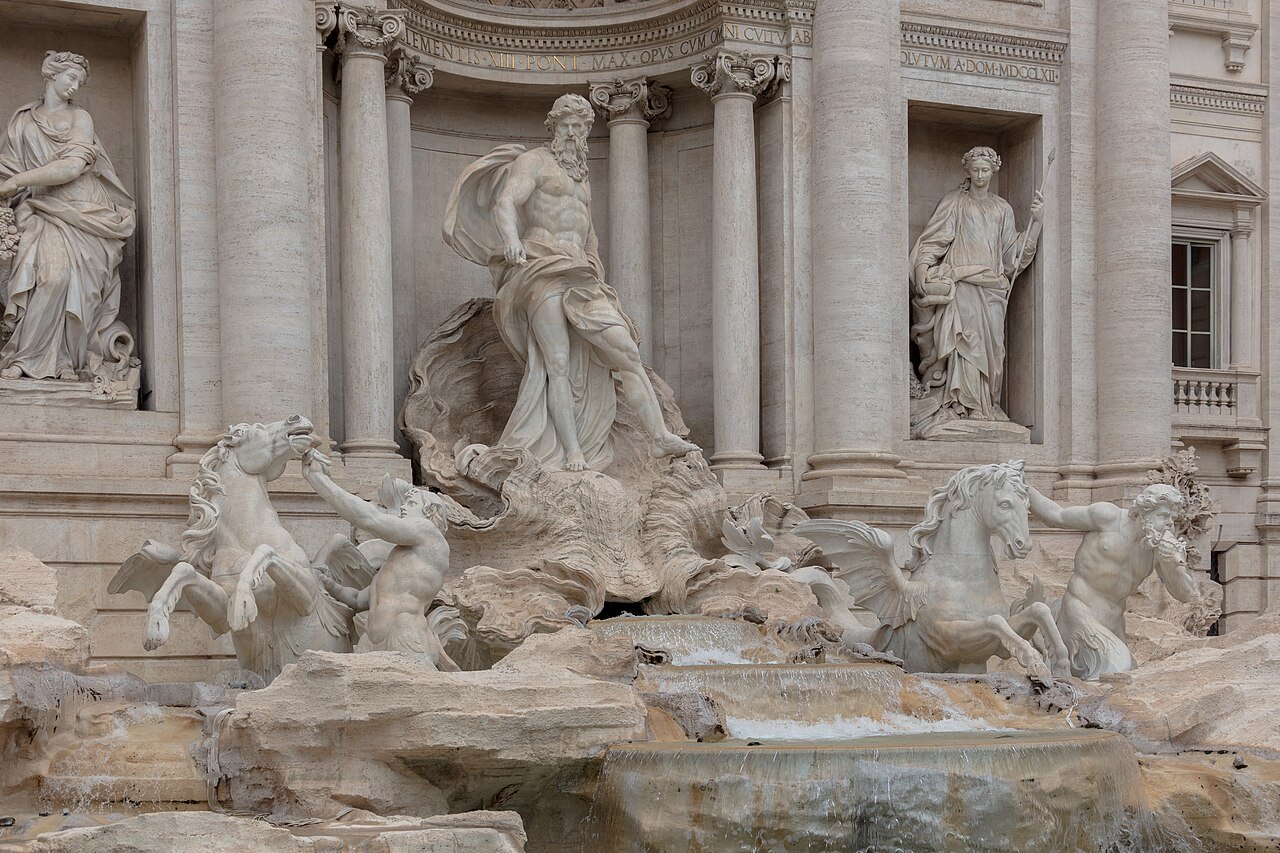
- The Trevi Fountain
- The Spanish Steps
- Piazza del Popolo and the Pincio
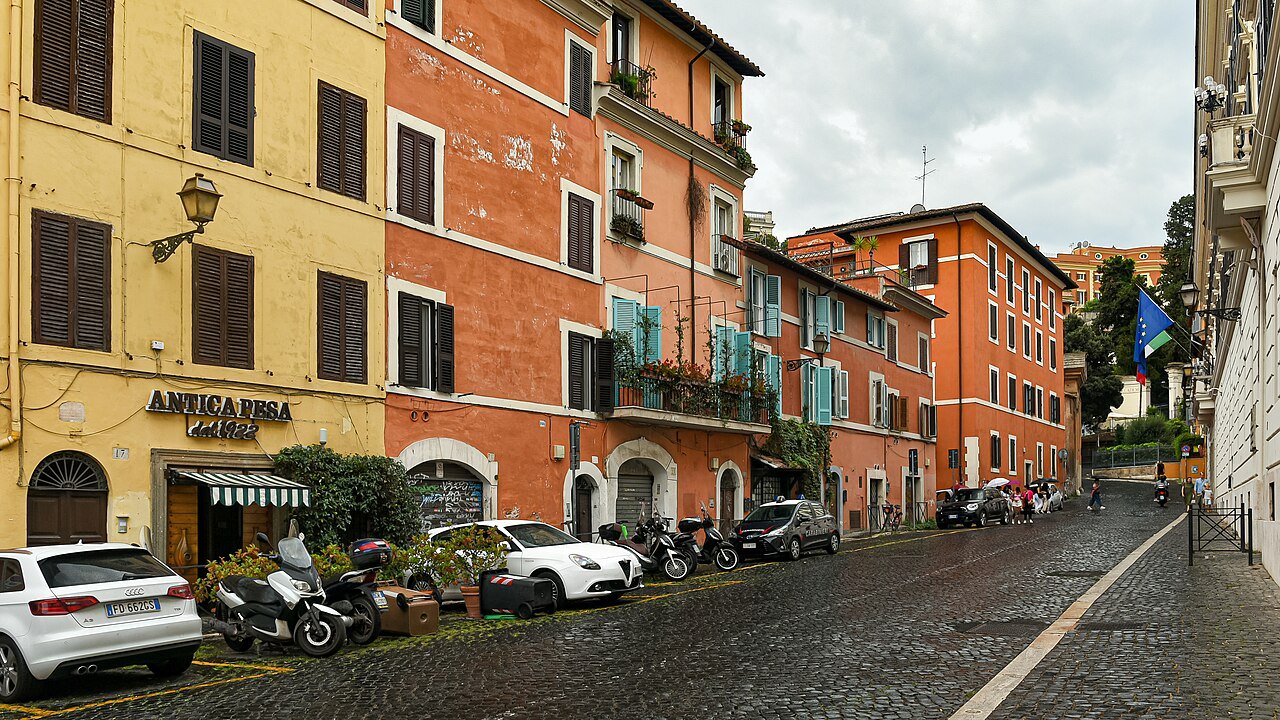
- Trastevere
- Castel Sant'Angelo
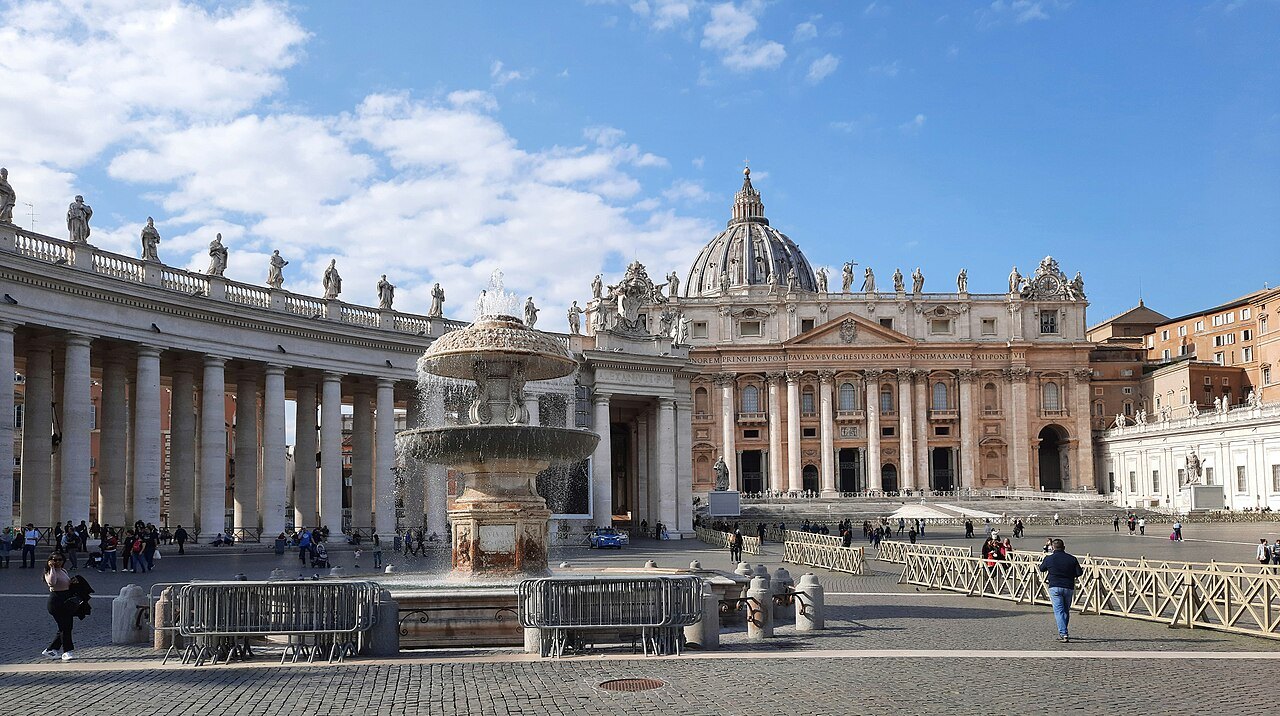
- St. Peter's Basilica and Square
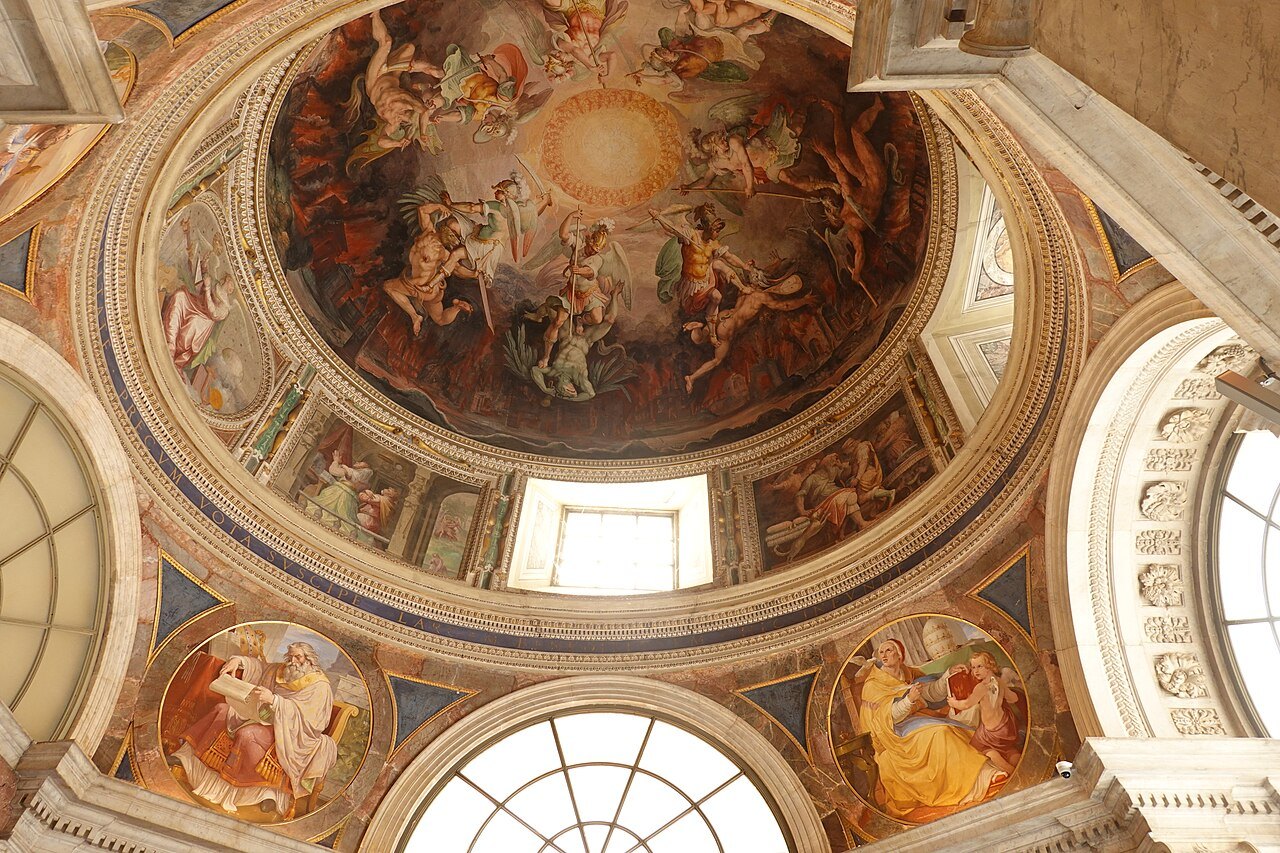
- The Vatican Museums and the Sistine Chapel
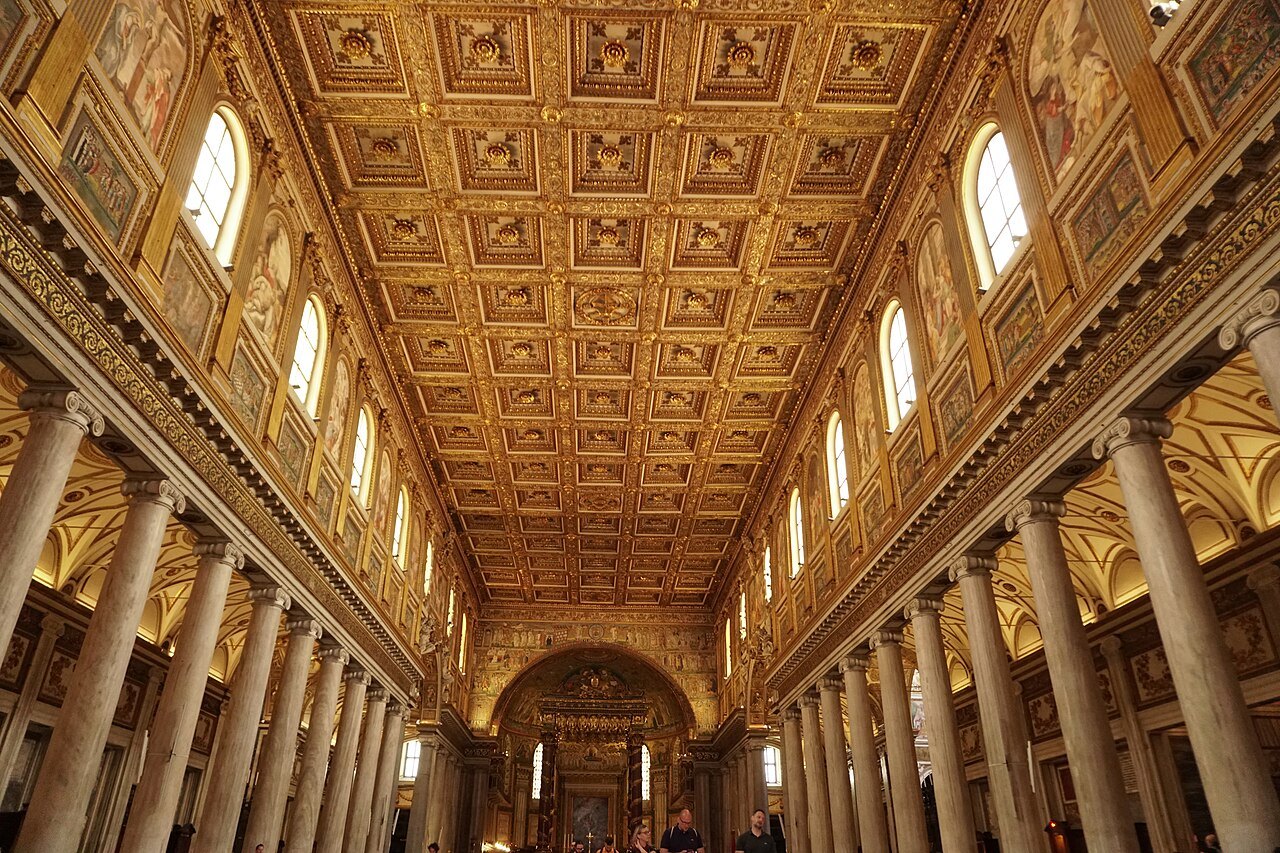
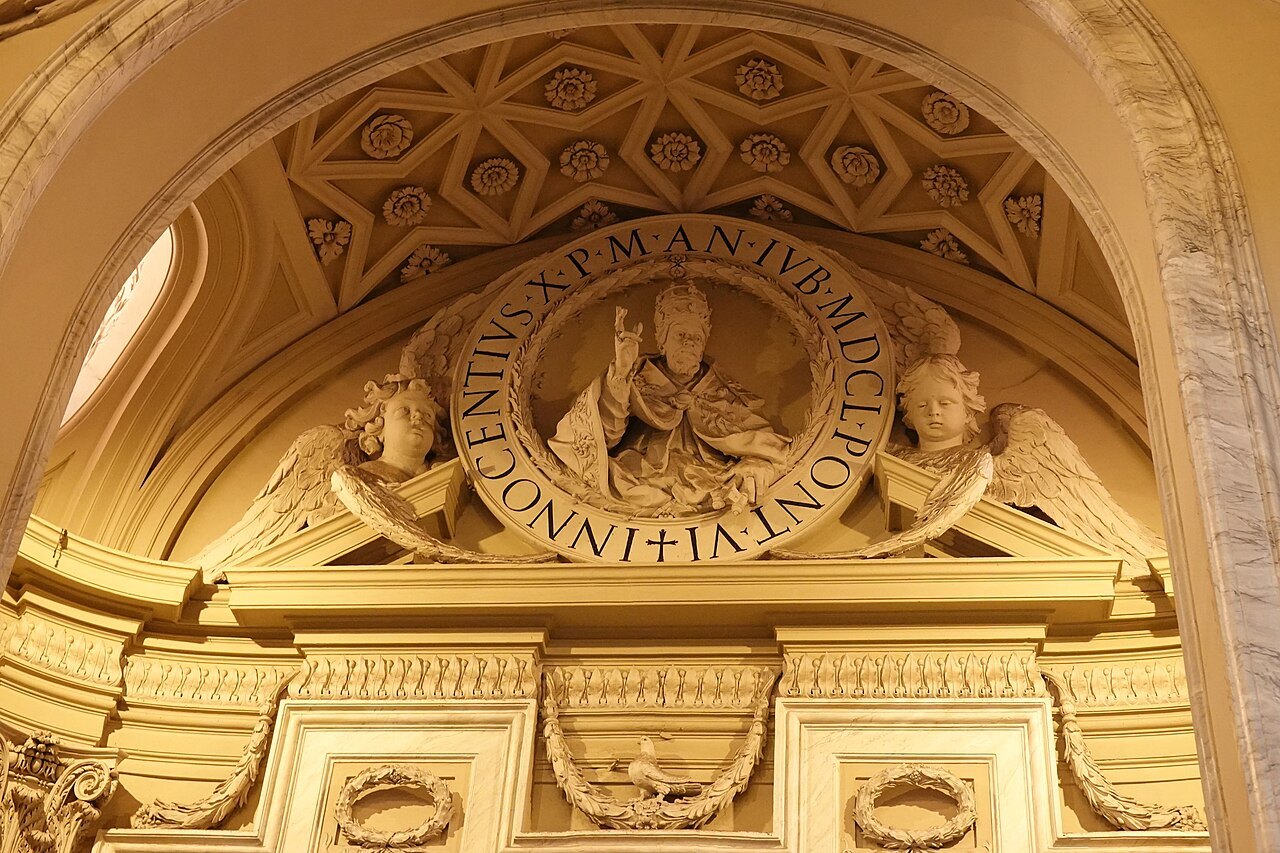
- Santa Maria Maggiore
- St. John Lateran
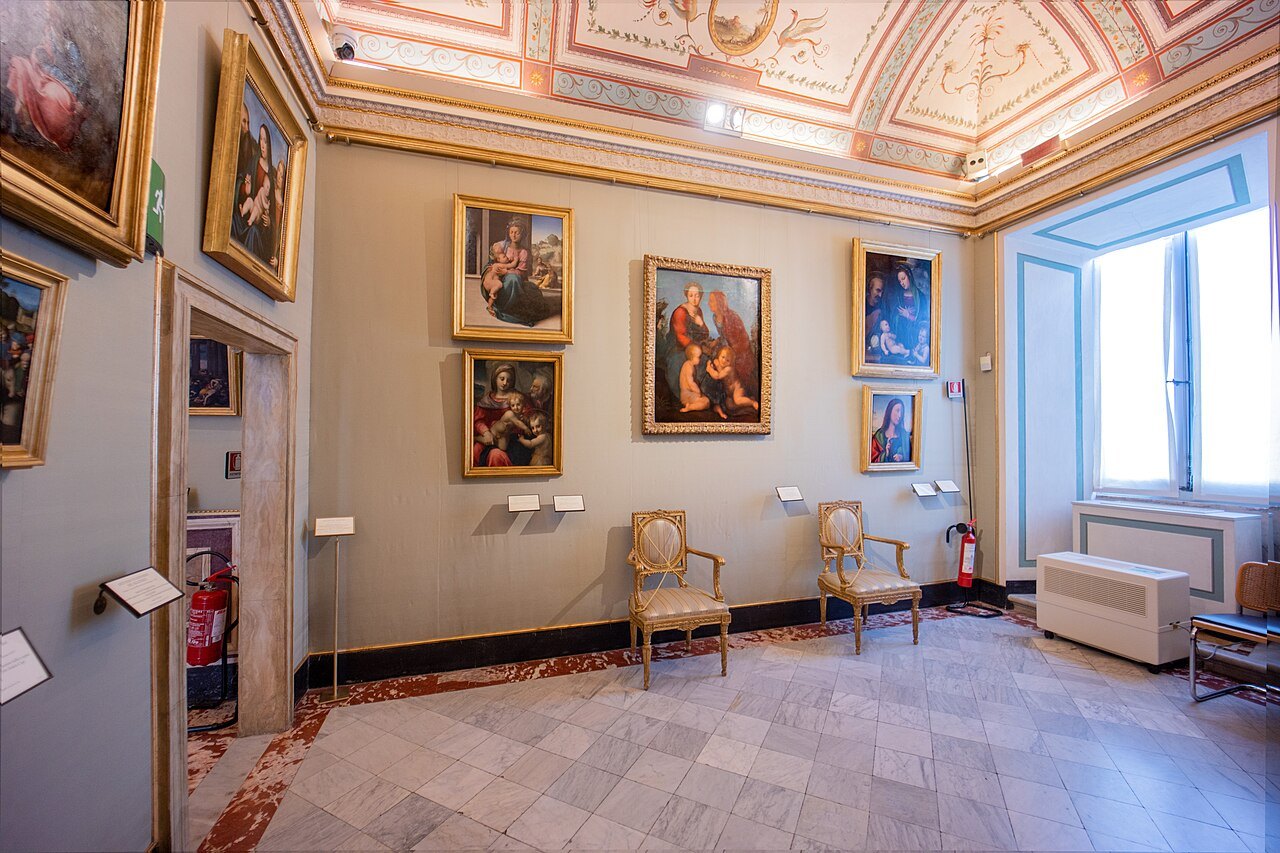
- The Borghese Gallery and its Gardens
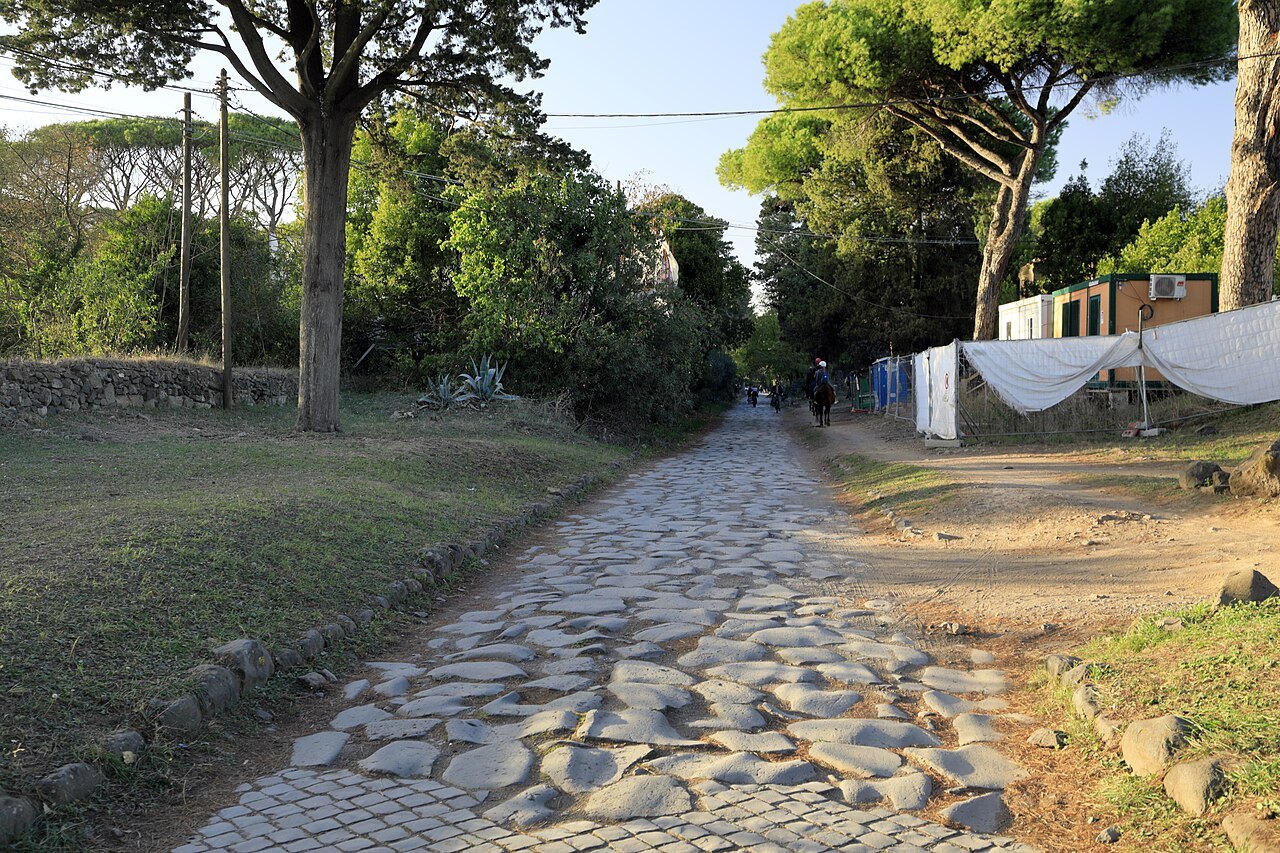
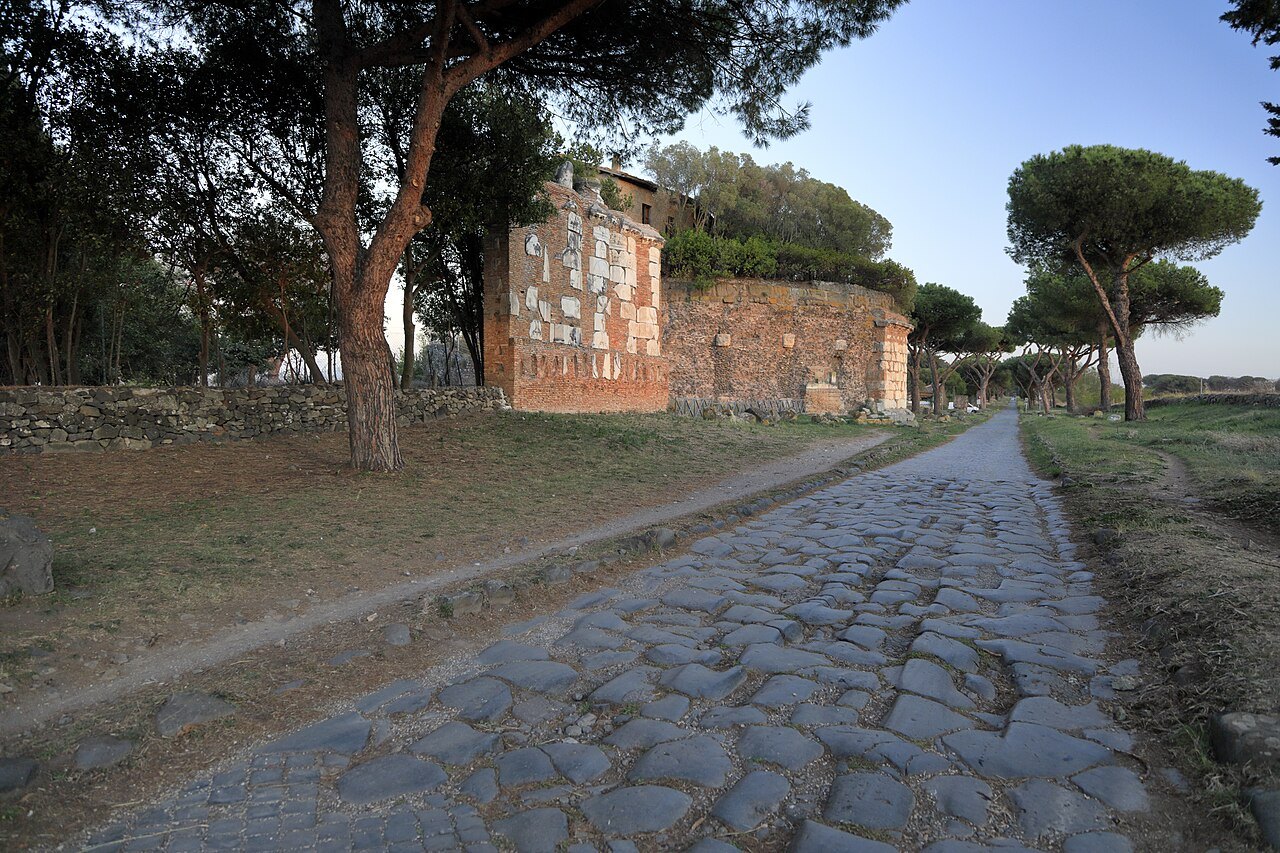
- The Appian Way
Schematic, not to scale. The Roman numerals are the twenty-two rioni at their centers; the brown line is the circuit of walls; the shaded outline west of the river is Vatican City, a separate state, drawn approximately; the dashed line is the walk below; the squares are the sights.
On foot
A walk through the city
West from the amphitheater to the river: along the ancient main street, over the hill of the temples, through the squares in the bend of the Tiber, and across to Hadrian's tomb. Six stops, five rioni.
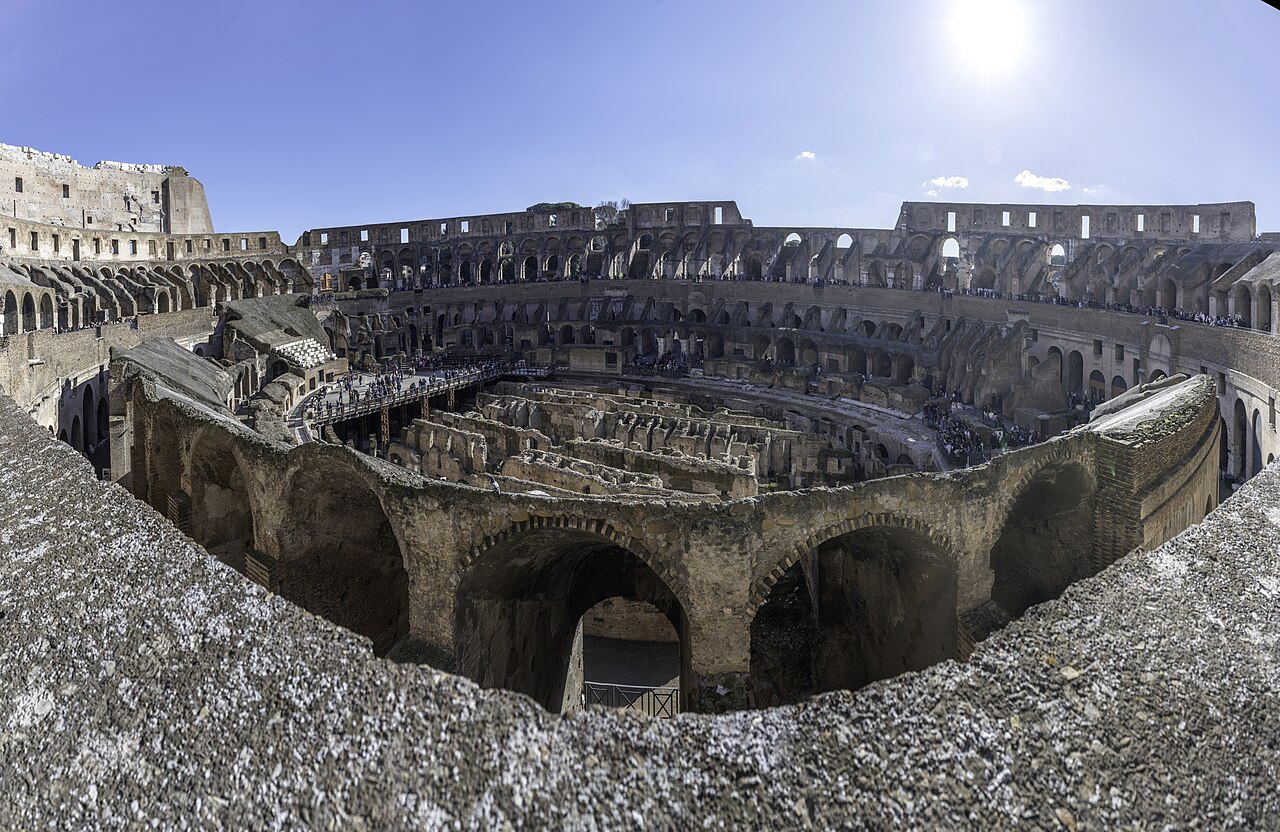
The Colosseum from an upper level: the arena floor partly rebuilt over the brick walls of the undergroundWilfredor, Wikimedia Commons, CC0 Rione XIXThe amphitheater
Start at the Colosseum, begun under Vespasian in 72 and finished under his son Titus in AD 80, the largest amphitheater ever built. It held an average audience of some 65,000.
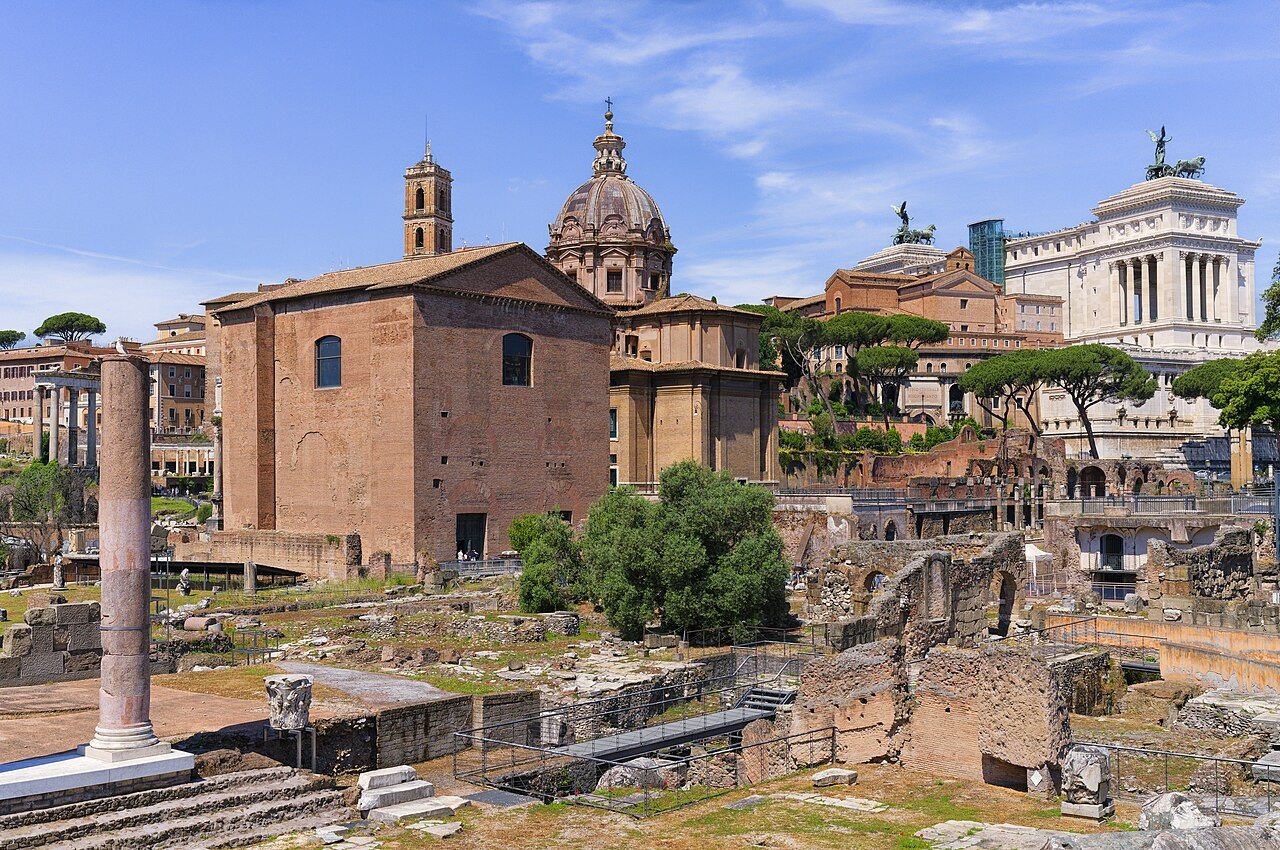
The Roman Forum under a blue sky, with church domes behind and the white Victor Emmanuel Monument on the rightMaksimsokolov, Wikimedia Commons, CC BY-SA 4.0 Rione XThe sacred street
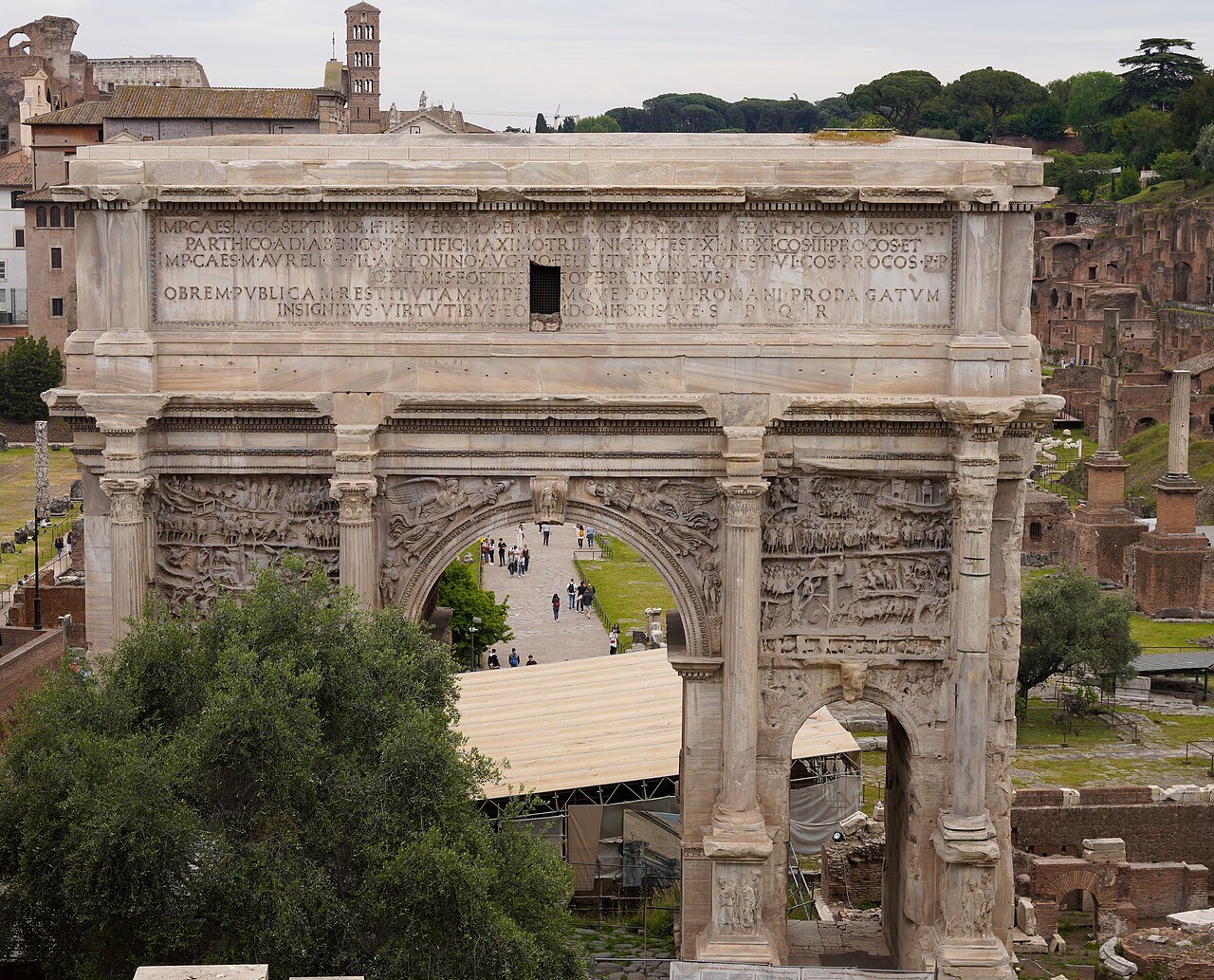
The Via Sacra, the main street of ancient Rome, runs from here under the Arch of Titus and through the Roman Forum, in the valley between the Palatine and Capitoline hills — for centuries the center of the city's daily life.
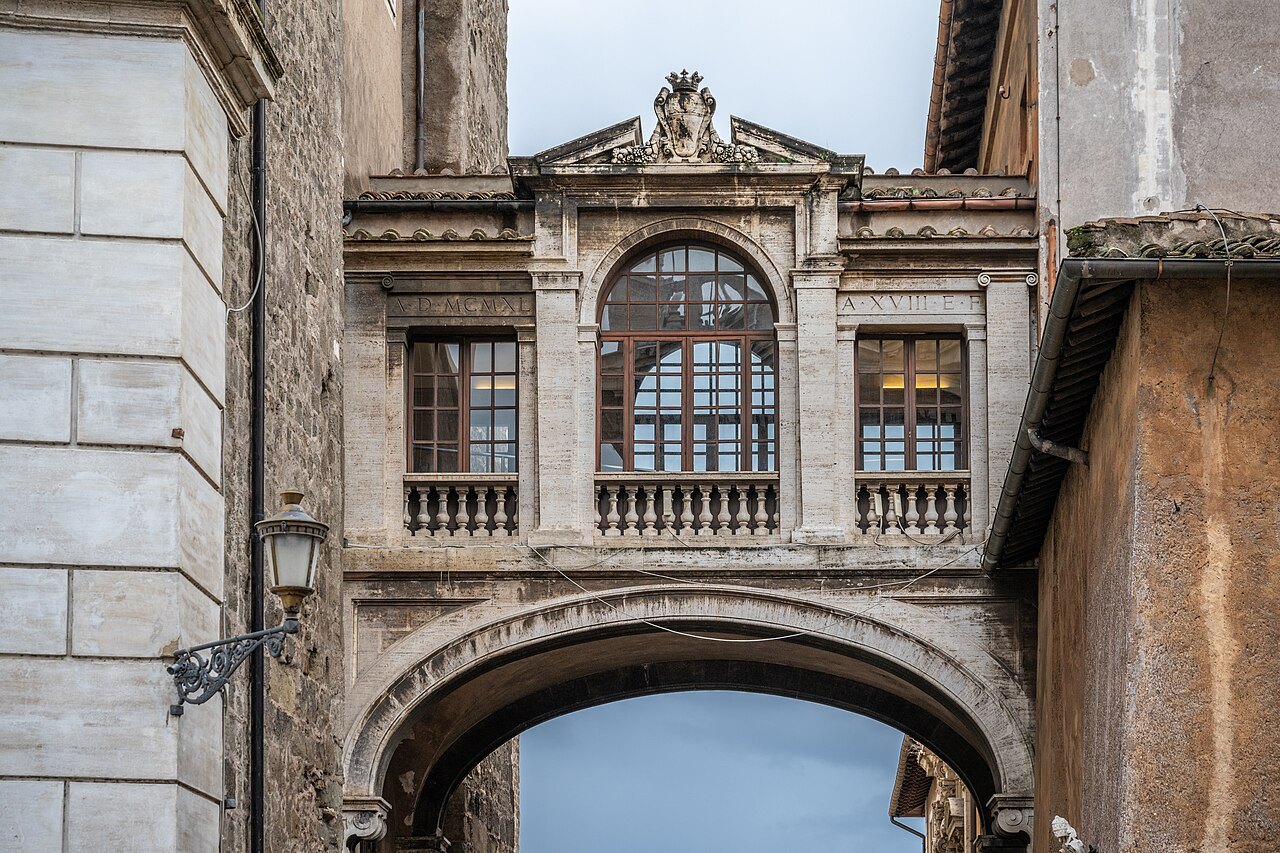
An enclosed bridge with a window and balcony spanning a narrow street near the CapitolineWilfredor, Wikimedia Commons, CC0 Rione XThe hill of the temples
The street climbs to the Capitoline Hill, where Pope Paul III had Michelangelo lay out the square between the palaces that now hold the Capitoline Museums.
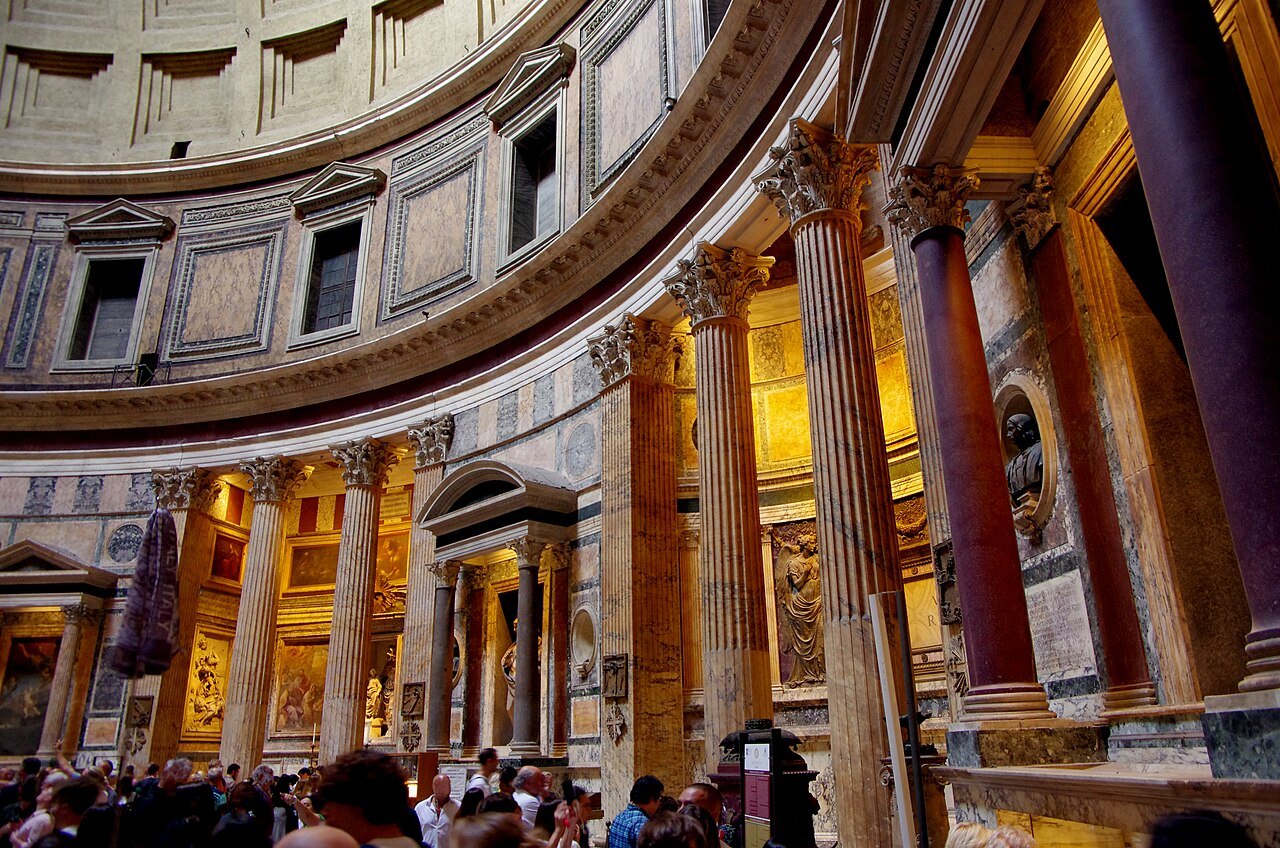
Inside the Pantheon: the colored marble columns and niches of the round hall, crowded with visitorsPaolo Villa, Wikimedia Commons, CC BY-SA 4.0 Rione IXThe dome
North into the rione of Pigna and the Pantheon, rebuilt under Hadrian and a church since 609. Its dome is still the largest of unreinforced concrete in the world, and its height to the open oculus equals its width, 142 feet.
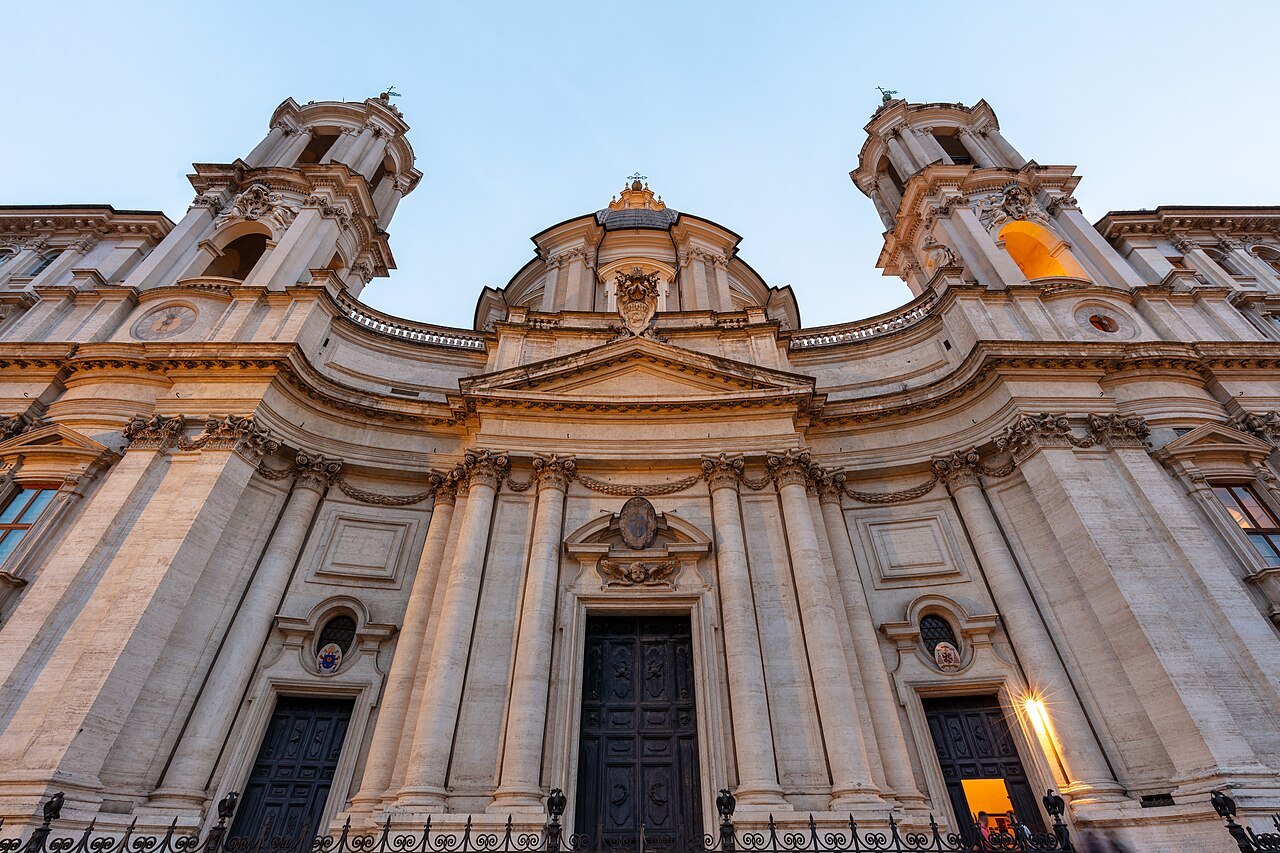
Borromini's church of Sant'Agnese on Piazza Navona, its two bell towers and curved façade seen from belowDiego Delso, Wikimedia Commons, CC BY-SA 4.0 Rione VIThe stadium that became a square
A few streets west, Piazza Navona keeps the long oval of Domitian's stadium. Bernini's Fountain of the Four Rivers stands at its center, facing Borromini's church of Sant'Agnese in Agone.
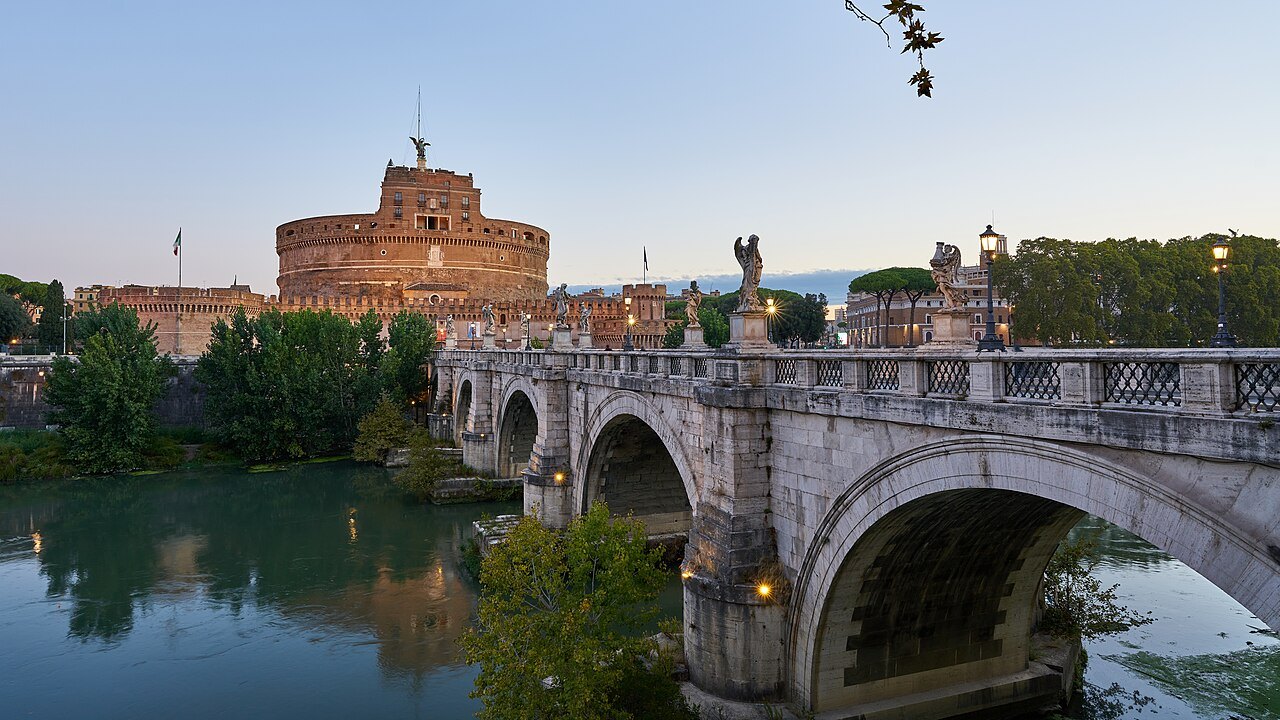
Castel Sant'Angelo across the Tiber in early morning light, with a stone bridge in the foregroundRadek Kucharski from Warsaw, Poland, Wikimedia Commons, CC BY 2.0 Rione XIVThe bridge to the tomb
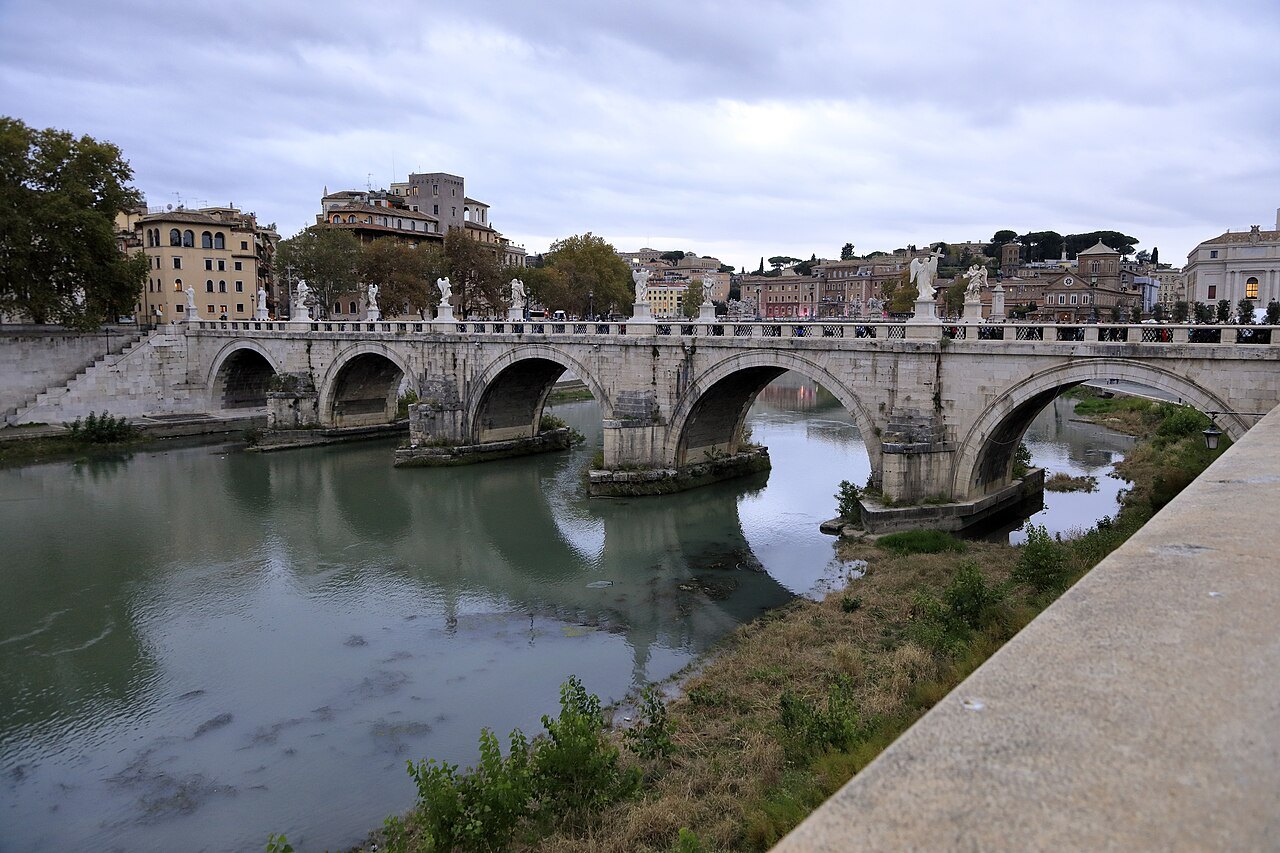
Finish at the river: the Ponte Sant'Angelo, completed by Hadrian in 134, crosses to Castel Sant'Angelo, his mausoleum, later the popes' fortress, a short distance from the Vatican.
Before you go
Three things to know first
- ArrivingTwo airports, one great station.
Fiumicino lies about 22 miles by road from the historic center, and the non-stop Leonardo Express takes about thirty minutes to Termini. Ciampino is to the southeast; Termini is one of the largest stations in Europe.
Getting here → - The streetsTwenty-two rioni, three Metro lines.
The old city is divided into numbered rioni, I Monti to XXII Prati. The Metro has three lines, A, B and C, and seventy-four stations; most of the center is walked.
Getting around → - The calendarHot summers, mild winters.
Summers are hot and dry and winters mild and humid. Snow is rare; the most recent major snowfalls were in 2018, 2012 and 1986.
When to come →
Italy · LazioAbout 2,700,000 peopleItalianEuroAround 753 BC, by traditionTwenty-two rioni since 1921
Eleven parts and a journal
The parts of this guide
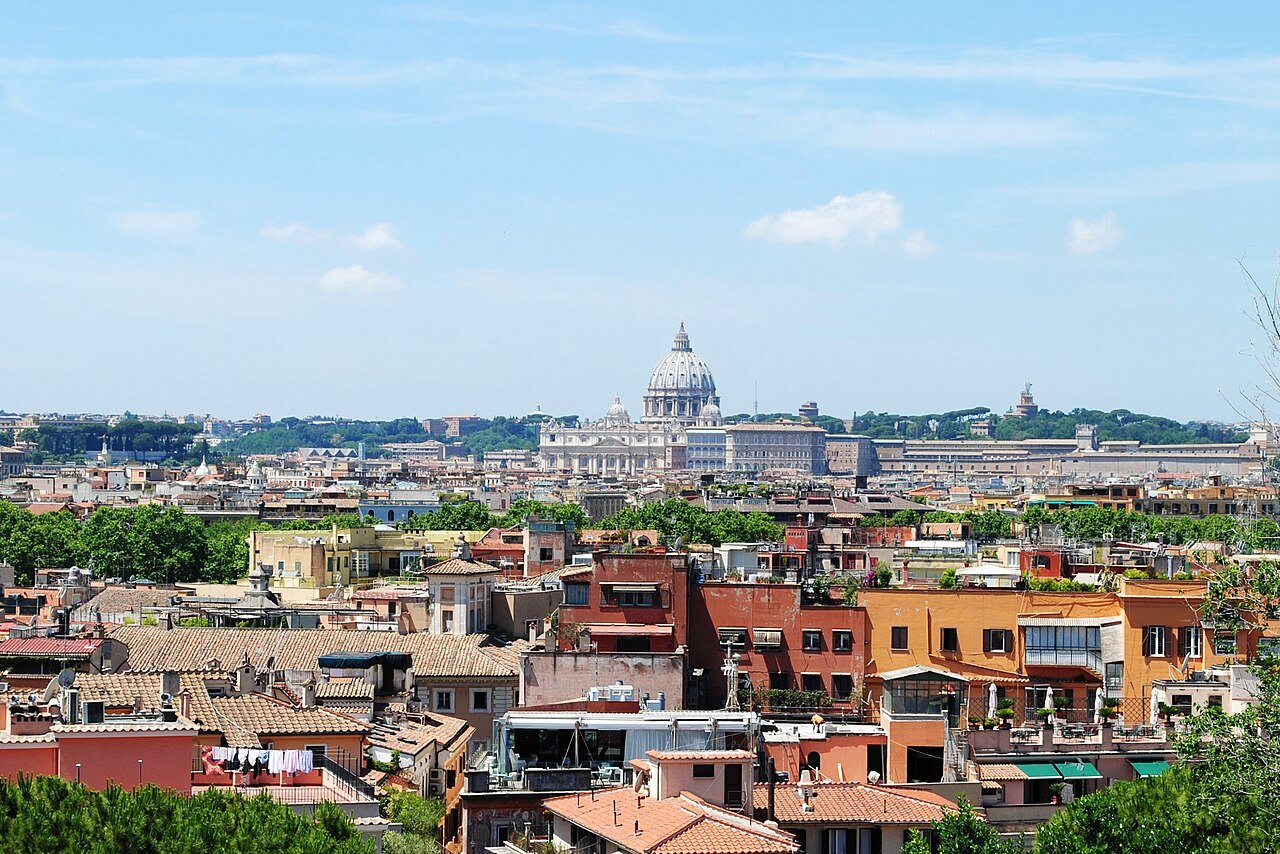 Eighteen places, one page eachThe SightsFrom the Forum to the dome: what each one is, what you see there, and which rione it stands in.
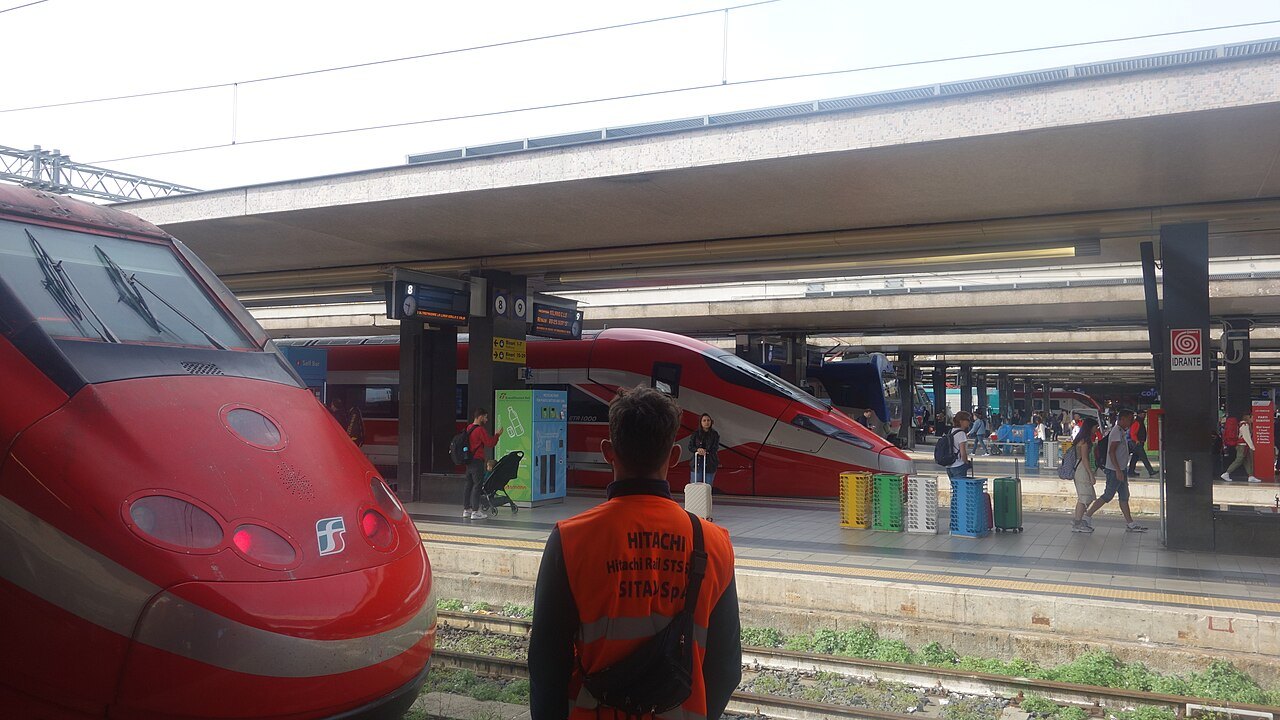 Two airports and a great stationGetting HereFiumicino to the southwest, Ciampino to the southeast, and Termini, one of the largest railway stations in Europe — which to use, and how each reaches the center.
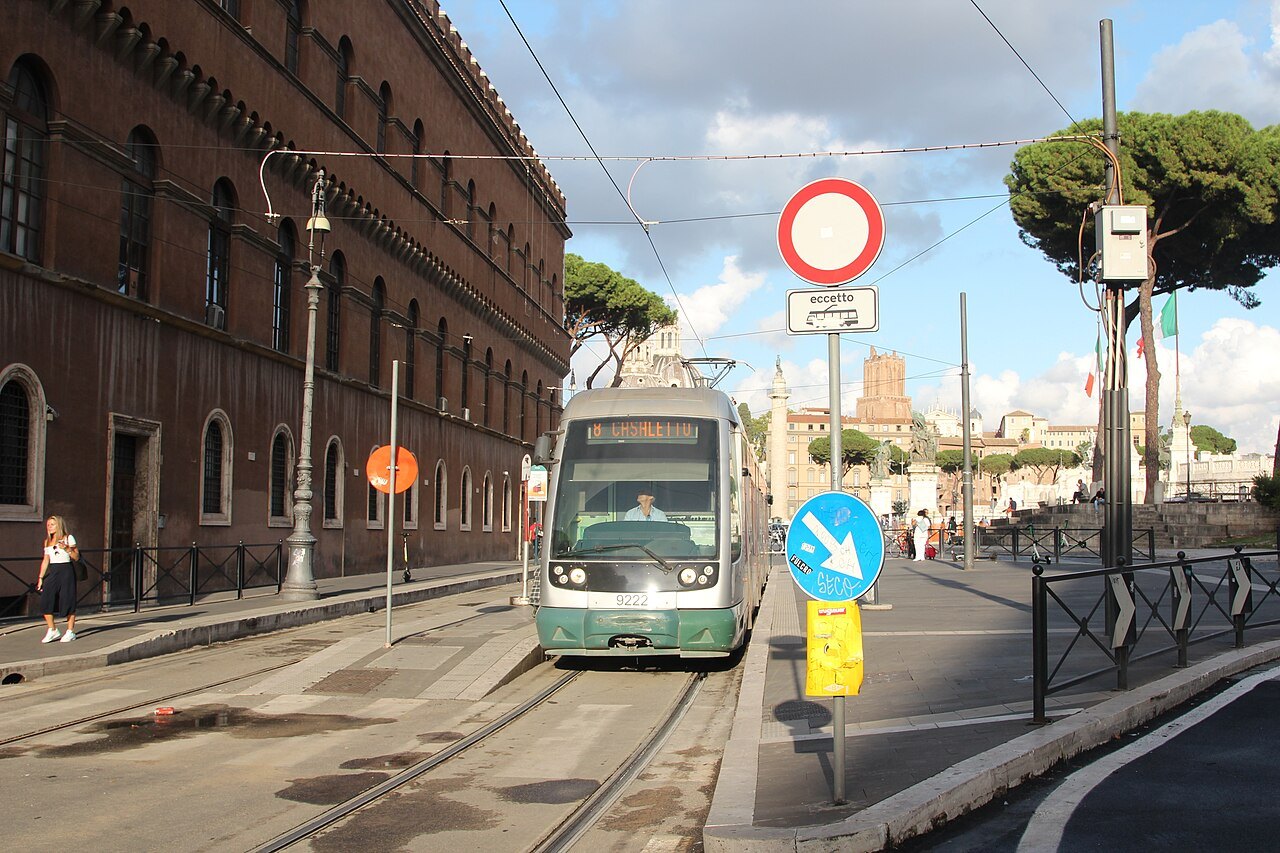 Three Metro lines, the trams and your feetGetting AroundLines A, B and C and their seventy-four stations, six tram lines, the buses, and walking, which is how most of the old city is seen.
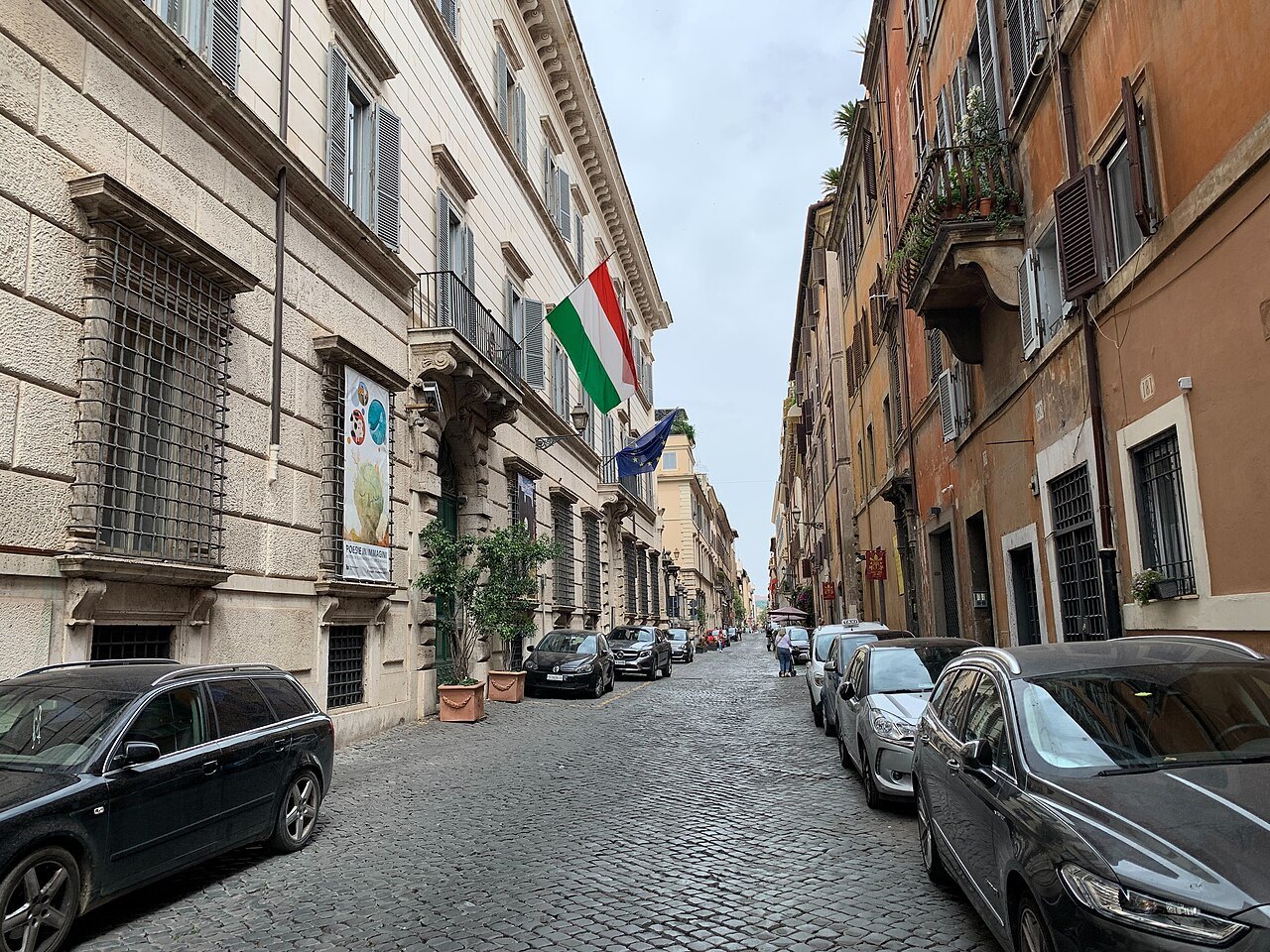 Twenty-two numbered districtsThe RioniMonti is I and Prati is XXII: how the rioni were counted, which one you are in, and what changes between them.
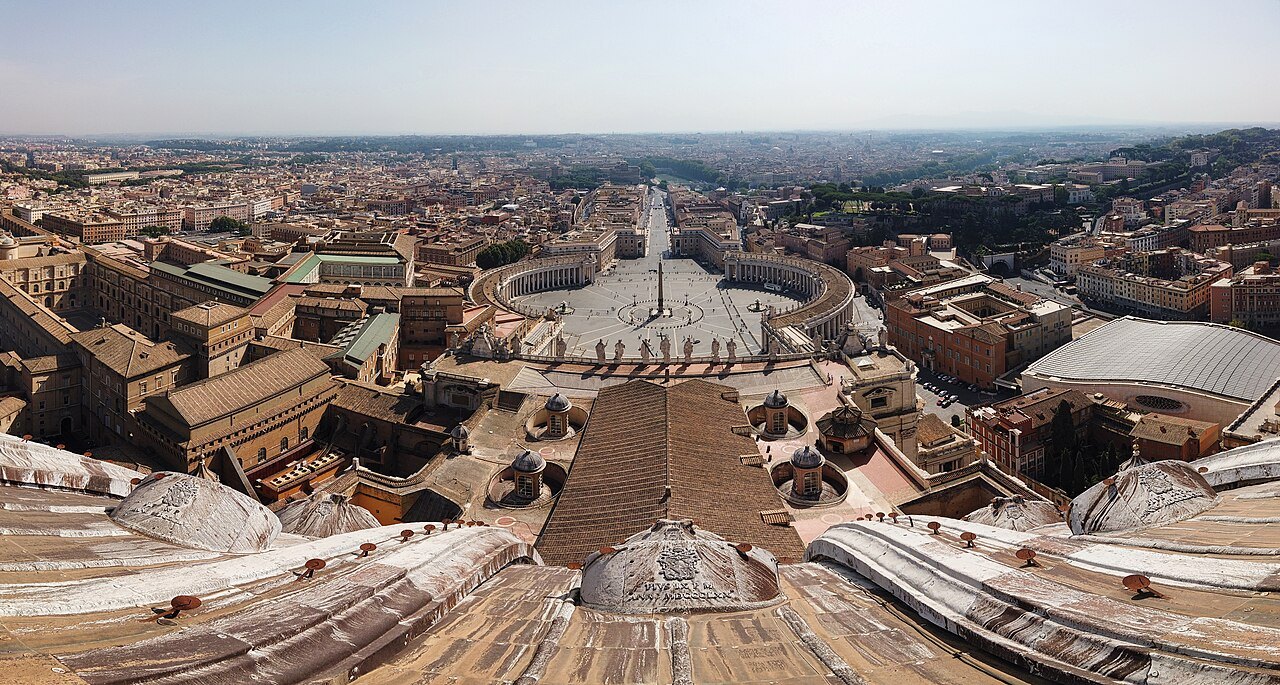 The smallest state in the worldVatican CityAn enclave within Rome since the Lateran Treaty of 1929: 109 acres, St. Peter's and the museums, and what changes when you cross in.
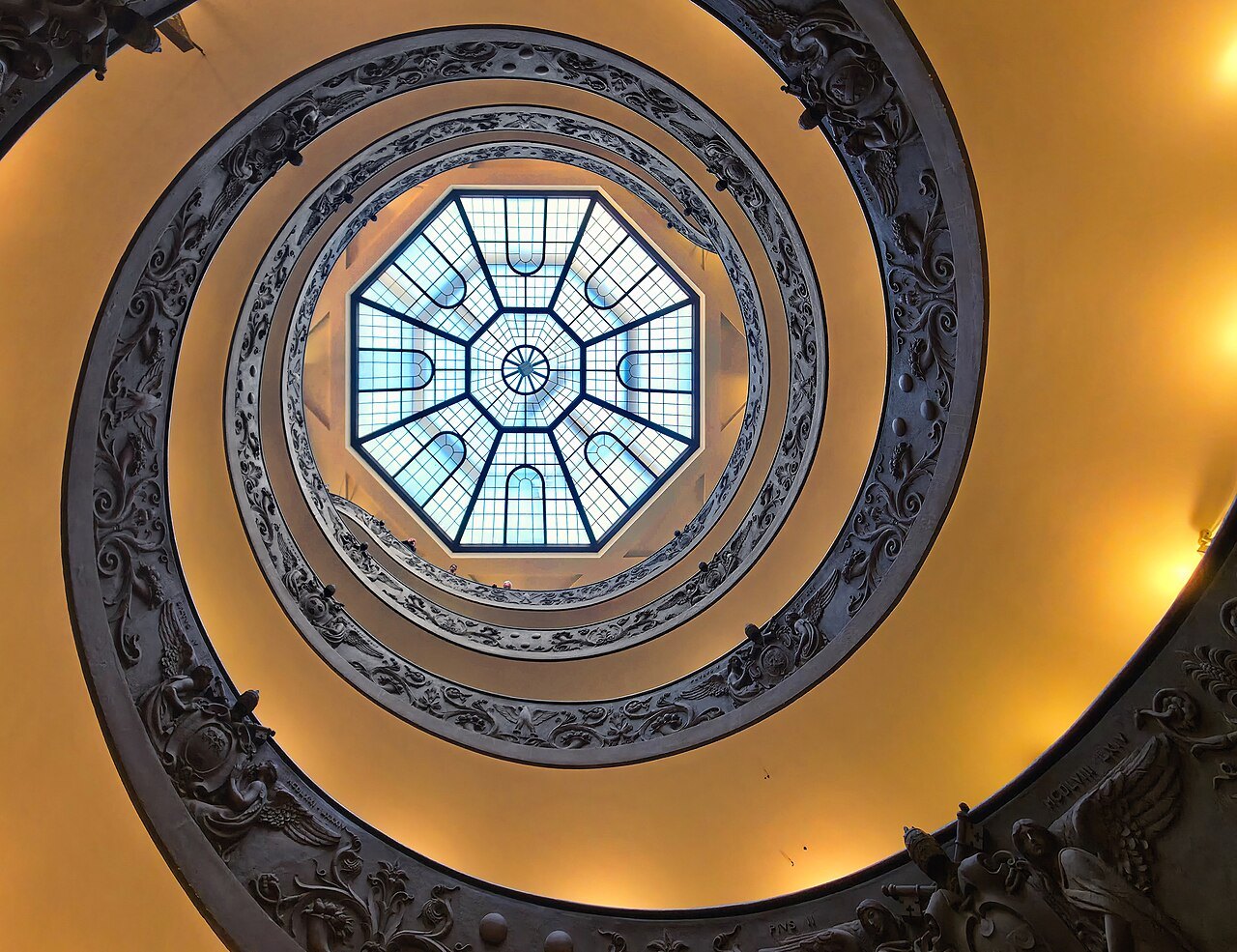 Timed tickets and open doorsBooking AheadWhich sights sell entry by the time slot, which are simply open, and what the monuments' own websites say about bags and dress.
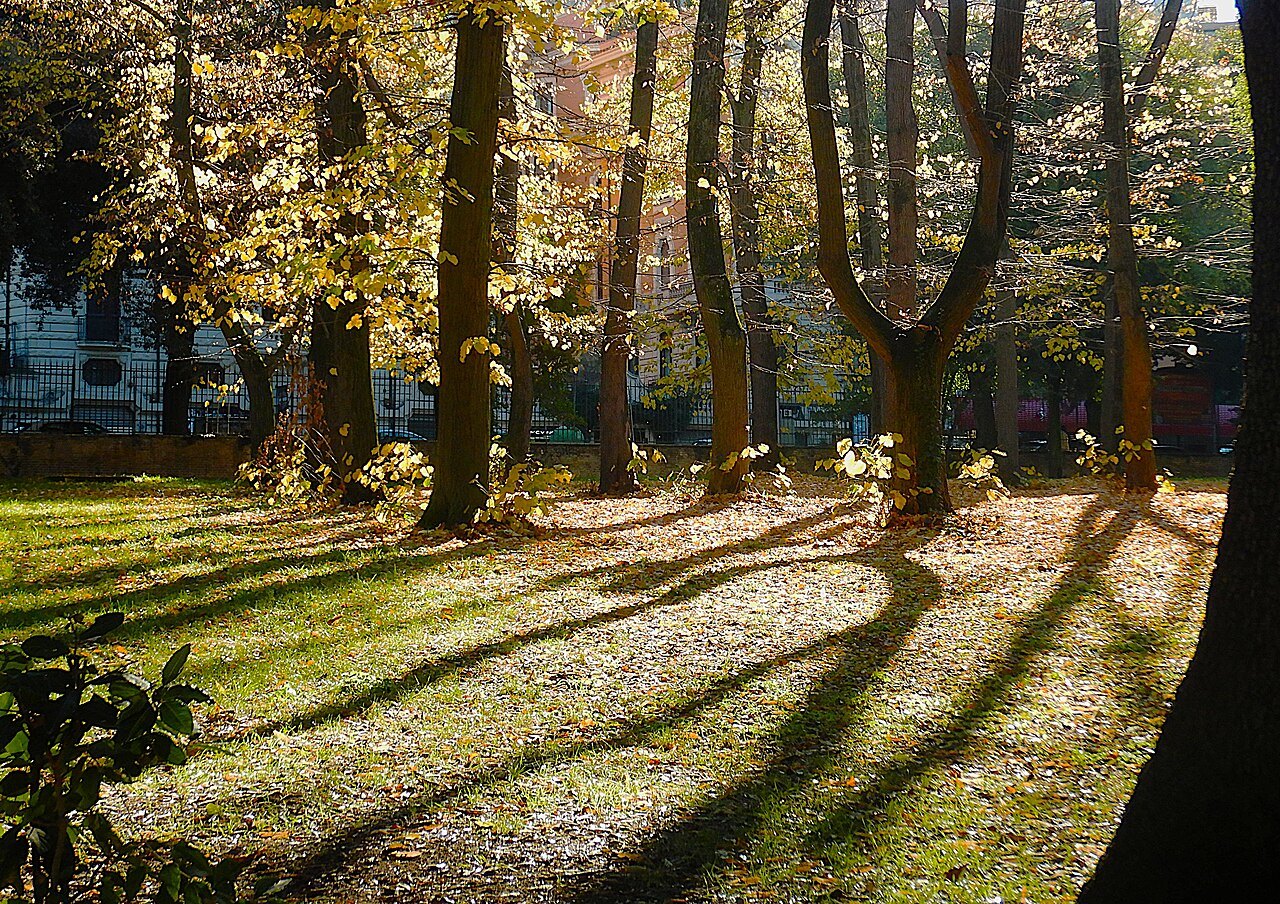 Hot, dry summers and mild, humid wintersWhen to ComeA Mediterranean climate: summers hot and dry, winters mild and damp, snow rare enough that the city remembers the years it fell.
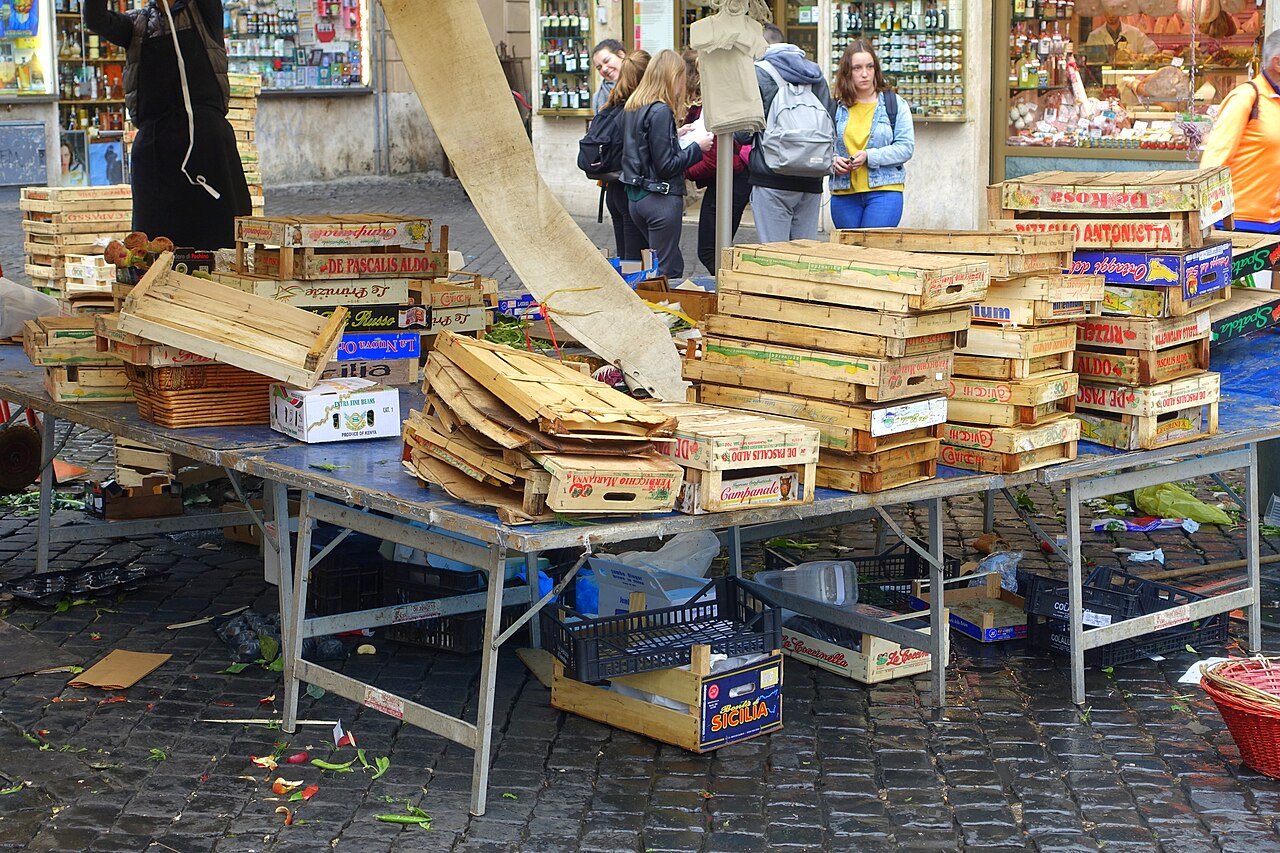 What Rome put on the tableEating & DrinkingCacio e pepe, gricia, carbonara and amatriciana, the Jewish community's artichokes and the quinto quarto — where each comes from and how Rome eats them.
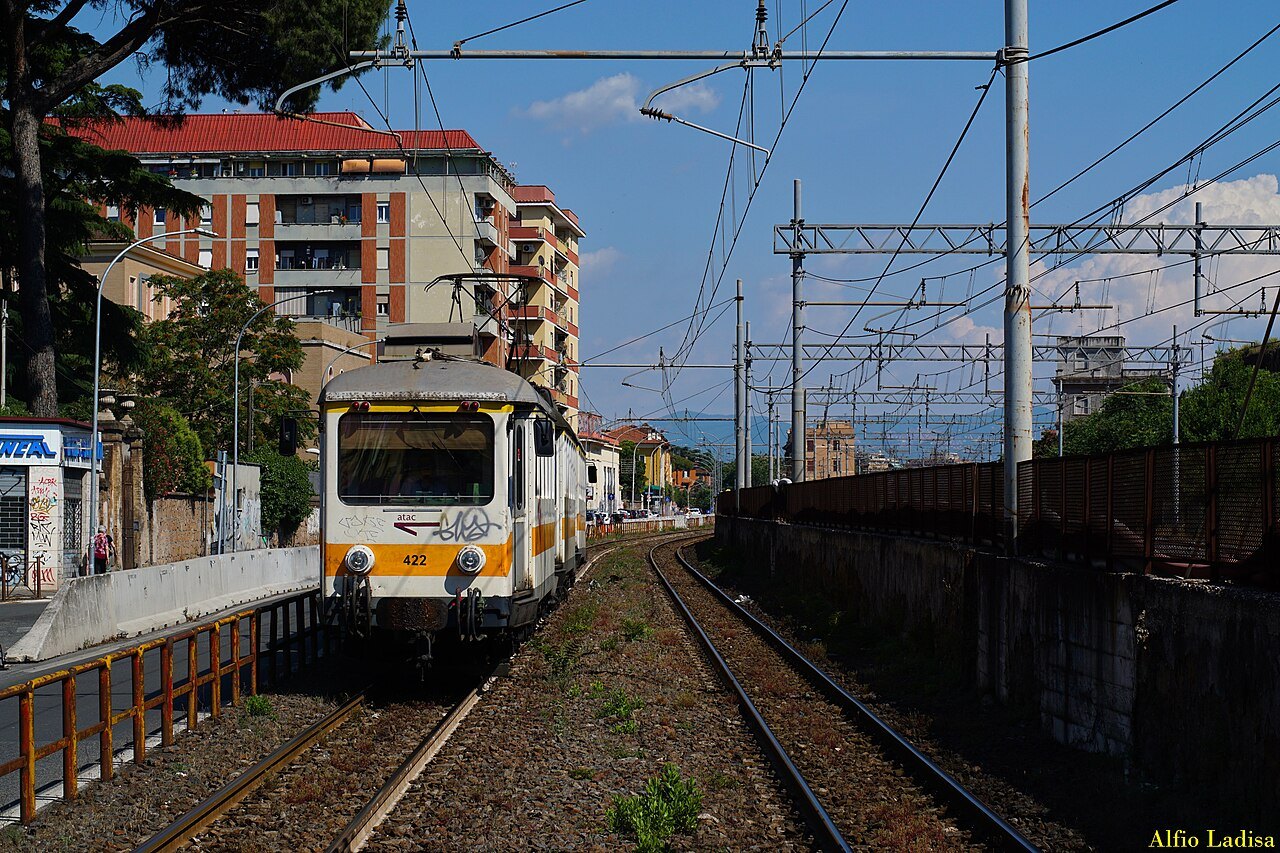 A city of rioniWhere to StayMonti, the squares around the Pantheon and Navona, Trastevere, Prati by the Vatican and the streets near Termini — each for a night or a week.
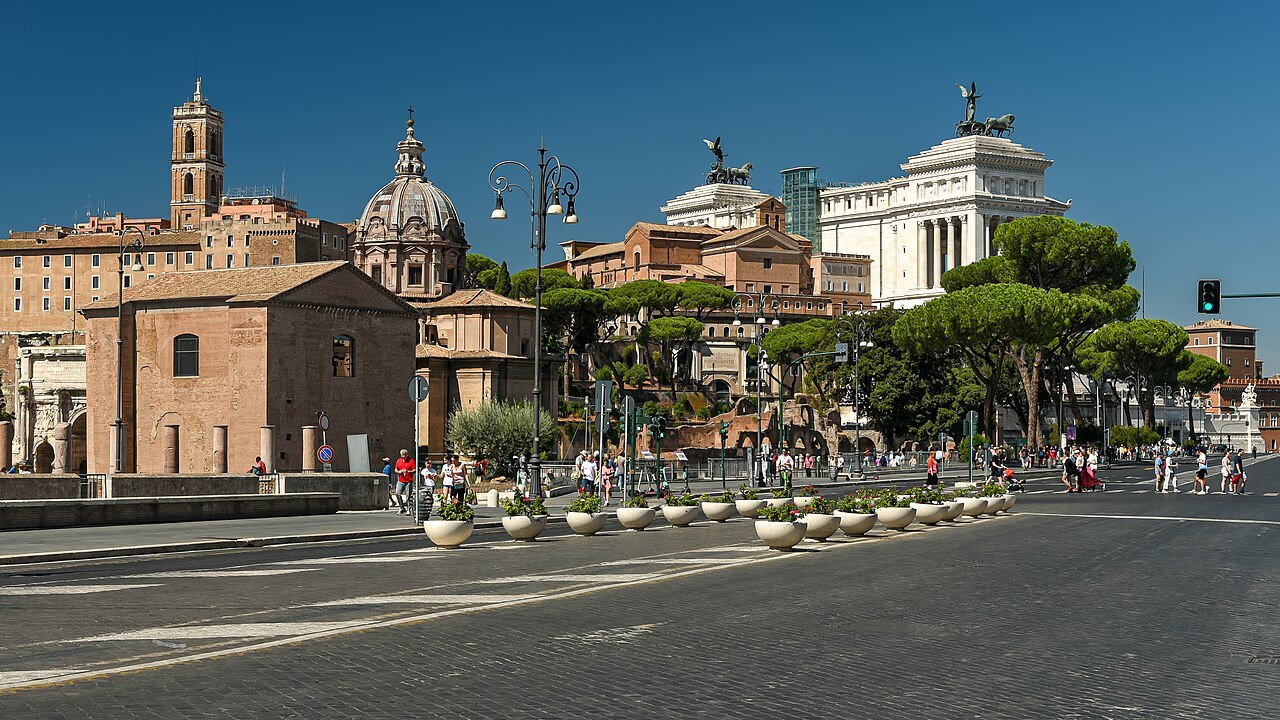 One day, three, fiveItinerariesRoutes by the length of your stay, built around the timed tickets, the Vatican's own calendar, and the walk between them.
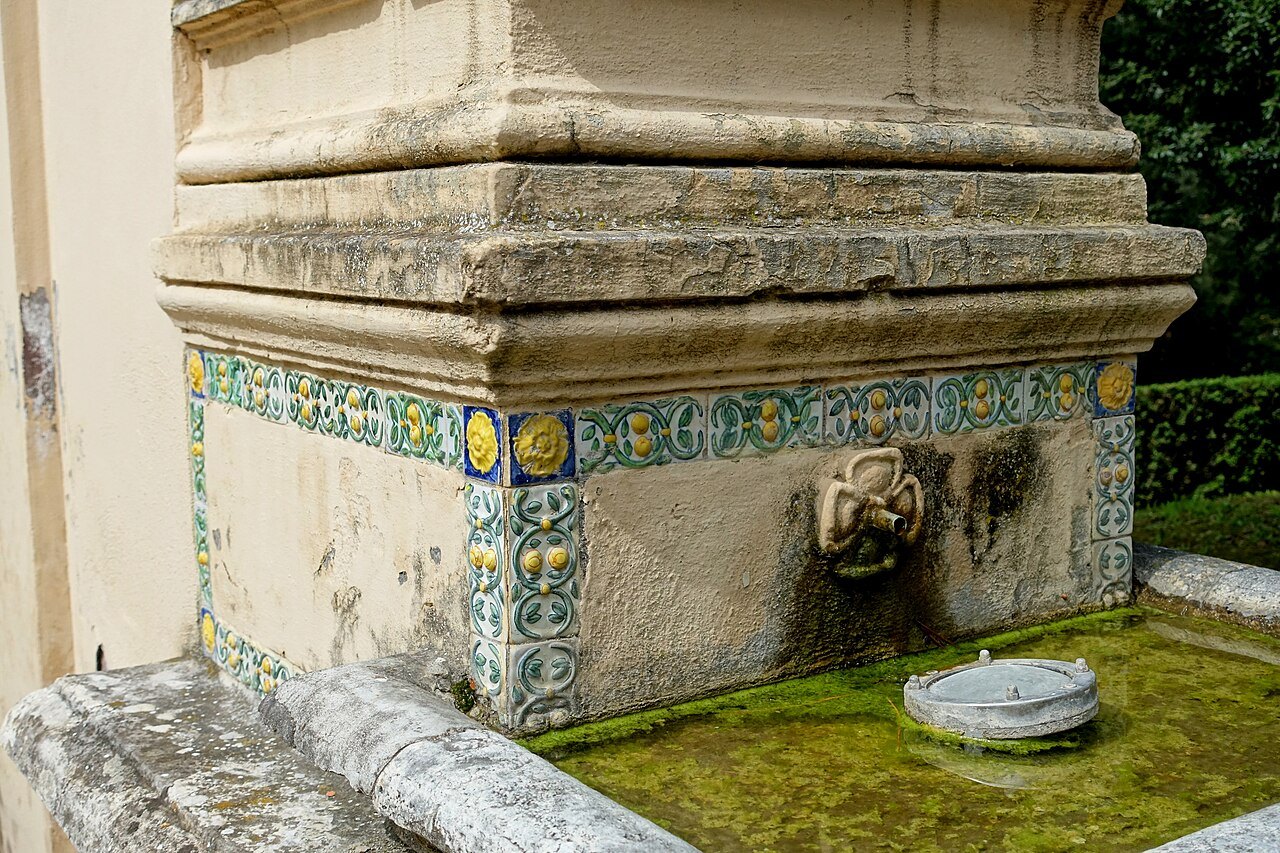 Beyond the ring roadDay TripsOstia Antica, the villas of Tivoli, the Castelli Romani, Orvieto on its rock and the Etruscan tombs of Cerveteri.
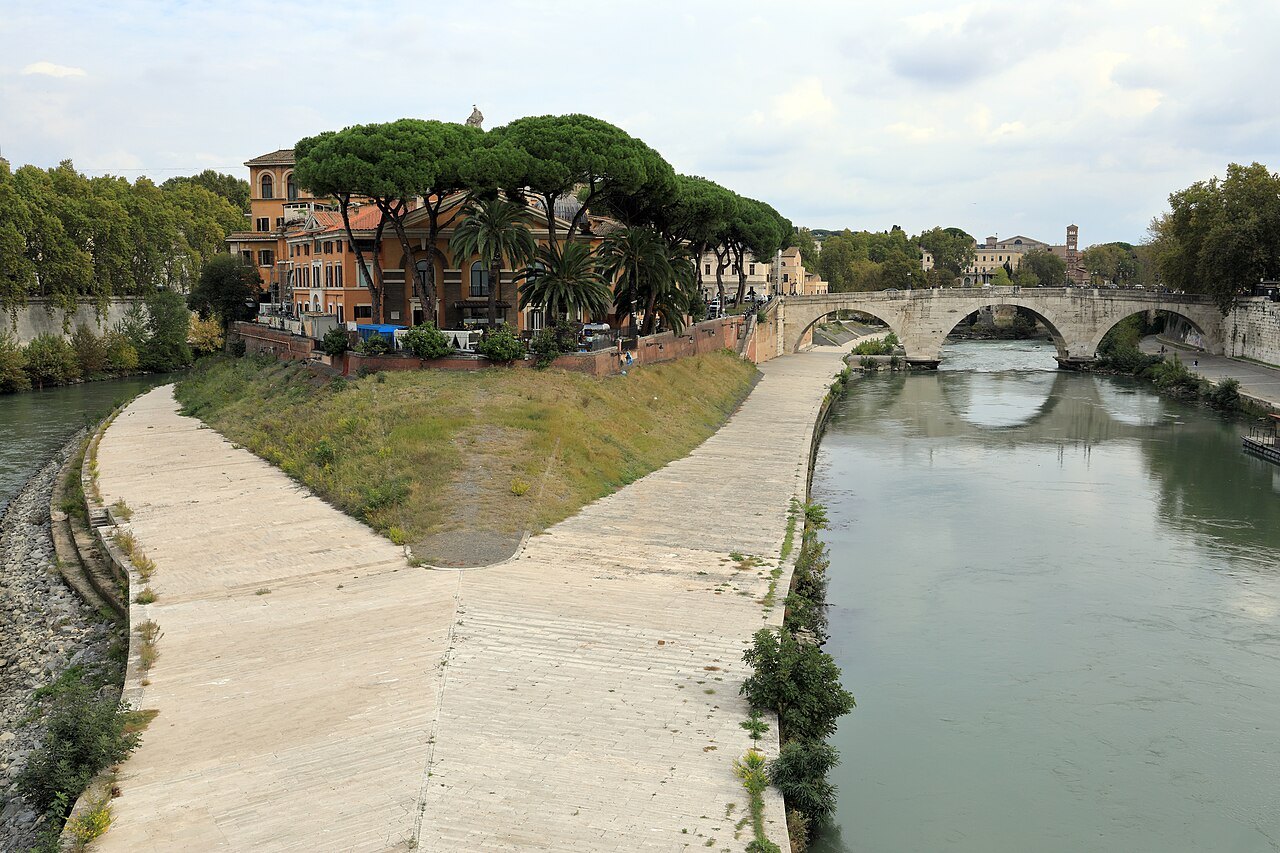 Questions answered at lengthThe JournalVisitor questions about Rome, answered in full, with new pieces as they are written.
By where they stand
All eighteen sights
By where they stand: the ancient heart, the squares in the bend of the river, across the Tiber, the Vatican's own state, the pilgrim basilicas, and beyond the walls.
The ancient heartRioni X, XIX and XXI
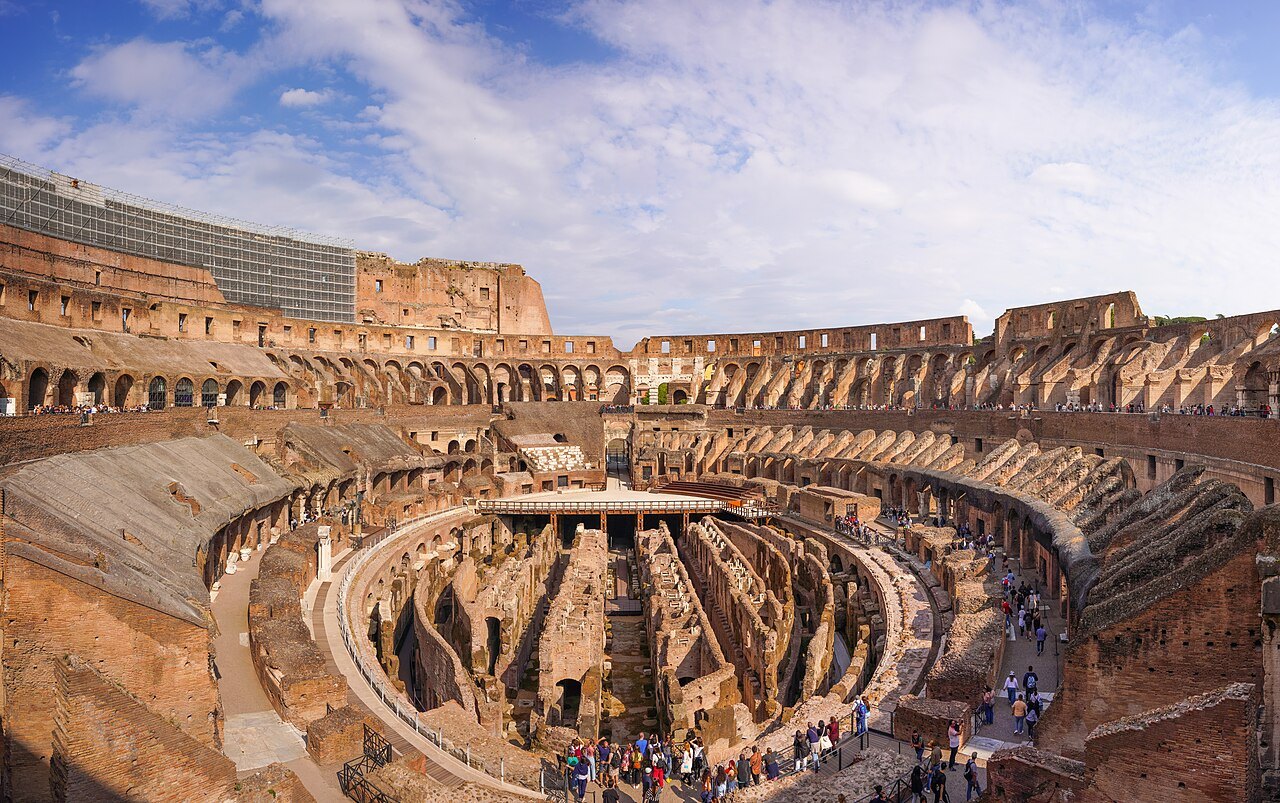 The ColosseumXIX · CelioBegun under Vespasian in 72 and finished under Titus in AD 80, the largest amphitheater ever built.
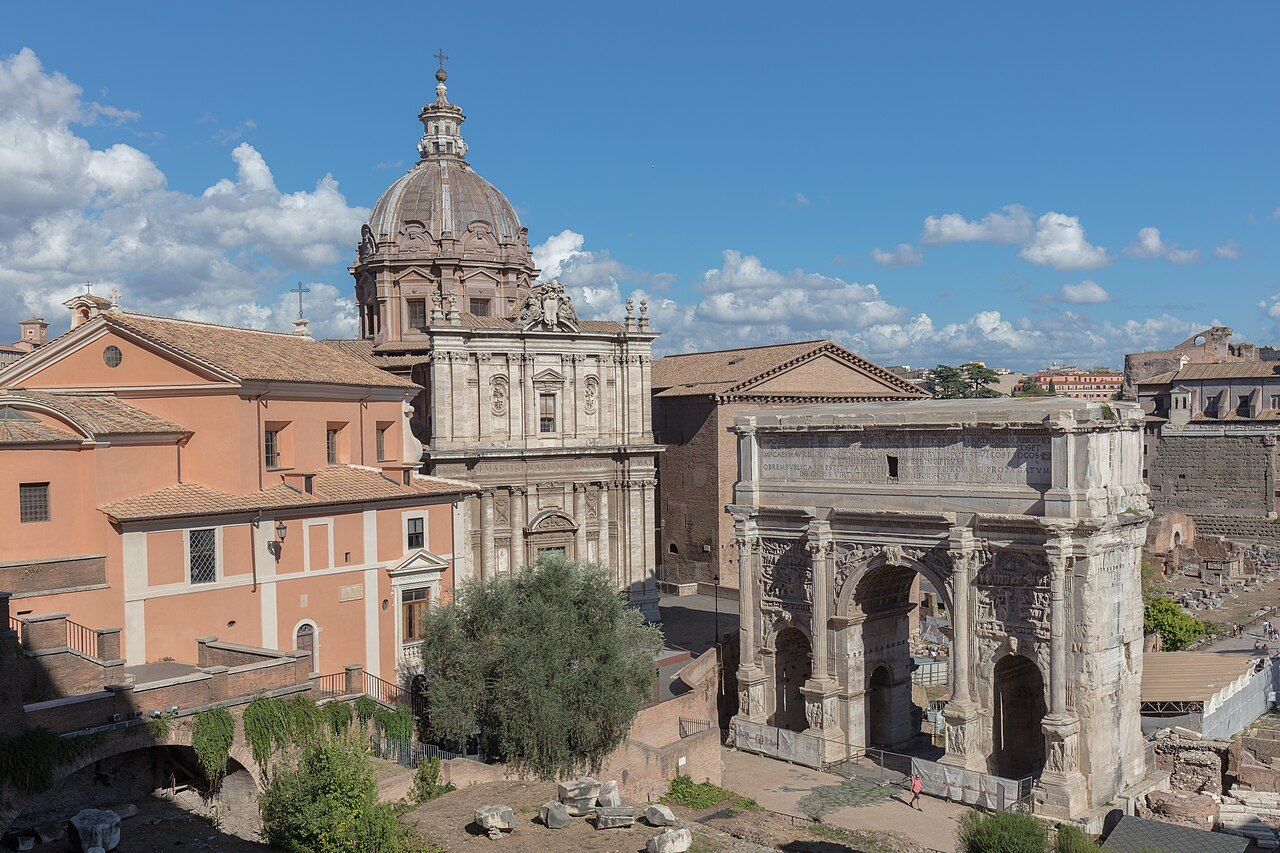 The Roman ForumX · CampitelliThe heart of the ancient city, in the valley between the Palatine and Capitoline hills, crossed by the Via Sacra.
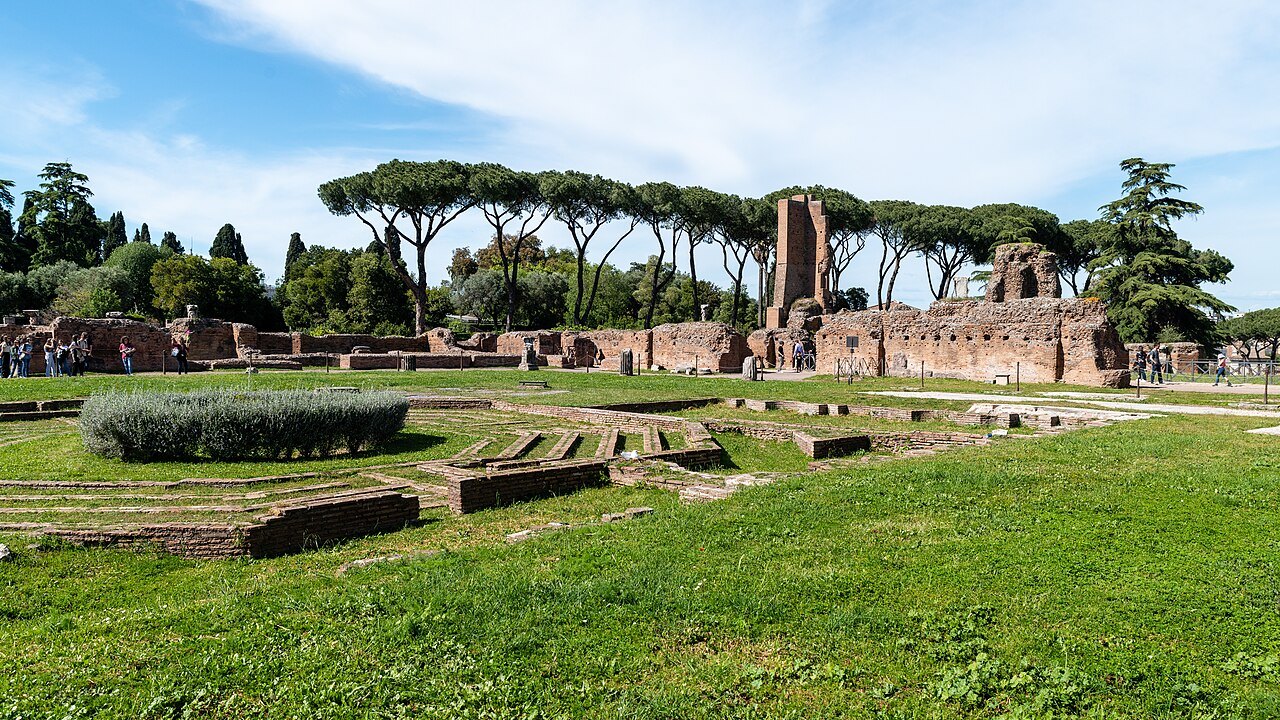 The Palatine Hill and the Circus MaximusX · CampitelliThe centermost of the seven hills, where the emperors built their palaces, starting with Augustus.
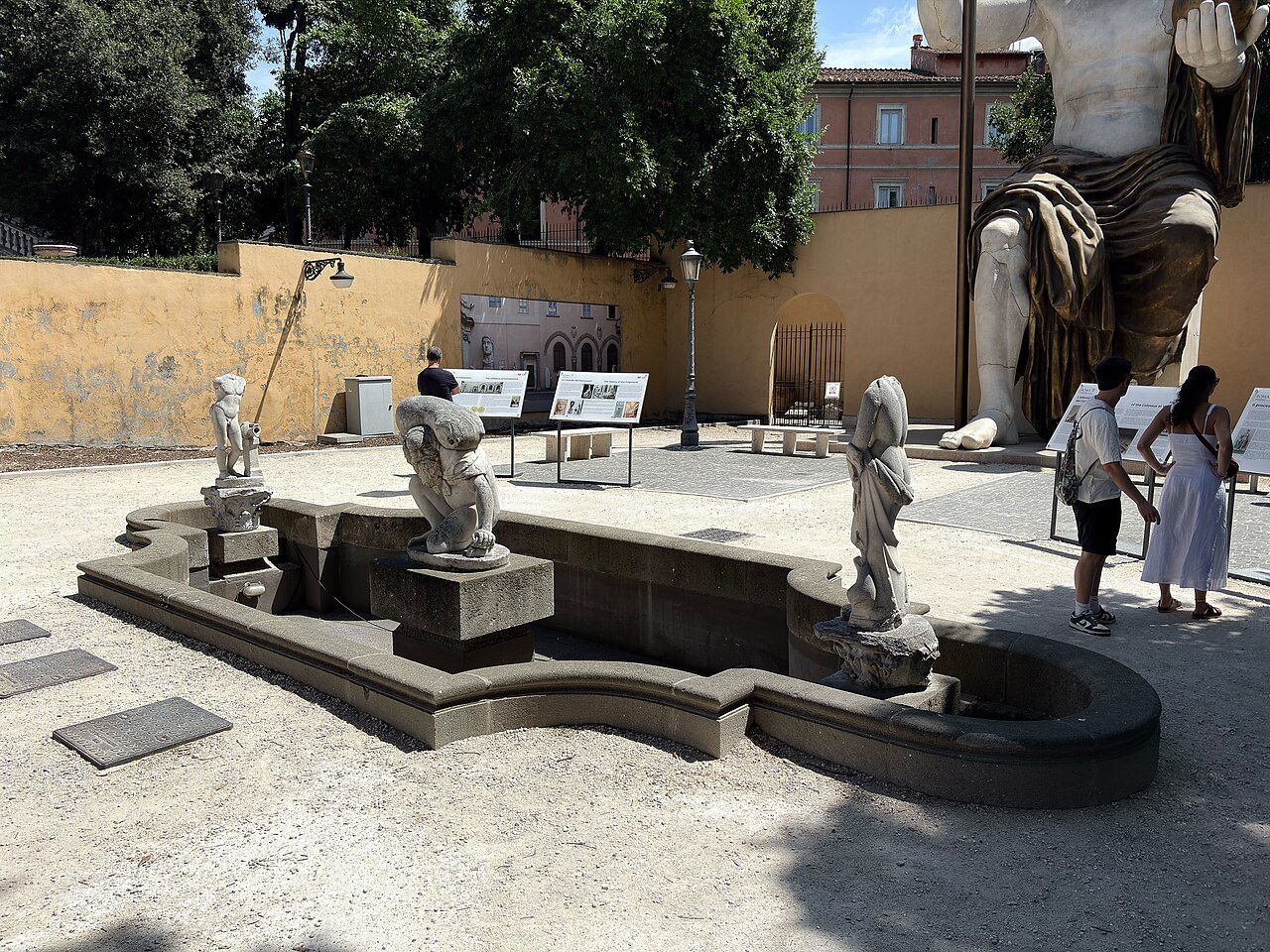 The Capitoline Hill and its MuseumsX · CampitelliTwo palaces facing each other across a hilltop square Michelangelo designed for Pope Paul III.
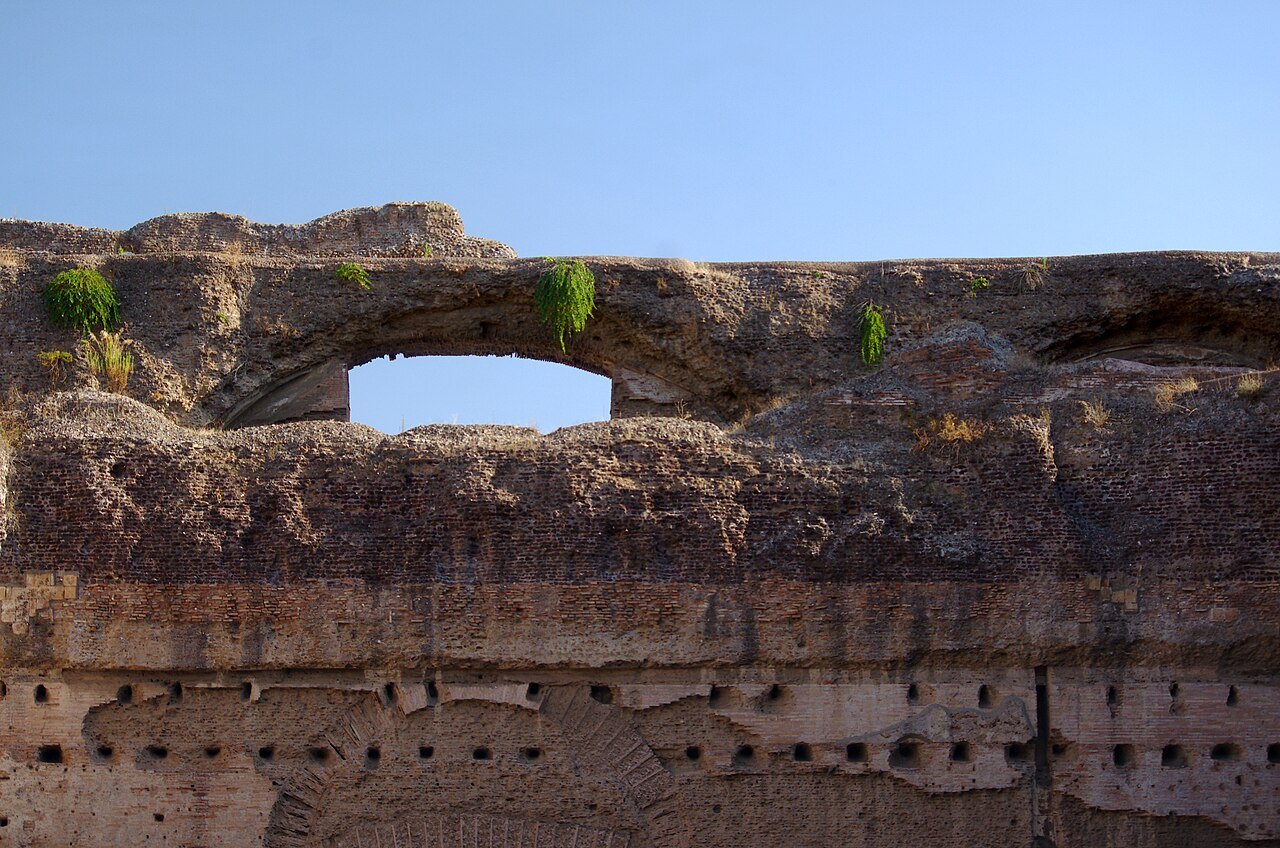 The Baths of CaracallaXXI · San SabaThe city's second-largest public baths, built between AD 212 and 216 and in use until the 530s.
The squares in the bendRioni II, IV, VI and IX
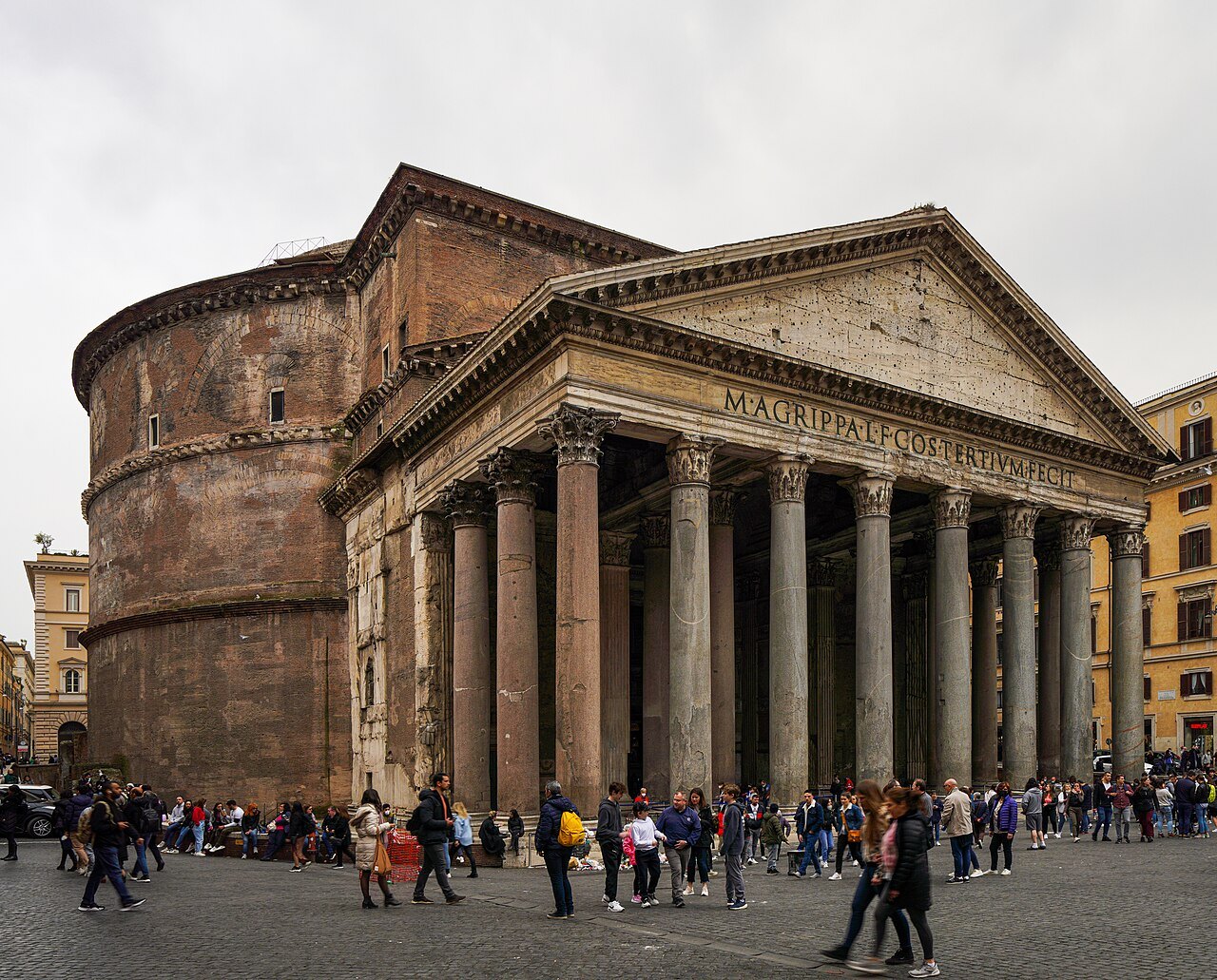 The PantheonIX · PignaRebuilt under Hadrian and a church since 609, under the world's largest unreinforced concrete dome.
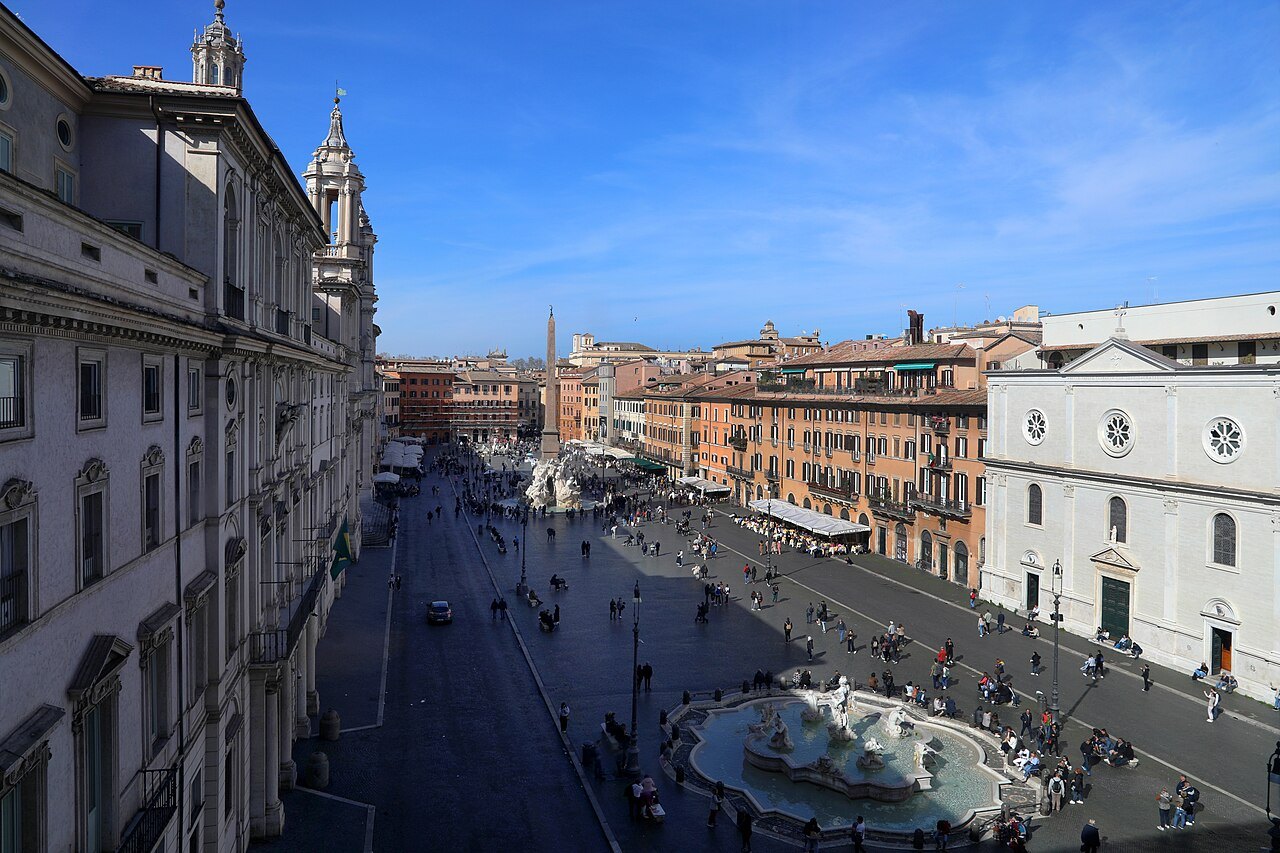 Piazza Navona and Campo de' FioriVI · ParioneAn oval square on the site of Domitian's stadium, with Bernini's Fountain of the Four Rivers of 1651.
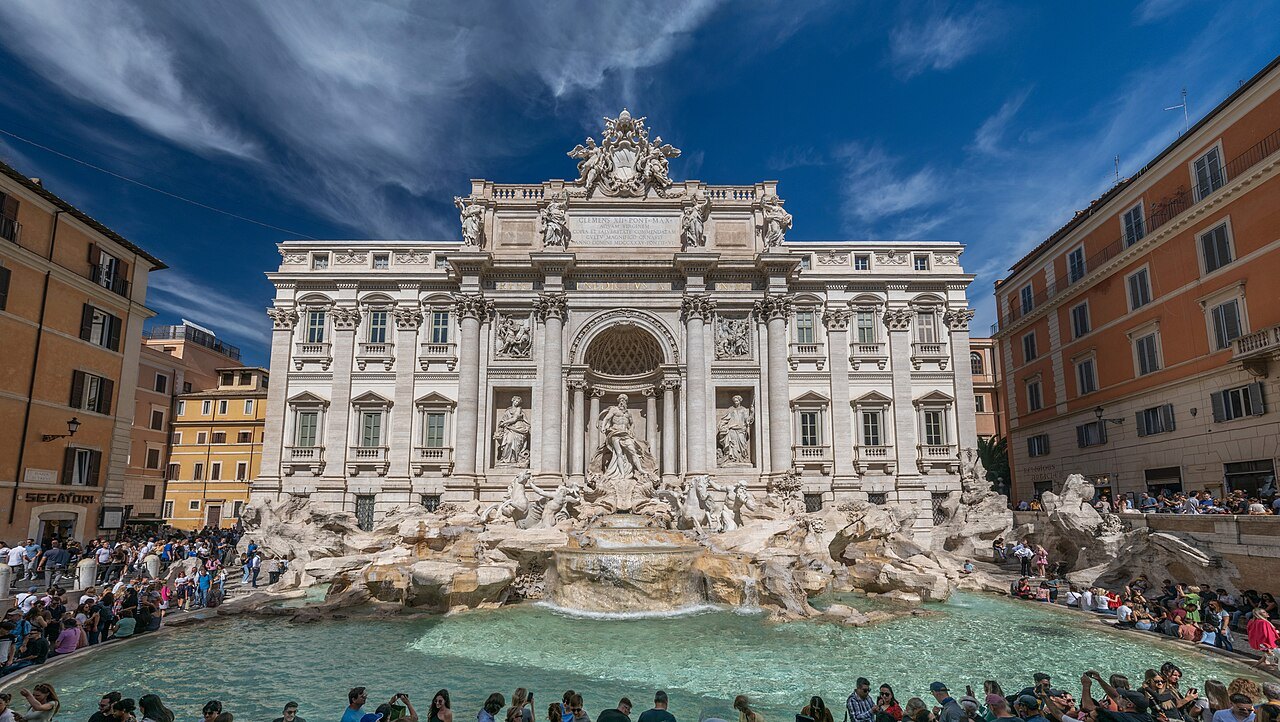 The Trevi FountainII · TreviNicola Salvi's fountain, begun in 1732 and finished in 1762, the largest Baroque fountain in the world.
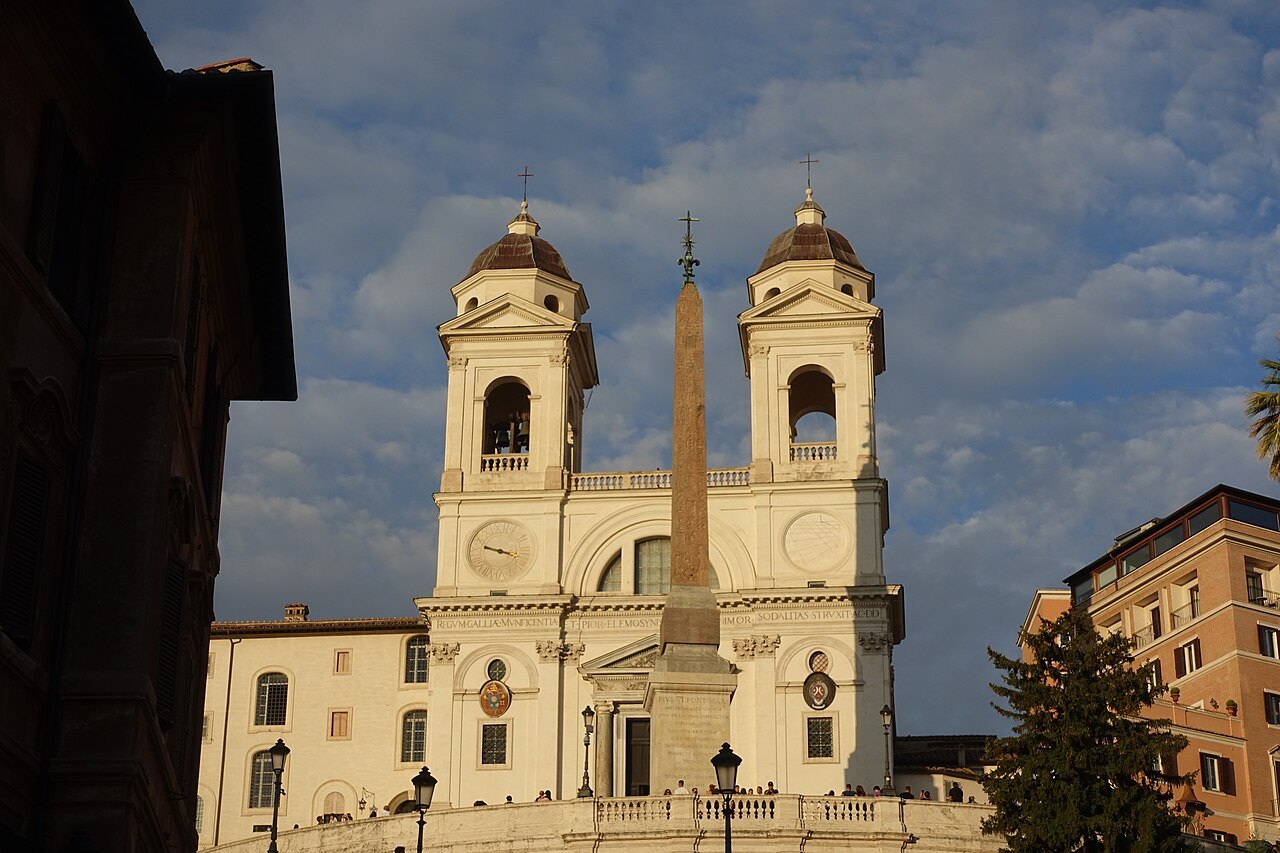
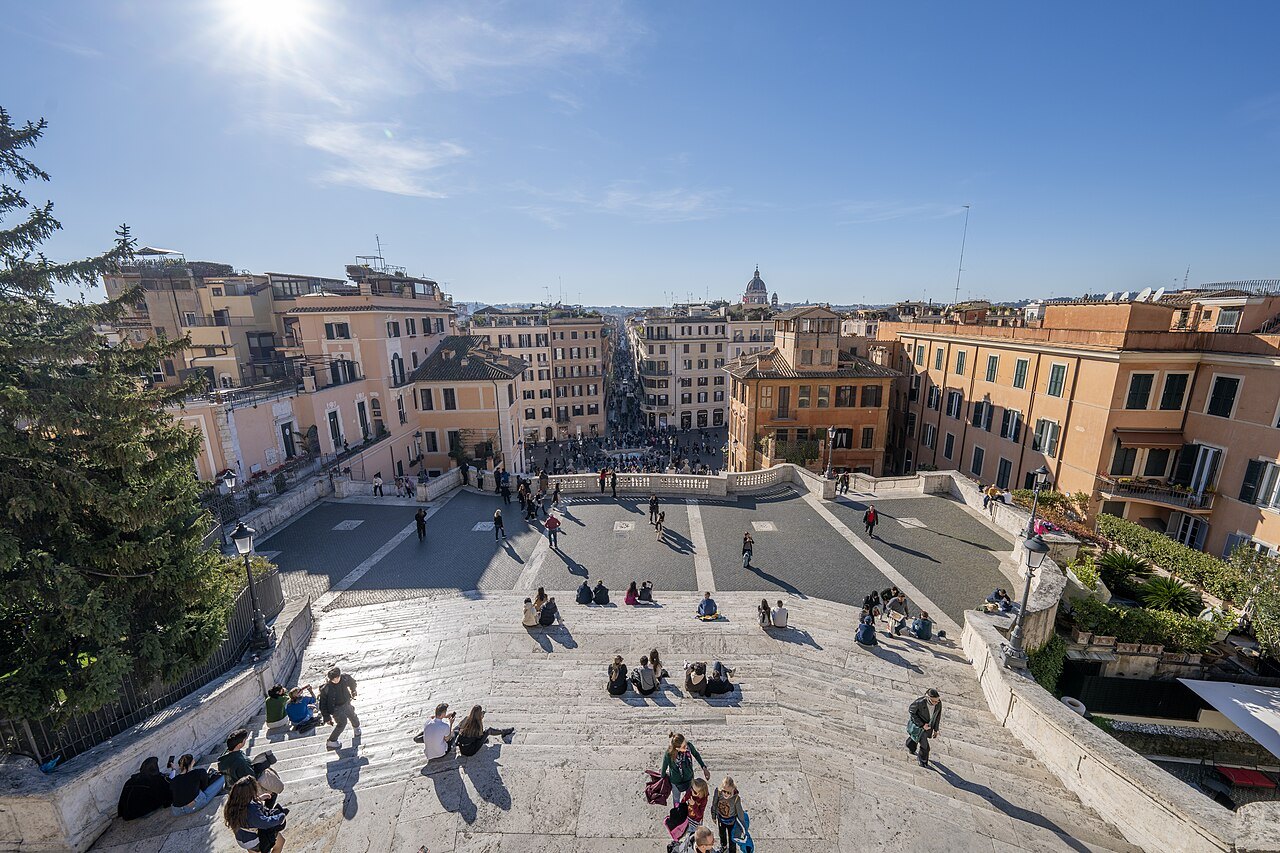 The Spanish StepsIV · Campo MarzioA stairway of 135 steps from the Piazza di Spagna up to the church of Trinità dei Monti.
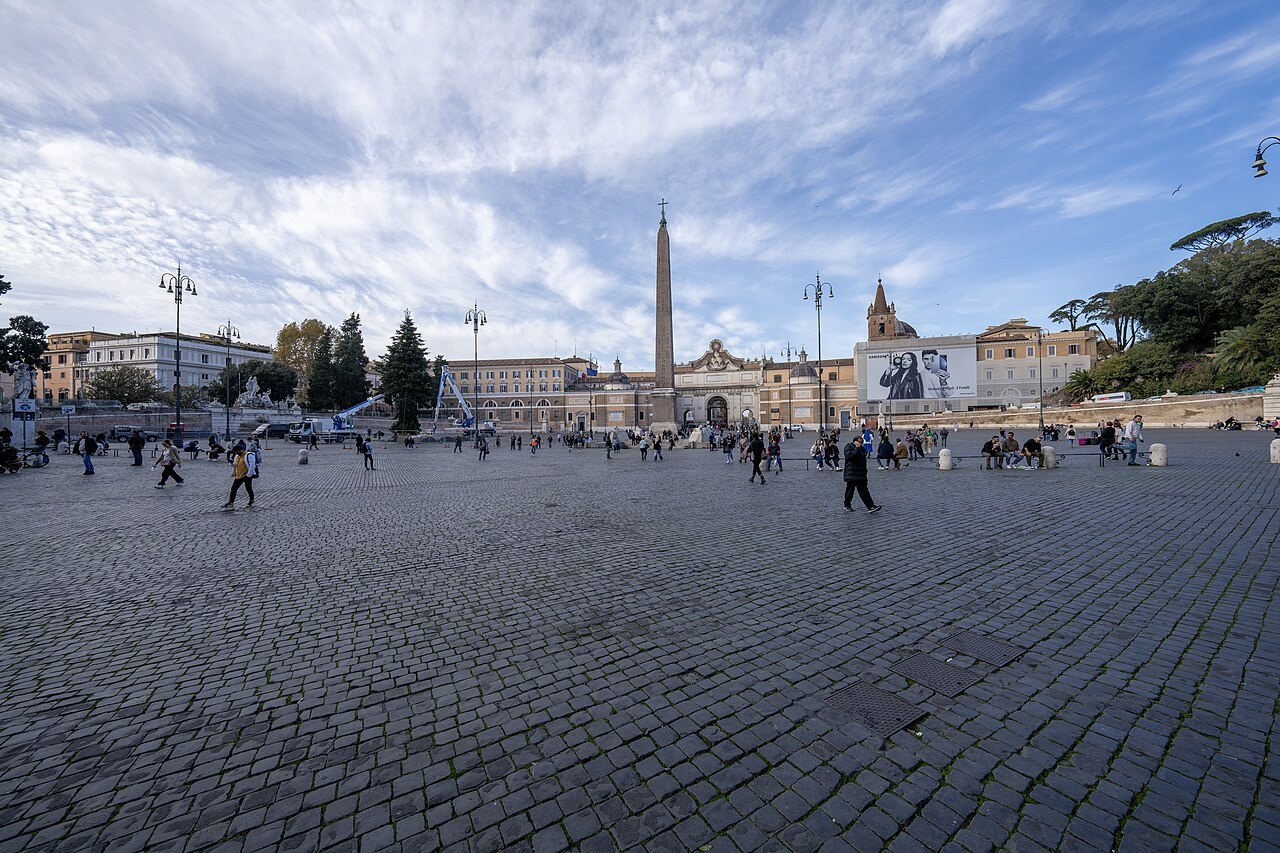 Piazza del Popolo and the PincioIV · Campo MarzioThe square inside the old northern gate, once a traveler's first view of Rome, with an Egyptian obelisk.
Across the TiberRioni XIII and XIV
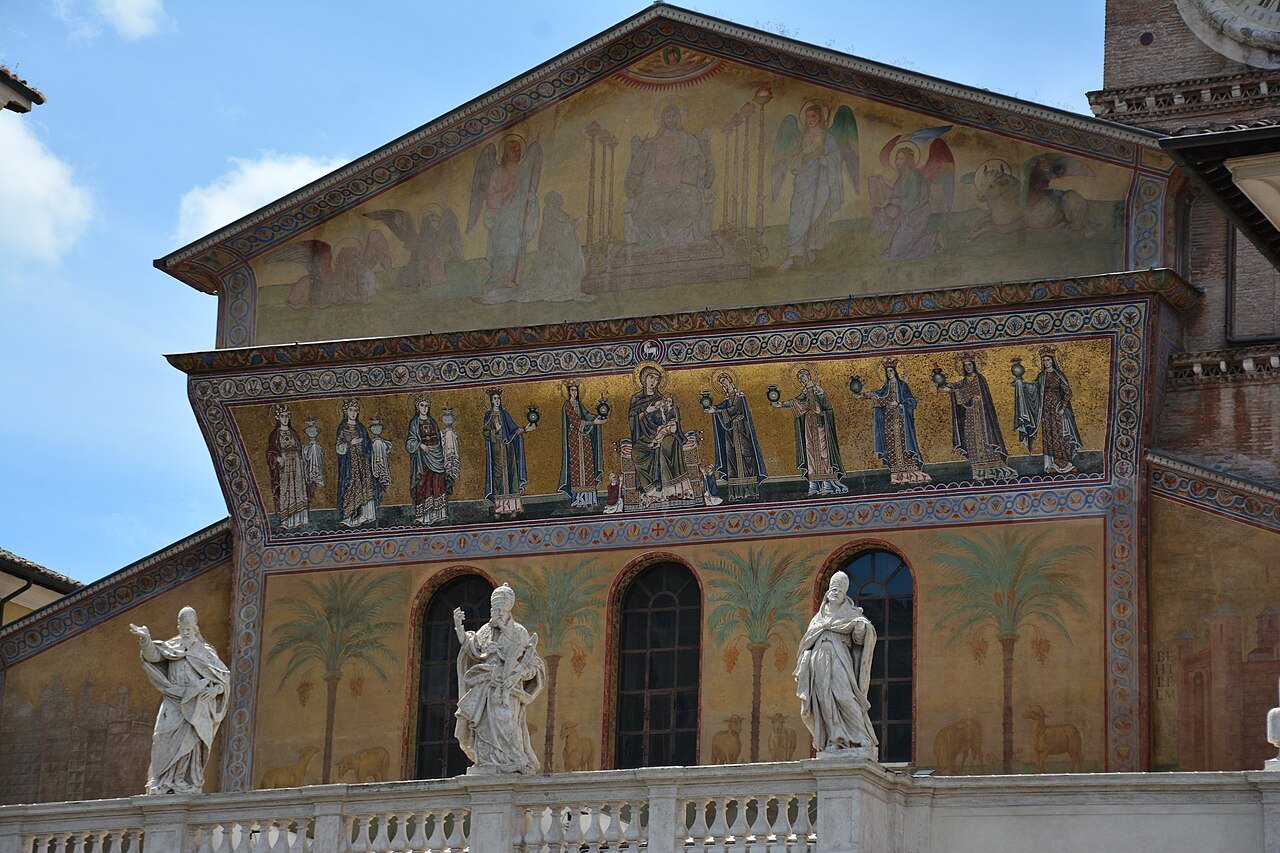
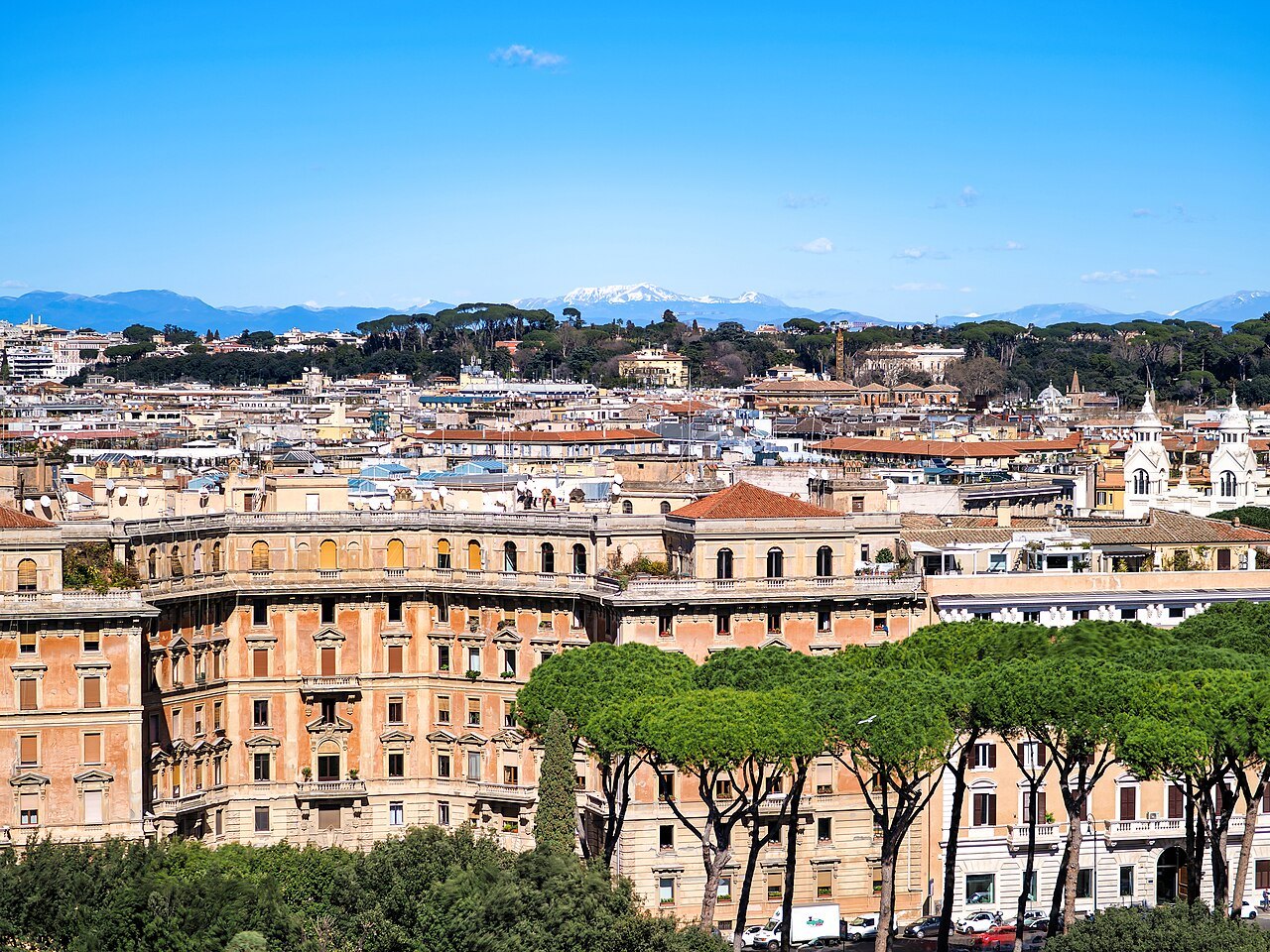
Vatican CityA separate state inside Rome
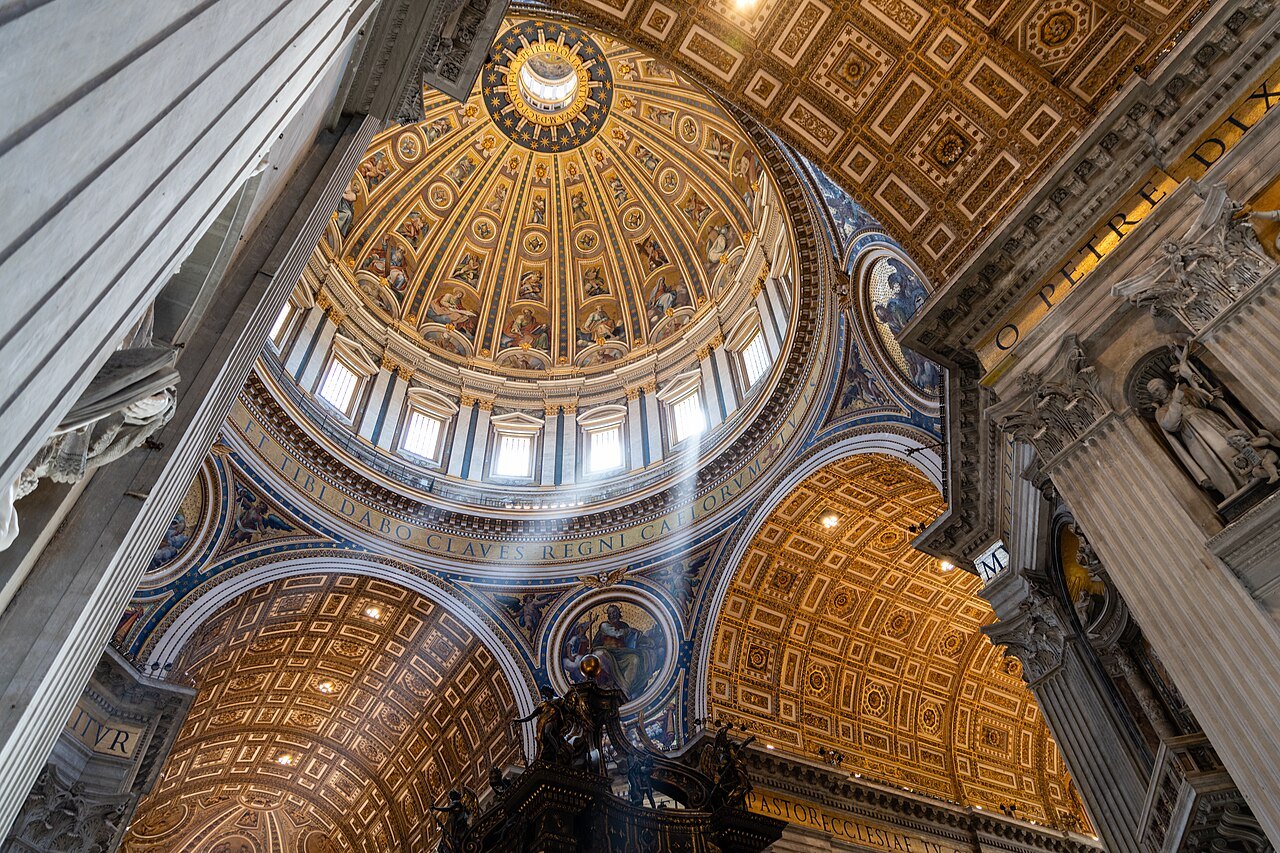 St. Peter's Basilica and SquareVatican CityBuilt from 1506 to 1626 to designs by Bramante, Michelangelo and Maderno, the largest church in the world by interior measure.
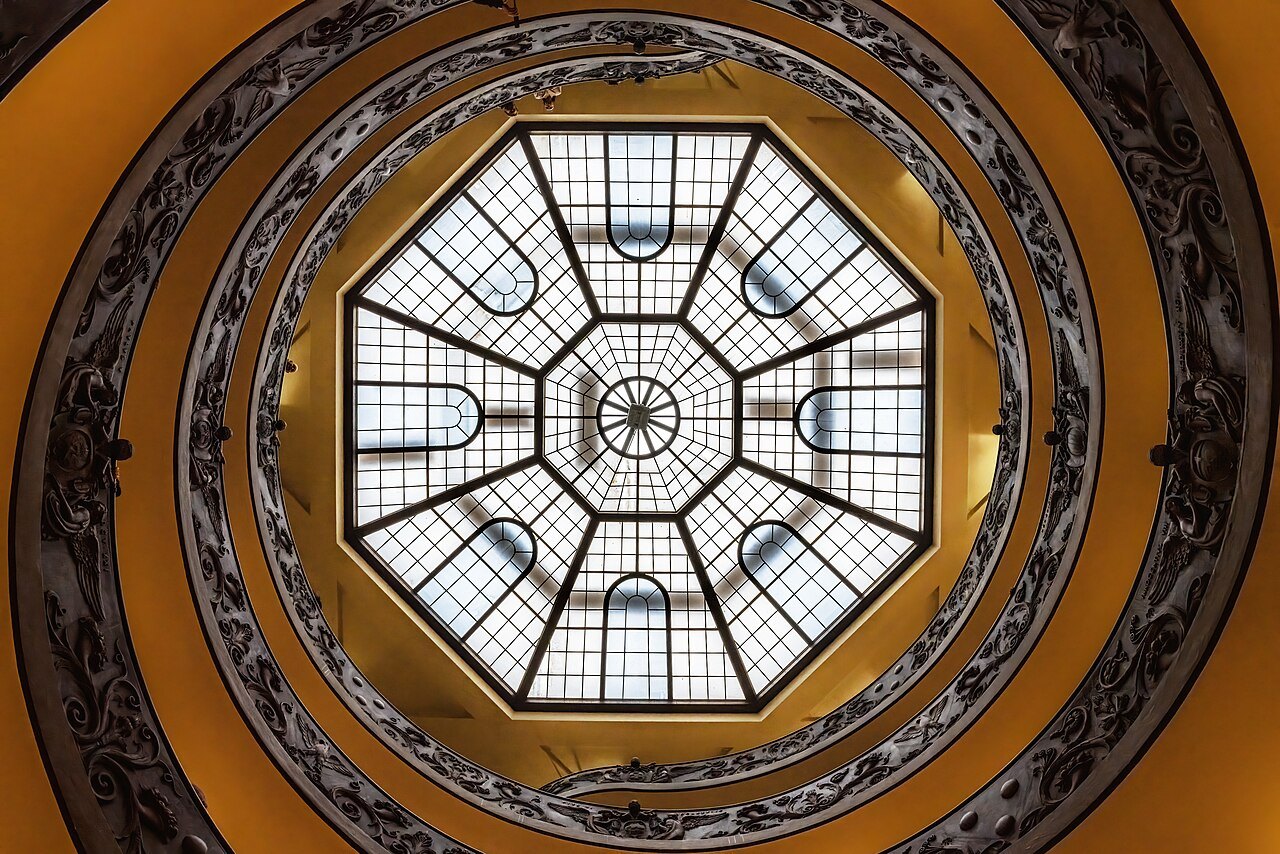 The Vatican Museums and the Sistine ChapelVatican CityThe papal collections founded by Julius II, with the Sistine Chapel and Raphael's rooms on the route.