Home · Where to Stay
Where to stay
Seven parts of the city
- The squares in the bendFirst visits · walkers · evenings outRioni V to IX: Piazza Navona, the Pantheon and Campo de' Fiori, all on foot, with no Metro close by.
- The TridenteShopping · the Spanish Steps · Metro line ACampo Marzio: the three streets from Piazza del Popolo, the Spanish Steps and Via del Corso.
- MontiThe ancient sites · a neighborhood feelRione I, on the hills above the Forum, a short walk from the Colosseum and Santa Maria Maggiore.
- TrastevereAtmosphere · food · nightlifeRione XIII across the river: cobbled lanes and restaurants, busy and lively at night.
- Prati and BorgoThe Vatican · quiet evenings · Metro line ARioni XIV and XXII beside the Vatican: broad planned streets and the walk to St. Peter's.
- Esquilino and TerminiArrival and departure · rail day tripsRione XV around the main station: the best connected and the most cosmopolitan part of the center.
- TestaccioRoman food · a lived-in neighborhoodRione XX by the river: the old slaughterhouse quarter and its hill of broken amphorae.
Schematic, not to scale: the numerals match the list.
In full
Where to Stay
How to choose
Rome's historic center is compact, but the areas within it feel very different after dark, and the Metro reaches some far better than others. Decide what matters most: being able to walk everywhere, being near the Vatican or the ancient sites, quiet nights, or easy trains. Then look at the rioni, the numbered districts of the old city, which make a good map for choosing a base; the rioni page explains them.
Two practical points apply everywhere. The Metro does not run through the heart of the old center, so staying in the squares means walking or taking buses and trams. And the busiest nightlife rioni, among them Trastevere, Monti and Testaccio, have their own limited traffic zones at night because of the weekend crowds, which tells you something about the noise.
The squares in the bend
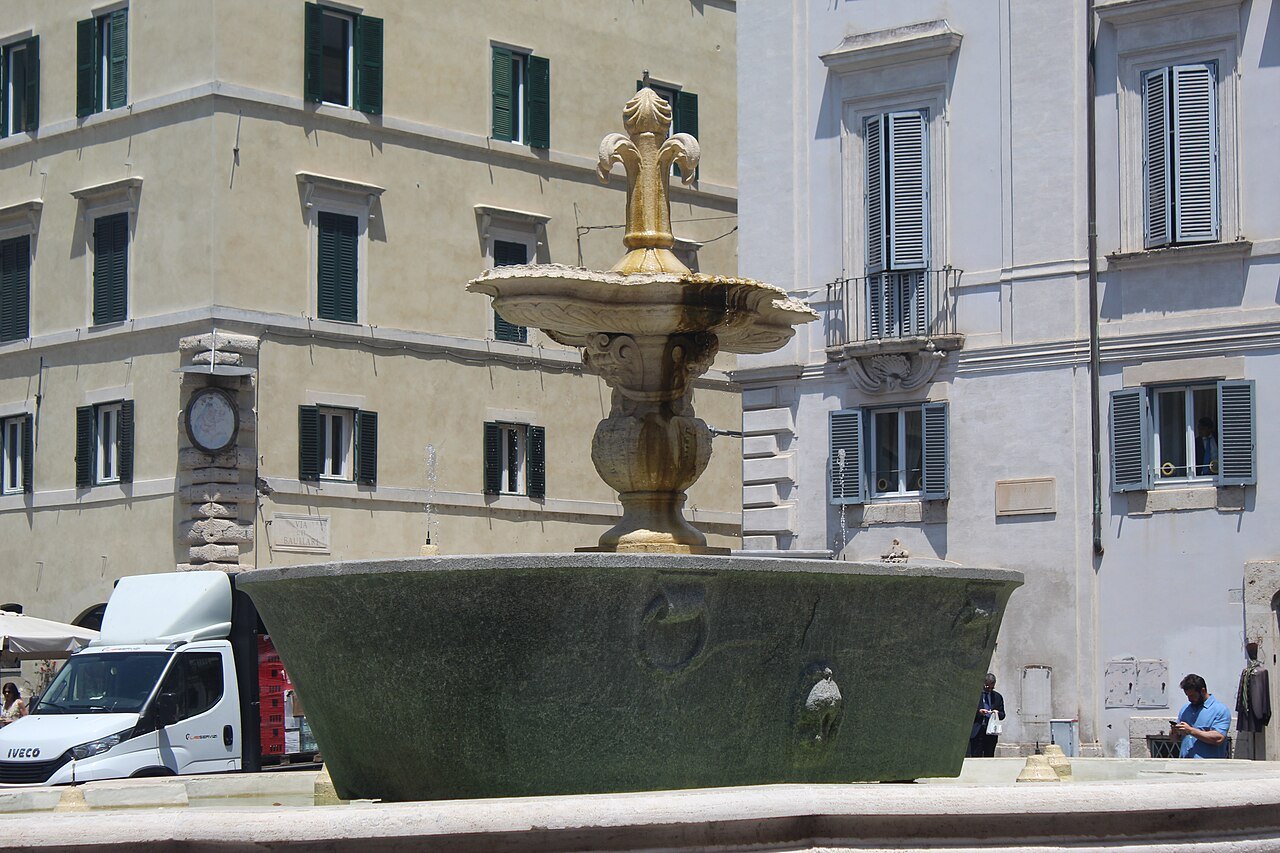
The flat ground in the bend of the Tiber, rioni V to IX and the streets around them, is the Rome of piazzas: Piazza Navona, the Pantheon, Campo de' Fiori and the lanes of Parione and Ponte. Staying here, you can walk to most of the great sights and step out in the evening into the squares. Parione has been a commercial center since Campo de' Fiori was paved in the fifteenth century, and Pope Sixtus IV gave it its tidier Renaissance streets and the Ponte Sisto to Trastevere.
The drawbacks are noise, prices and distance from the Metro. Choose a room on a courtyard rather than a square if you want to sleep.
The Tridente
North of the center, rione IV, Campo Marzio, holds the three streets that fan out from Piazza del Popolo: Via del Corso, the ancient Via Lata; Via di Ripetta; and Via del Babuino, leading to the Spanish Steps. It was one of the most densely populated parts of medieval Rome and was reshaped in the Renaissance with new straight streets and fountains fed by the restored Acqua Vergine.
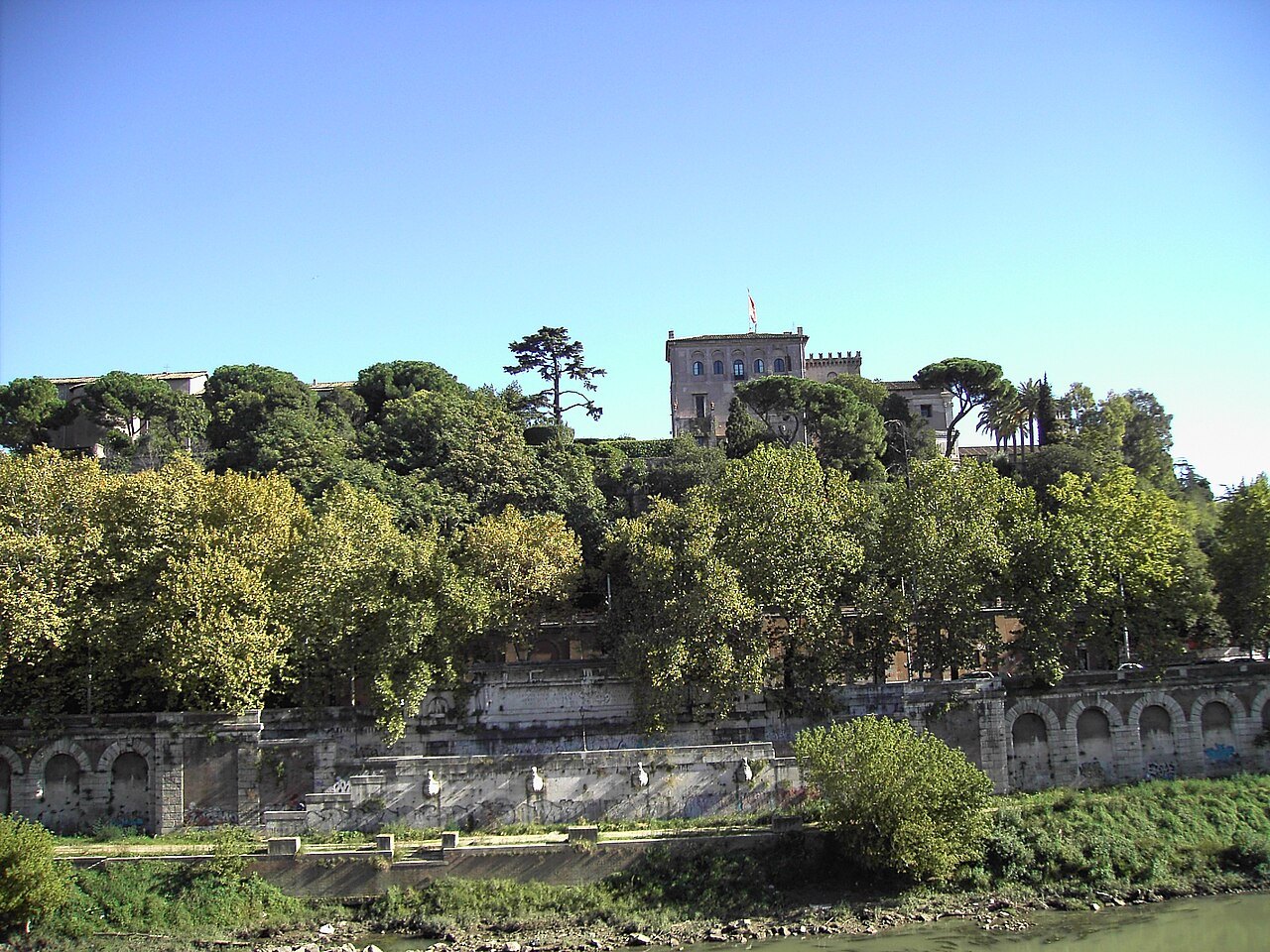
It is elegant and central, with the Borghese gardens above it, Via dei Condotti, where Bulgari keeps its Italian flagship, and two stops on Metro line A, Flaminio and Spagna.
Monti
Rione I, Monti, the mountains, covers the hills that rise from the Forum toward Santa Maria Maggiore. In antiquity it held the Suburra, the crowded quarter of the poor; for most of the Middle Ages it was vineyards and gardens, because water could not easily reach its hills, and its people, the monticiani, had their own dialect and a long rivalry with Trastevere. Between 1924 and 1936 much of its old fabric was demolished to build the Via dei Fori Imperiali.
Today it is a good base for the ancient sites: the Colosseum, the Forum and the basilicas are all within walking distance, and Metro line B runs along its southern edge, stopping at Colosseo.
Trastevere
Rione XIII, across the river, is the Rome many visitors picture: narrow cobbled lanes, old houses, small squares, and churches such as Santa Maria in Trastevere. At night Romans and visitors alike fill its bars and restaurants, which is its charm and its drawback; light sleepers should look at the quieter streets toward the Janiculum.
Trastevere has no Metro station. Tram line 8 links it to Piazza Venezia, and the Ponte Sisto takes you on foot to Campo de' Fiori in a few minutes.
Prati and Borgo
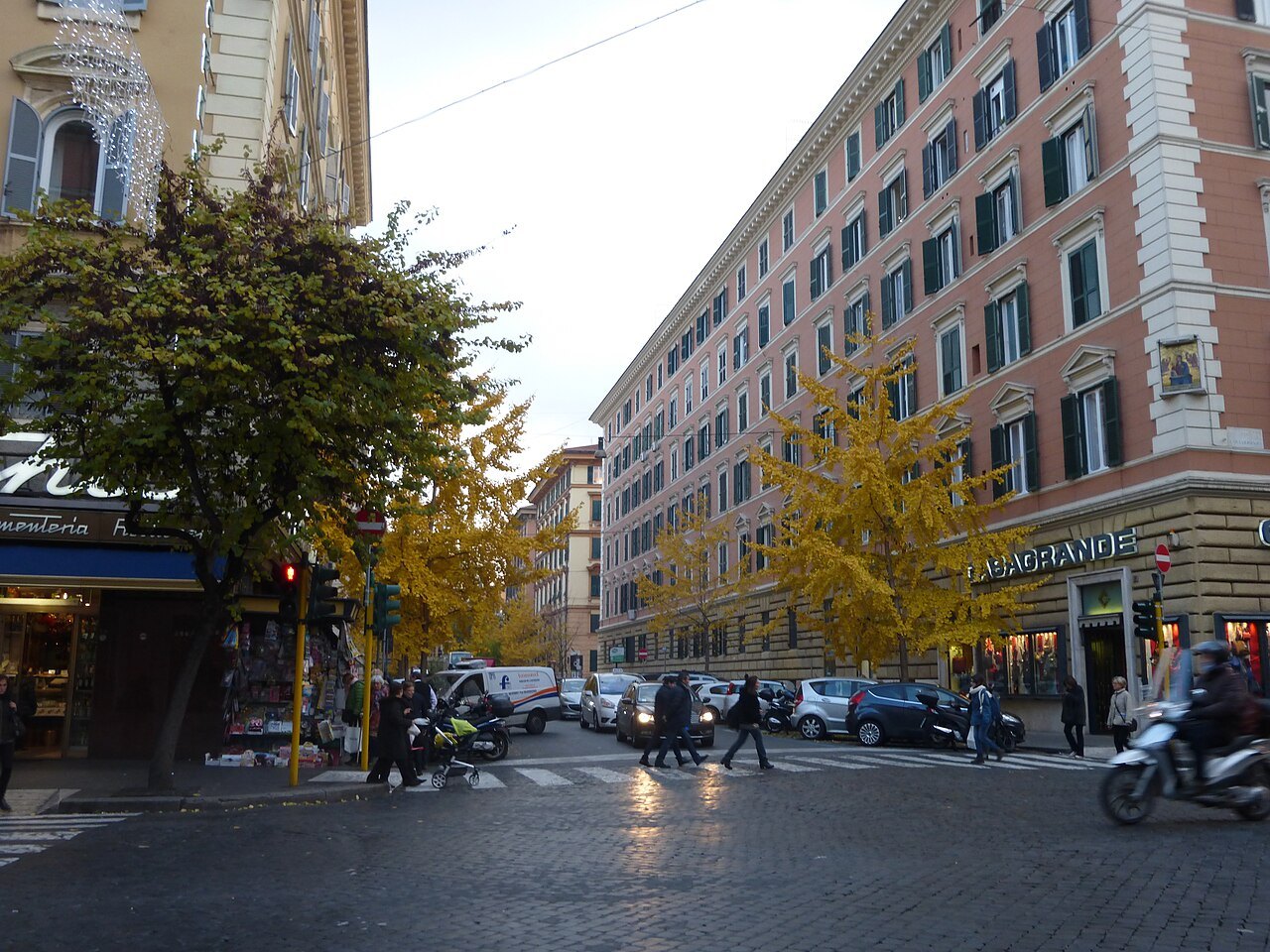
Rione XXII, Prati, was fields until 1883 and was laid out after the unification of Italy for the offices and civil servants of the new kingdom. Its straight streets were planned so that none of them looks toward the dome of St. Peter's, a sign of the tension between the new state and the popes, and they carry the names of heroes of the Roman Republic and the Risorgimento; its main street is named for Cola di Rienzo. Borgo, rione XIV, walled by Pope Leo IV in the ninth century and known as the Leonine City, is the old district between the Vatican and Castel Sant'Angelo.
Together they make a calm, orderly base, close to the Vatican, with Metro line A at Ottaviano and Lepanto.
Esquilino and Termini
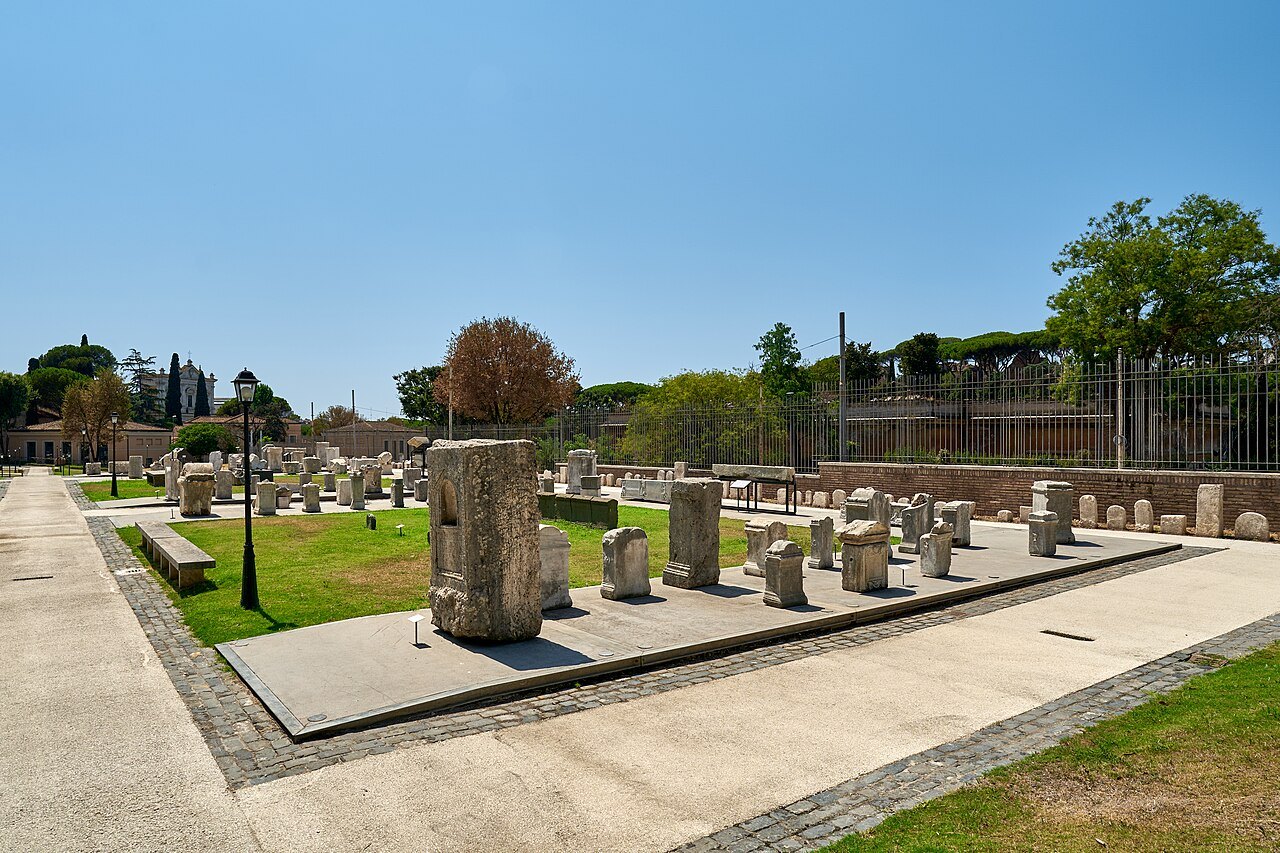
Rione XV, Esquilino, grew up around Termini station after 1870 and is one of the most cosmopolitan parts of the city, home to many immigrants from Asia and North Africa; its heart is Piazza Vittorio, a large square surrounded by porticoes in the Piedmontese style, whose garden keeps the Porta Alchemica, the magic door of a vanished seventeenth-century villa. It is the best-connected part of Rome, with both Metro lines, the airport train and the regional trains at Termini, and it is close to Santa Maria Maggiore.
It is practical rather than picturesque; for a first visit, a hotel a few blocks from the station puts you nearer the old streets.
Testaccio
Rione XX, Testaccio, lies south of the Aventine along the river, named for Monte Testaccio, an artificial hill built from the broken amphorae of the ancient Tiber trade. After 1873 the city's first plan set it aside for industry, and its streets were built to house the workers of the factories along Via Ostiense and of the city slaughterhouse; it has always had a strong identity of its own.
It was once called the belly of Rome, and it is still the place where the most traditional Roman cooking can be found, which makes it a good choice for anyone who travels to eat. It is a little farther from the great sights, but Metro line B stops at Piramide, on its edge, and the eating and drinking page explains what to look for on its menus.
Before you book
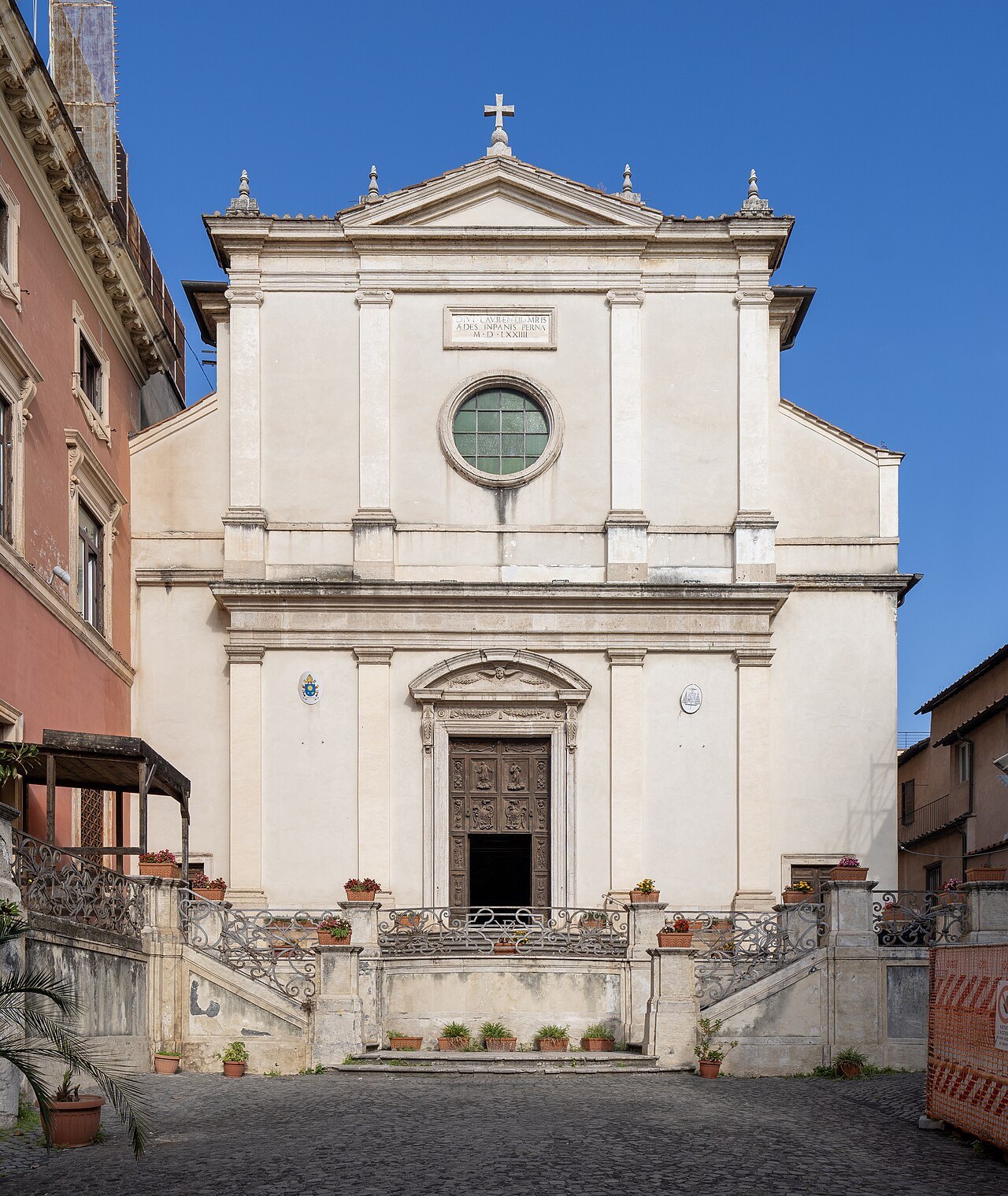
Look at the map as well as the photos: a hotel described as central may be far from the Metro, and a quiet-looking street may be a nightlife ZTL. Check whether the building has an elevator, because many old Roman buildings do not, and whether the room faces the street. The getting around page explains the Metro, trams and buses, and getting here covers the trip from the airports.
Seen on the way
More photographs
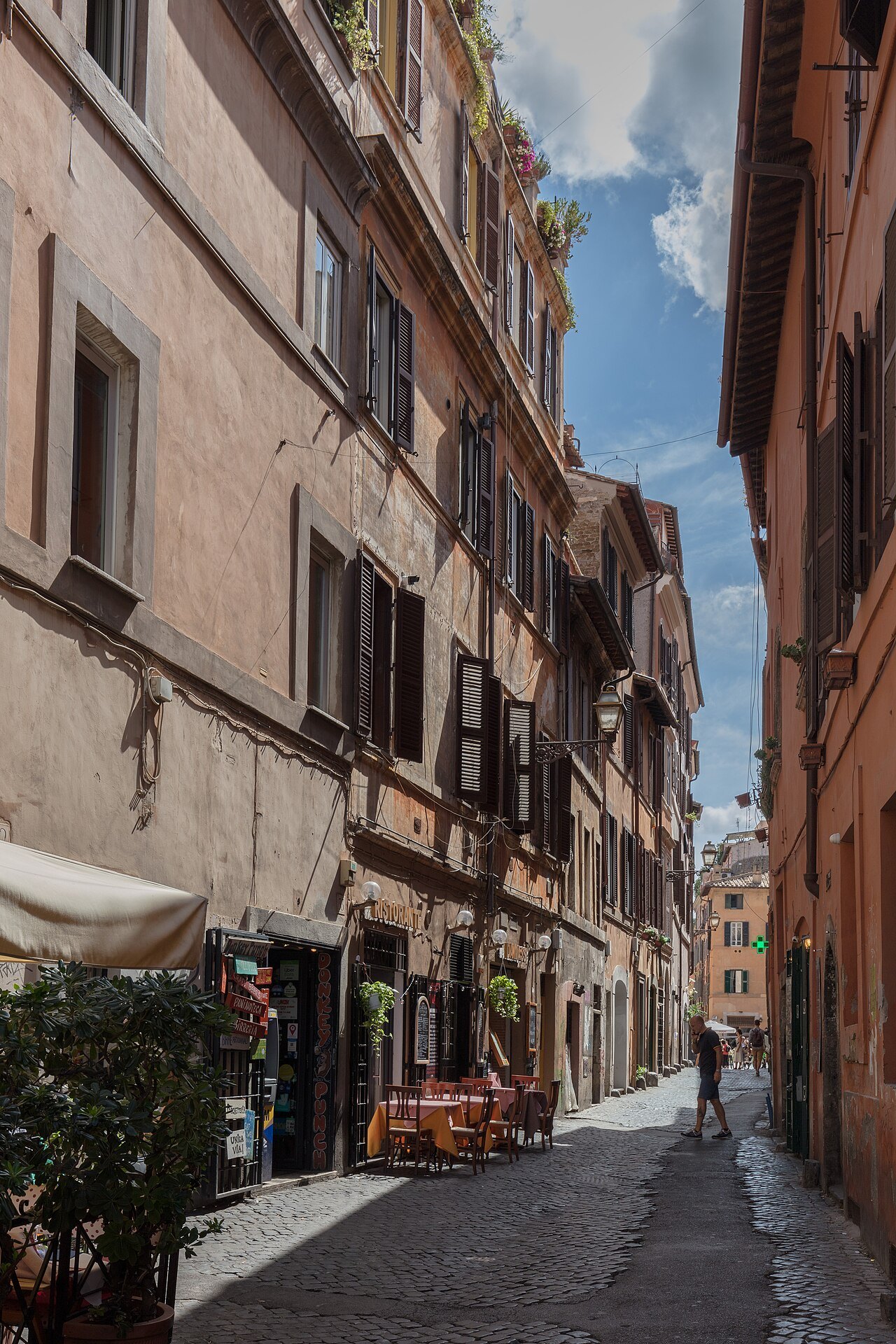
Via della Scala in Trastevere, a narrow street of old houses and restaurant tablesDiego Delso, Wikimedia Commons, CC BY-SA 4.0 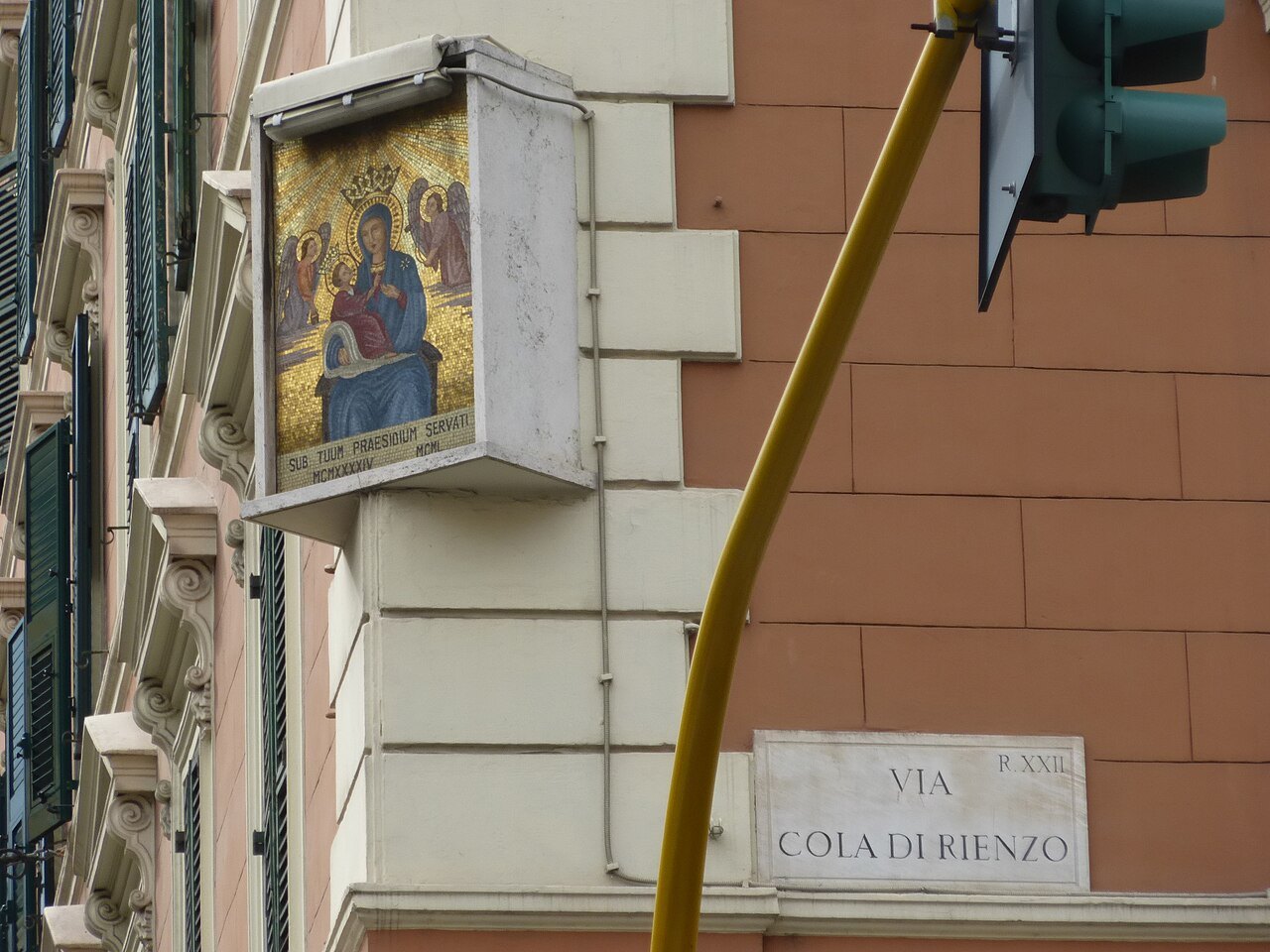
A painted shrine of the Madonna on a wall at the corner of Via Cola di RienzoLalupa, Wikimedia Commons, CC BY-SA 4.0 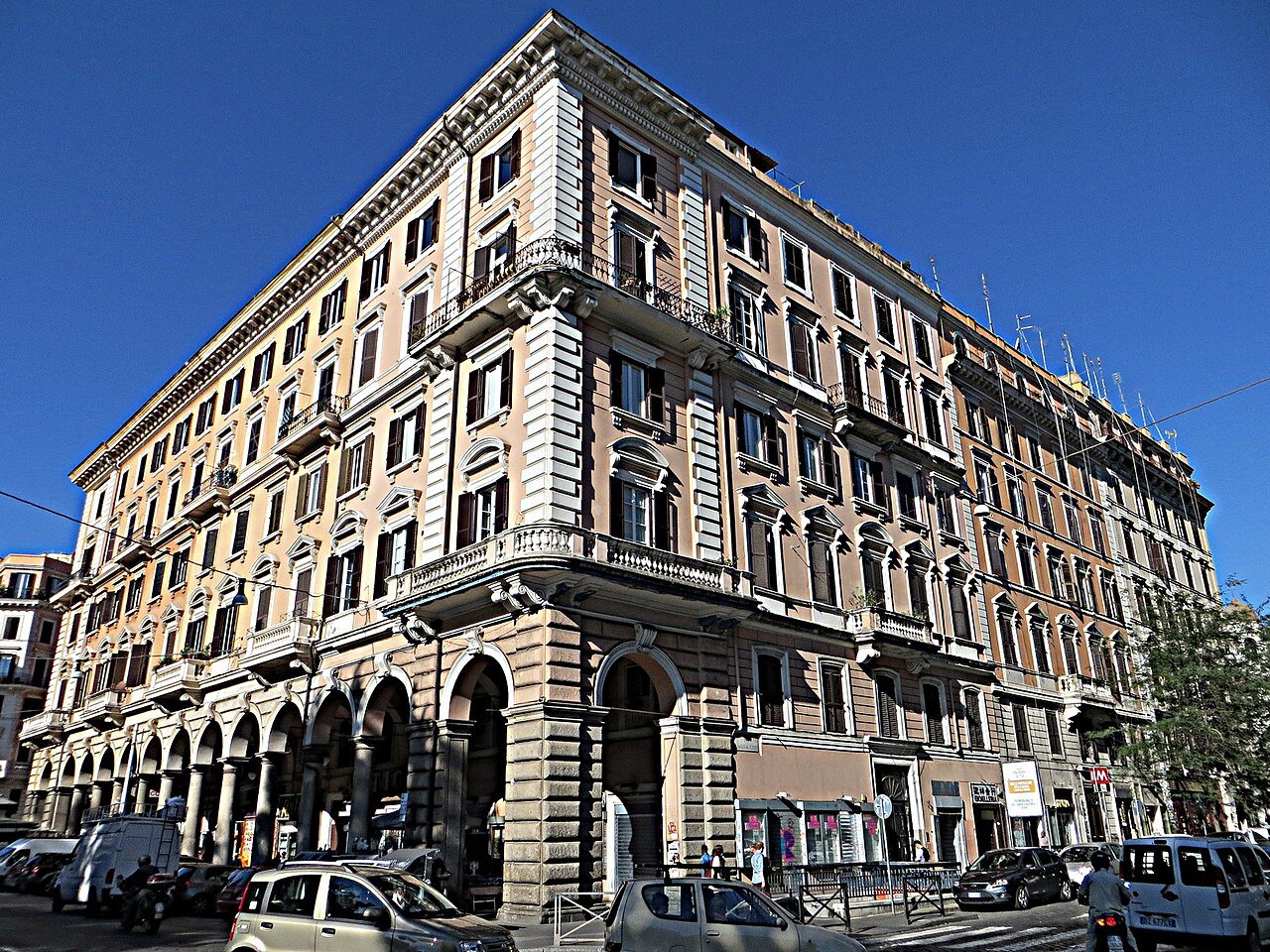
A grand arcaded apartment block on Piazza Vittorio Emanuele IIMister No, Wikimedia Commons, CC BY 3.0