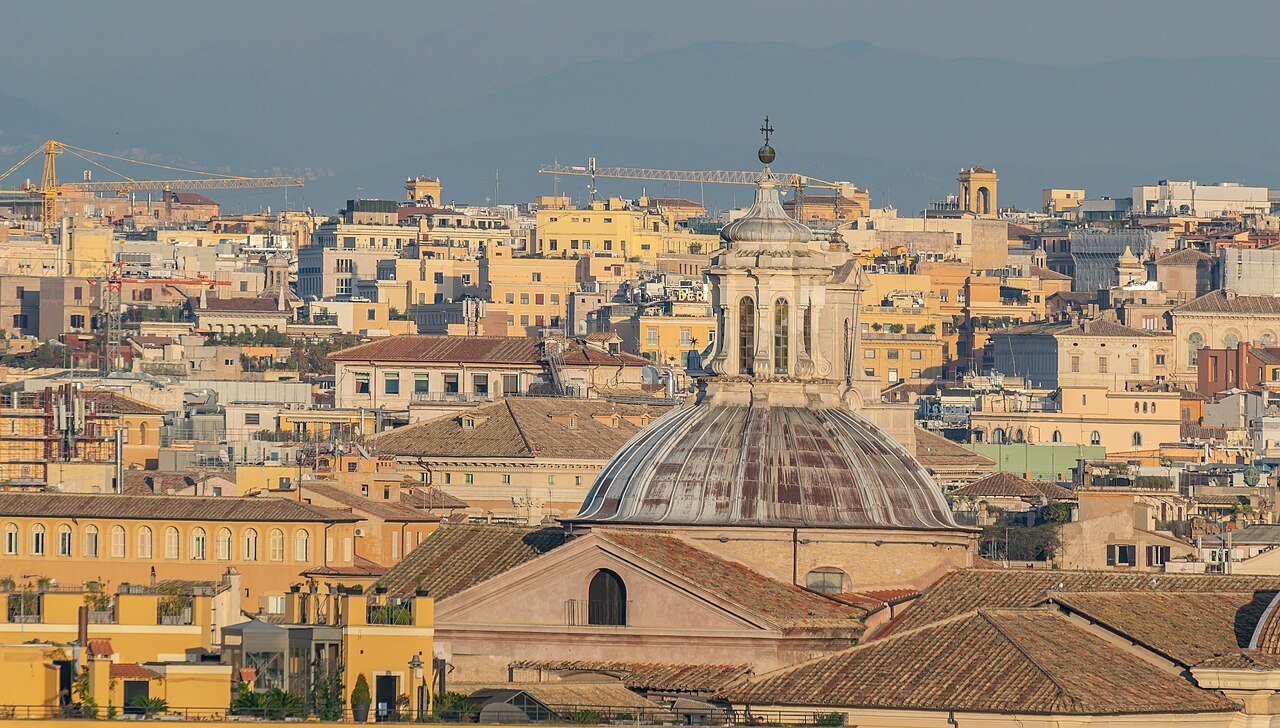
Home · The Sights
All eighteen
The sights, by where they stand
The ancient heartRioni X, XIX and XXI
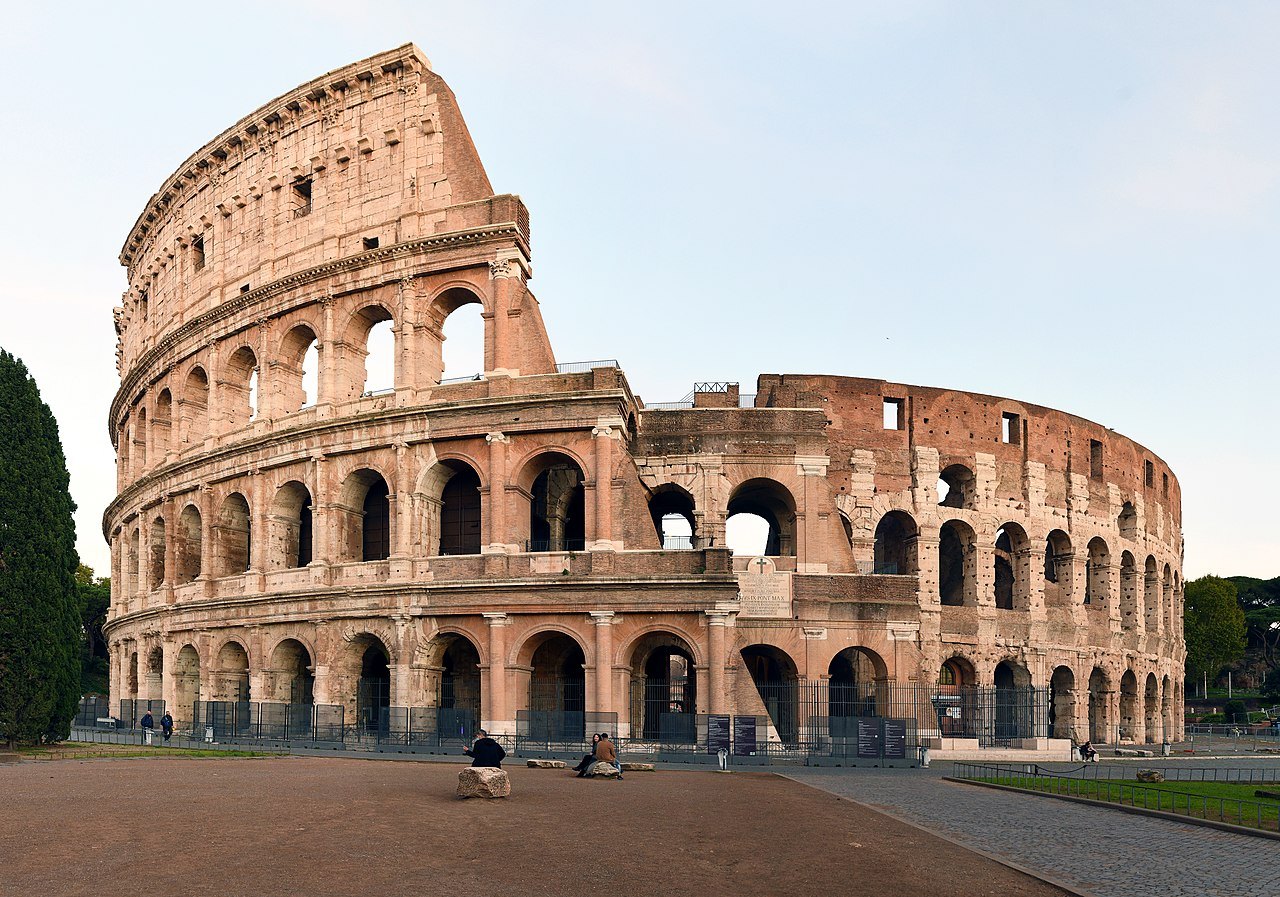 The ColosseumXIX · CelioBegun under Vespasian in 72 and finished under Titus in AD 80, the largest amphitheater ever built.
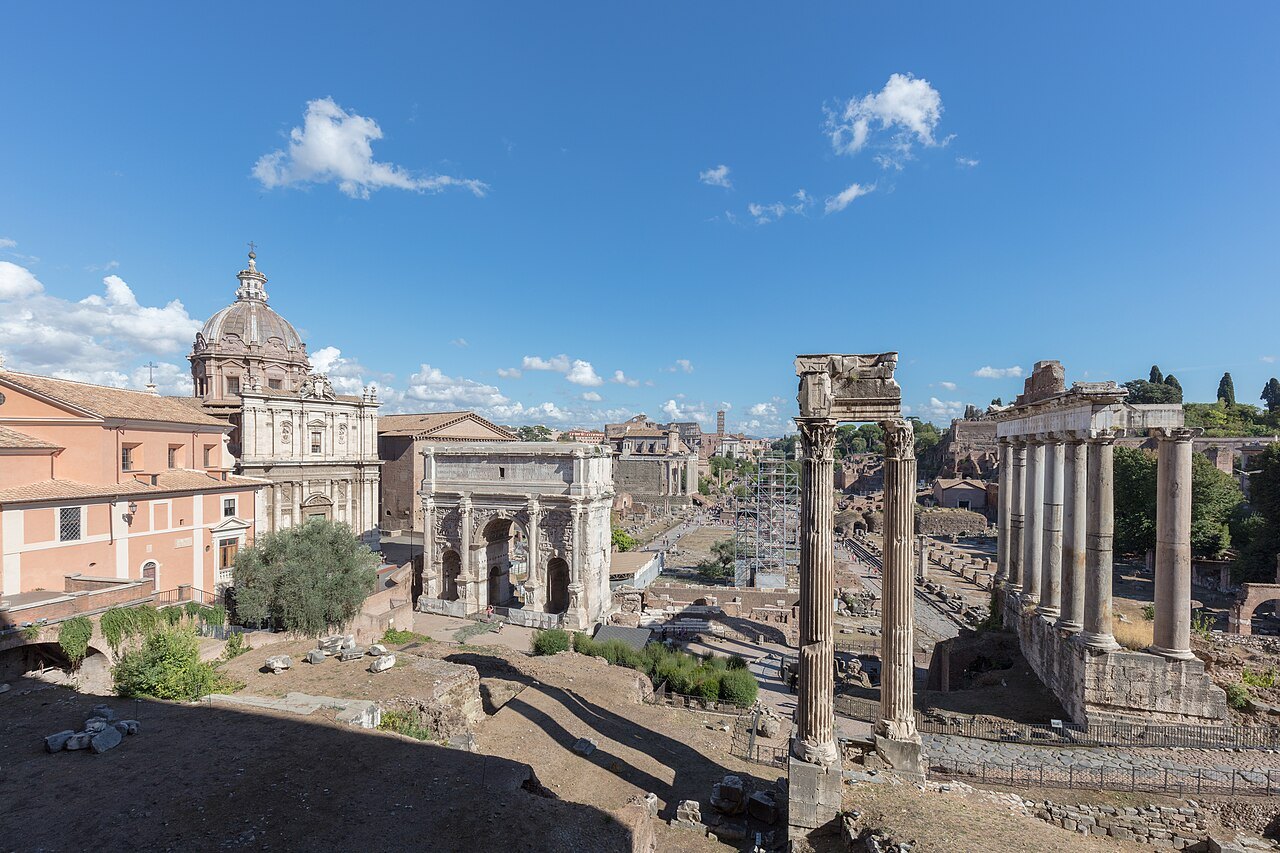 The Roman ForumX · CampitelliThe heart of the ancient city, in the valley between the Palatine and Capitoline hills, crossed by the Via Sacra.
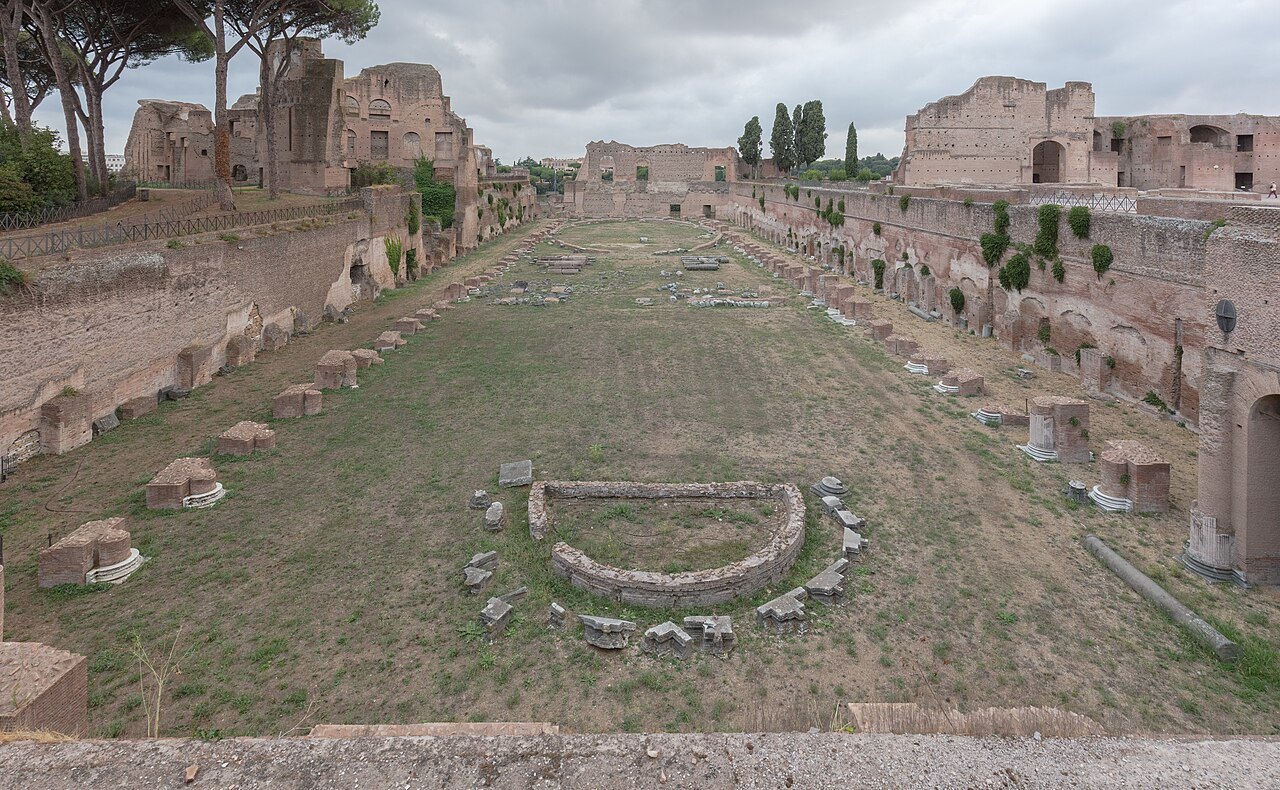 The Palatine Hill and the Circus MaximusX · CampitelliThe centermost of the seven hills, where the emperors built their palaces, starting with Augustus.
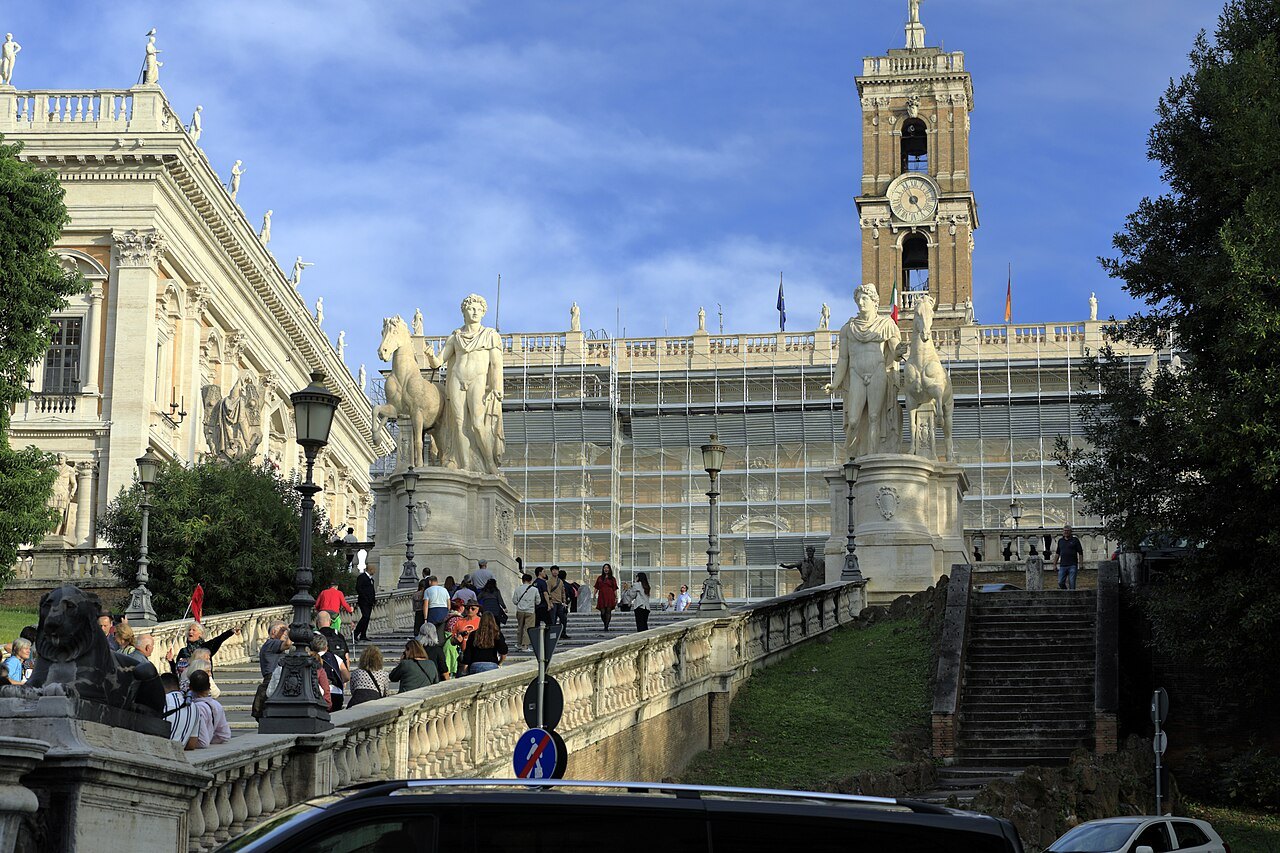 The Capitoline Hill and its MuseumsX · CampitelliTwo palaces facing each other across a hilltop square Michelangelo designed for Pope Paul III.
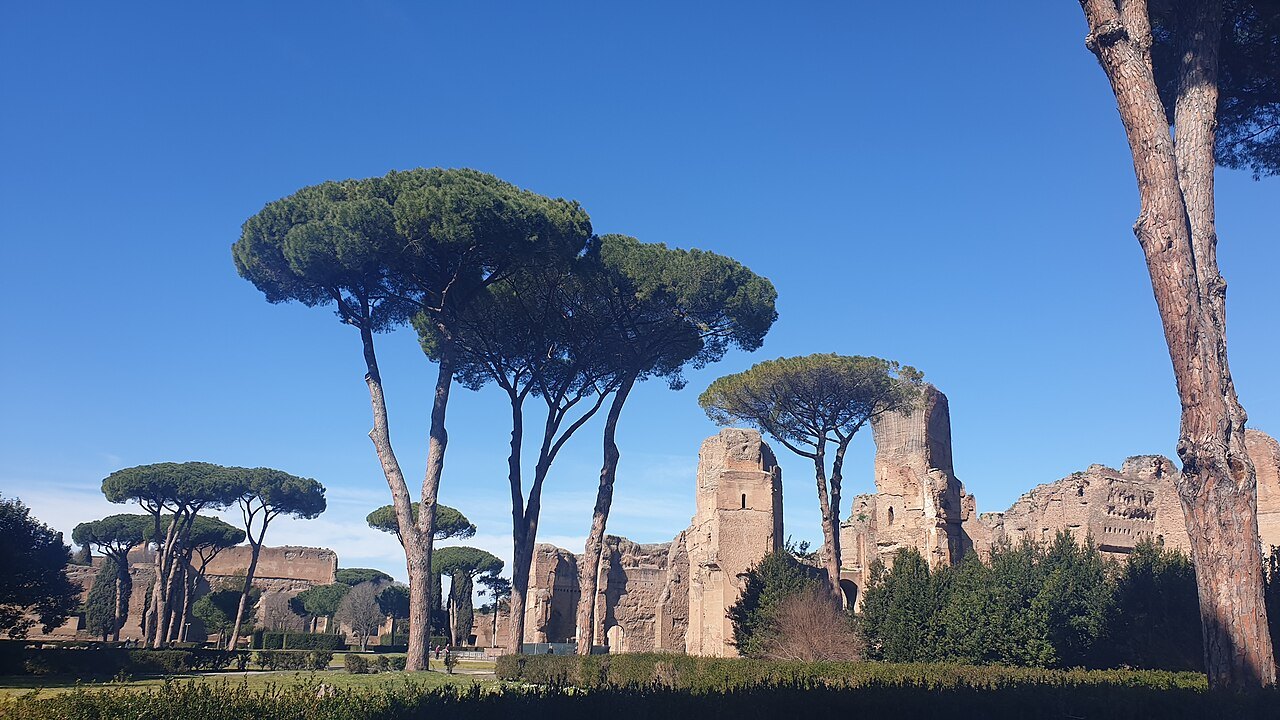 The Baths of CaracallaXXI · San SabaThe city's second-largest public baths, built between AD 212 and 216 and in use until the 530s.
The squares in the bendRioni II, IV, VI and IX
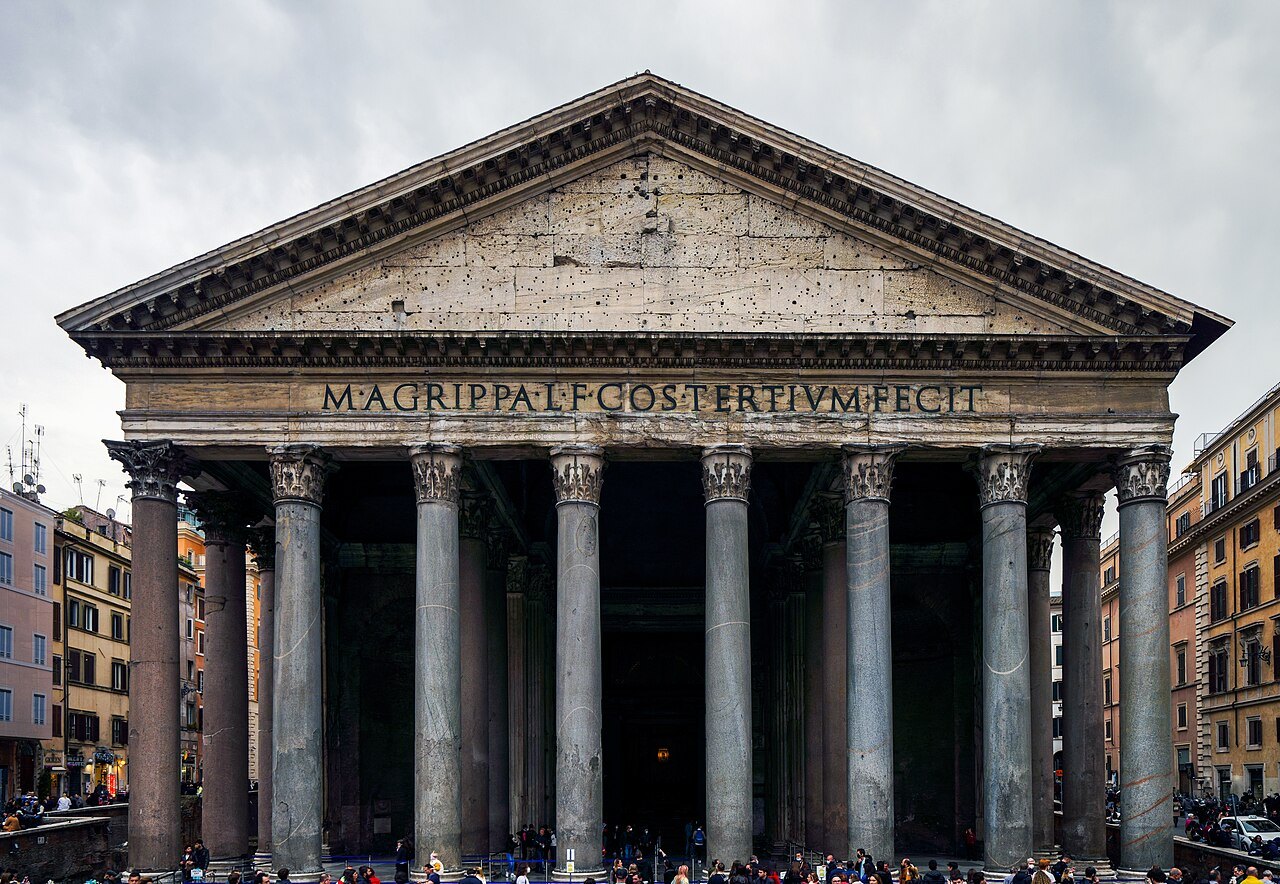 The PantheonIX · PignaRebuilt under Hadrian and a church since 609, under the world's largest unreinforced concrete dome.
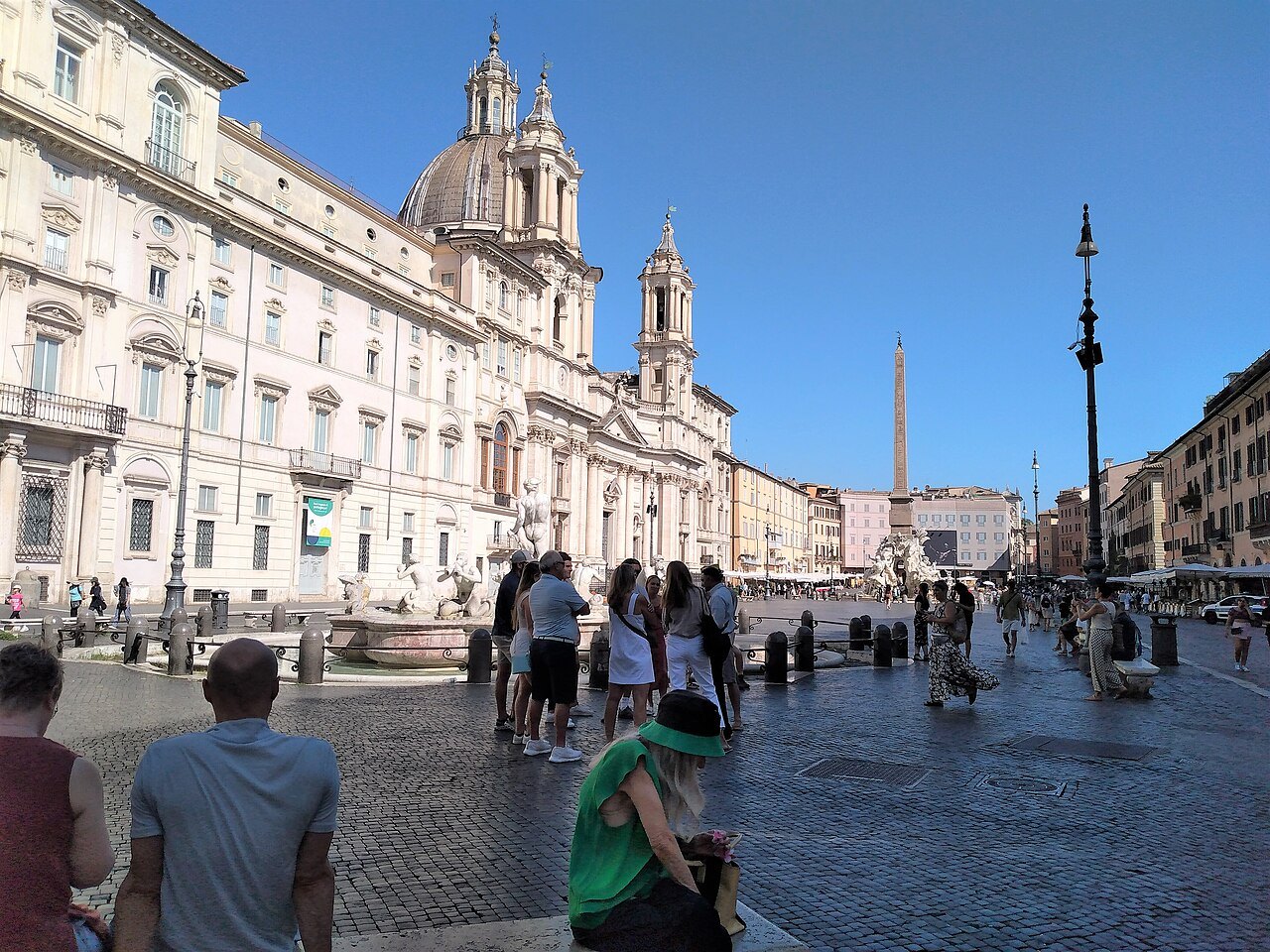 Piazza Navona and Campo de' FioriVI · ParioneAn oval square on the site of Domitian's stadium, with Bernini's Fountain of the Four Rivers of 1651.
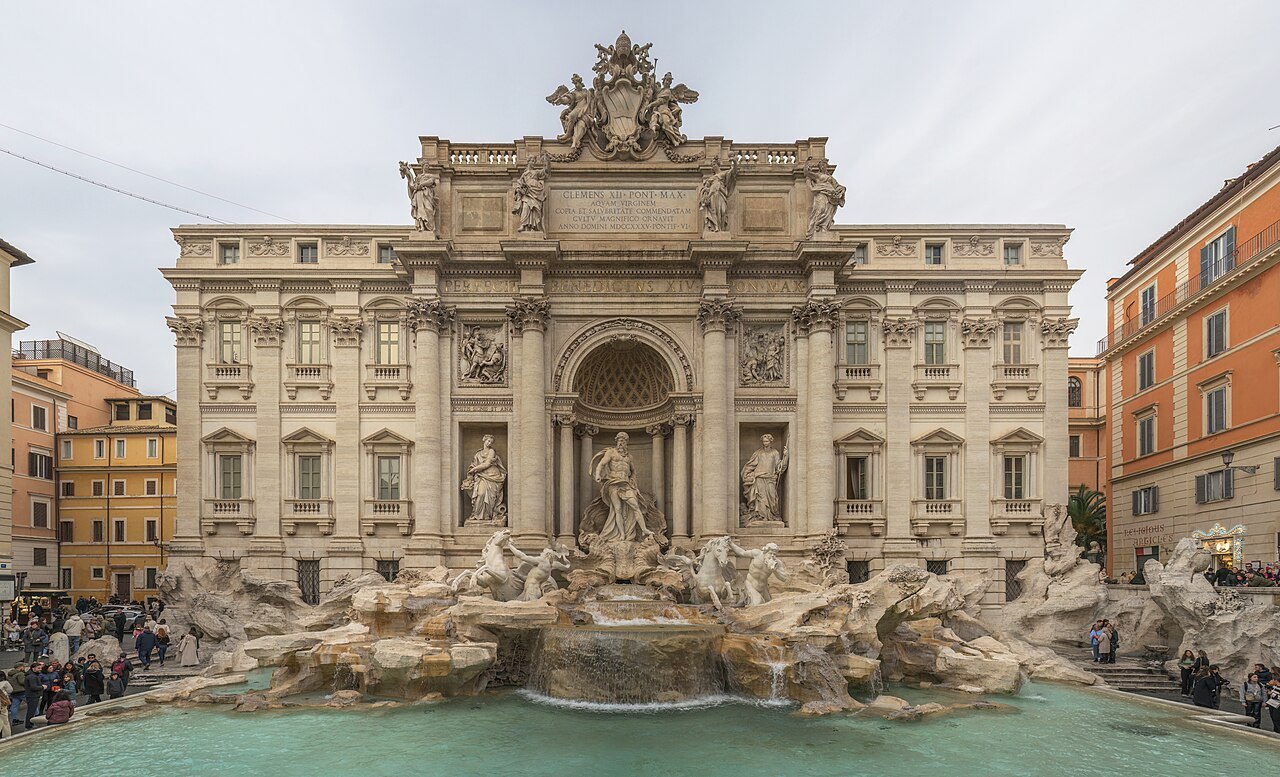 The Trevi FountainII · TreviNicola Salvi's fountain, begun in 1732 and finished in 1762, the largest Baroque fountain in the world.
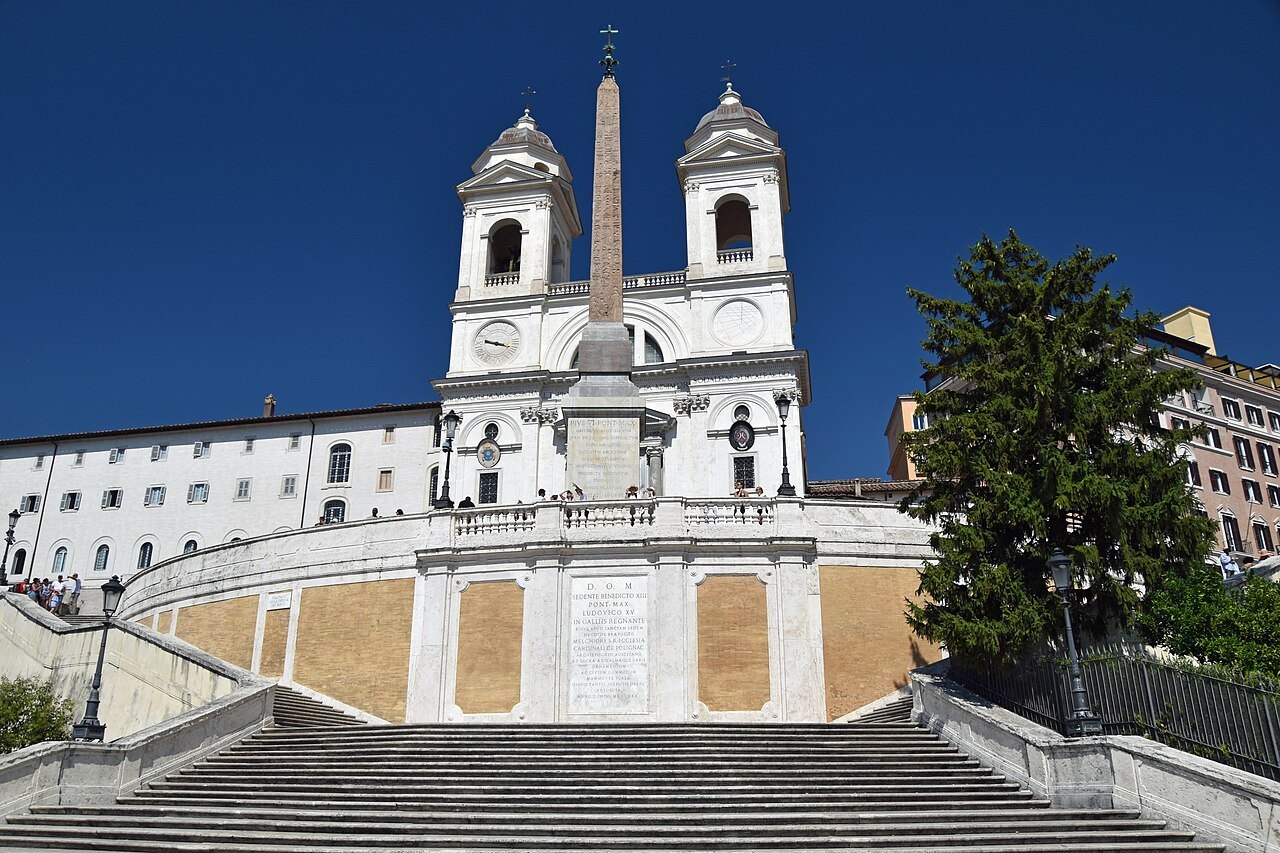 The Spanish StepsIV · Campo MarzioA stairway of 135 steps from the Piazza di Spagna up to the church of Trinità dei Monti.
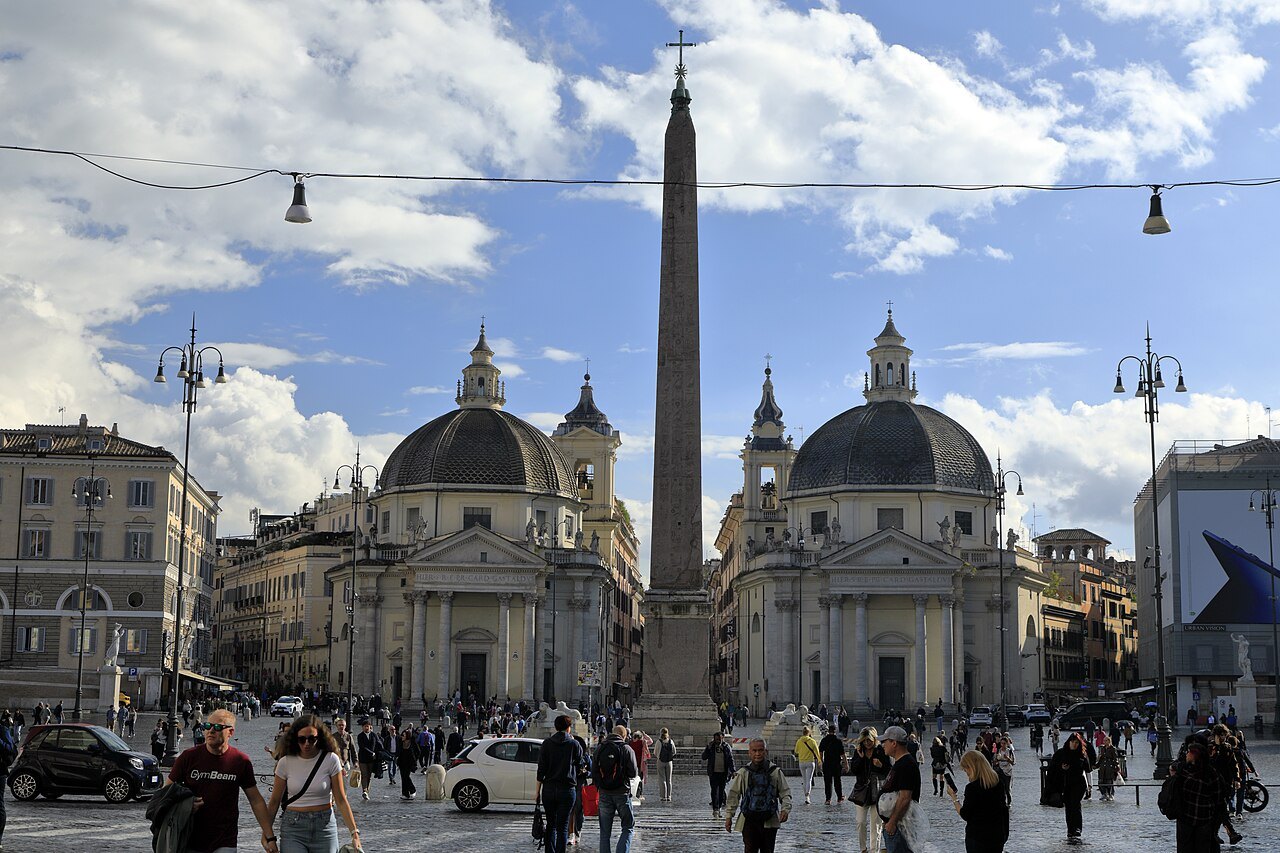 Piazza del Popolo and the PincioIV · Campo MarzioThe square inside the old northern gate, once a traveler's first view of Rome, with an Egyptian obelisk.
Across the TiberRioni XIII and XIV
Vatican CityA separate state inside Rome
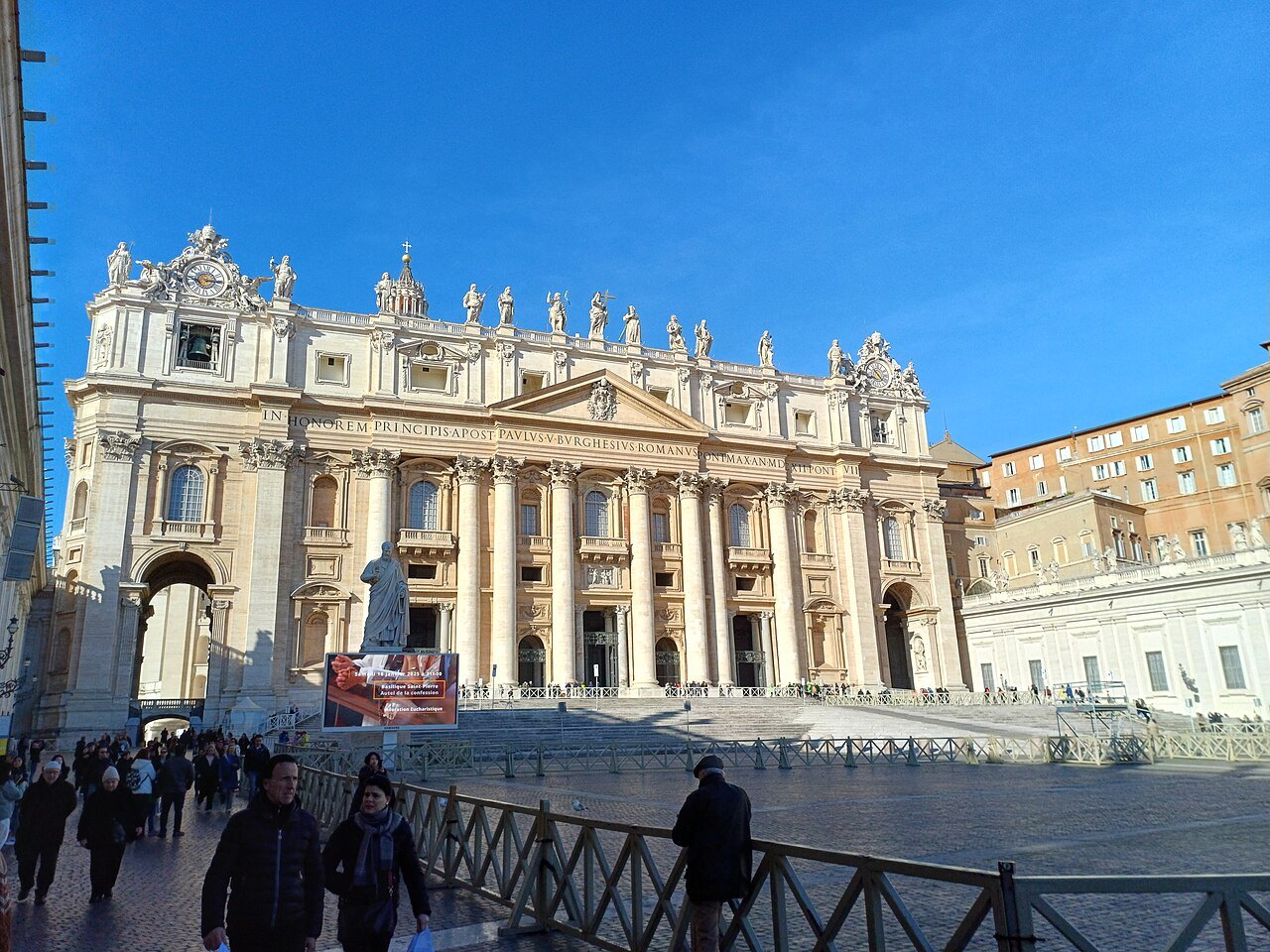 St. Peter's Basilica and SquareVatican CityBuilt from 1506 to 1626 to designs by Bramante, Michelangelo and Maderno, the largest church in the world by interior measure.
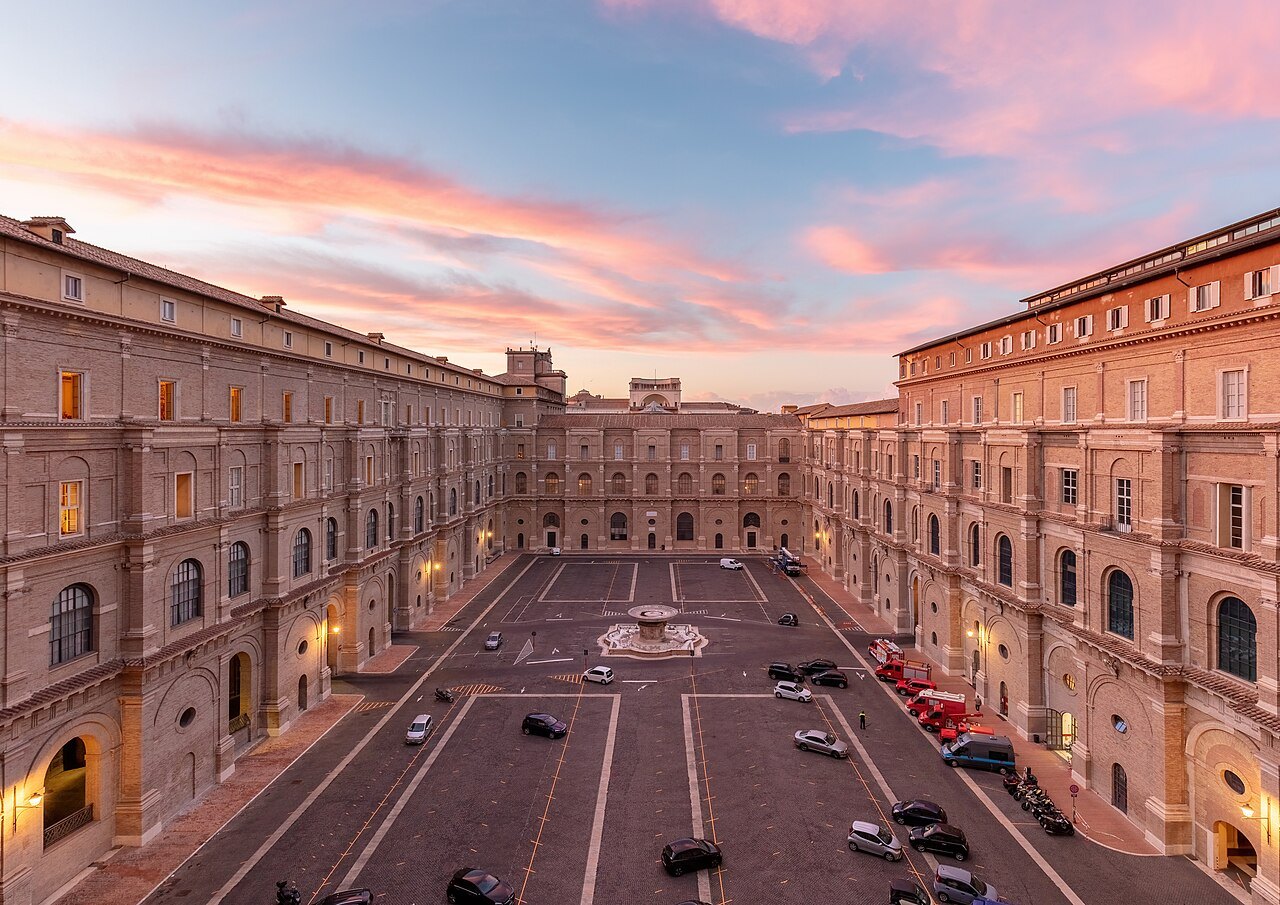 The Vatican Museums and the Sistine ChapelVatican CityThe papal collections founded by Julius II, with the Sistine Chapel and Raphael's rooms on the route.
The pilgrim basilicasRioni I and XV
Beyond the wallsThe villa and the road
In full
The Sights
How the sights are arranged
Every sight on this site carries its rione, the numbered district of old Rome it stands in, or Vatican City, or the words outside the walls. The eighteen fall into six groups that match the shape of the city on the ground, so a group can usually be walked in a day or less. Each page gives the history, what you actually see, how to visit, and a few myths worth setting aside, with its sources listed at the end.
The groups run roughly from the oldest part of the city outward. Start with the ancient heart if this is your first visit; the rest can follow in almost any order. The rioni page explains the numbers, and the itineraries page turns the groups into days.
The ancient heart
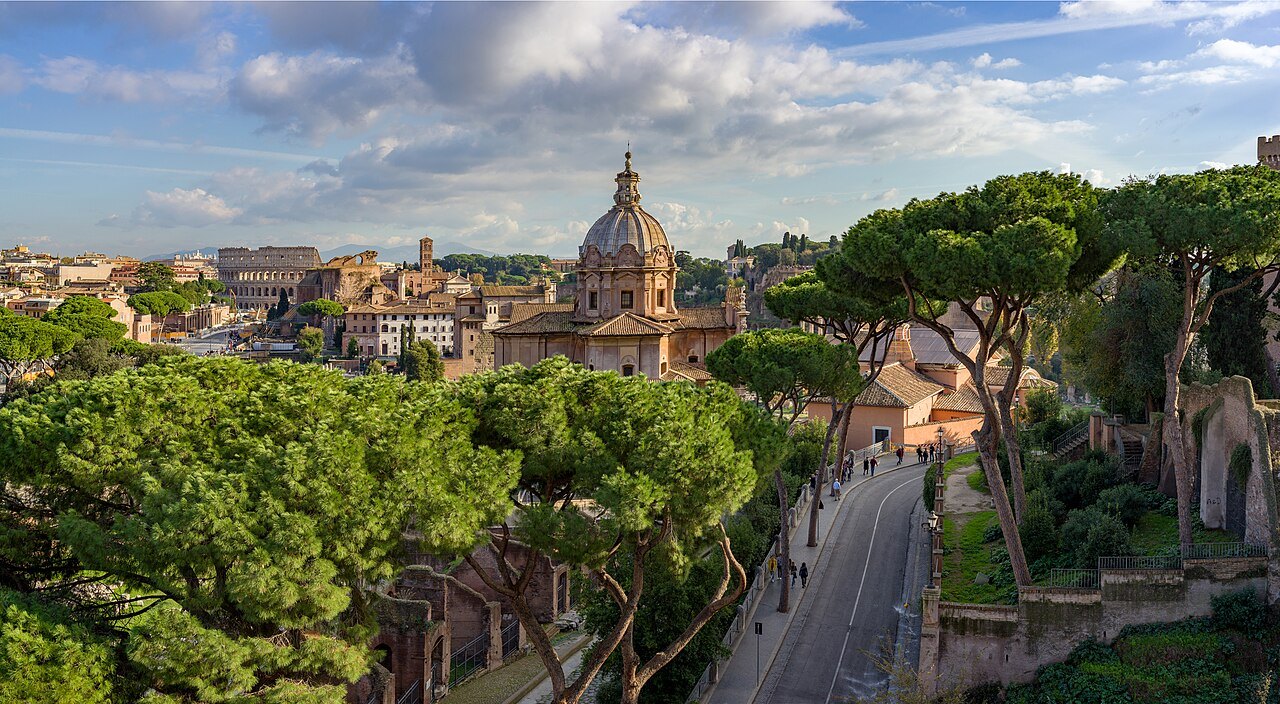
Rioni X, XIX and XXI hold the monuments of imperial Rome. The Colosseum, the Flavian amphitheater begun under Vespasian and opened by Titus, stands at the low point where Nero's lake once lay. Beside it the Roman Forum runs along the Via Sacra between temples, basilicas and triumphal arches, and above it rises the Palatine Hill, where legend puts Romulus and where the emperors built the palaces that gave the word its meaning.
On the Capitoline, the Capitoline Museums occupy Michelangelo's square, the oldest public museum in the world, founded in 1471 with a gift of bronzes. To the south, the Baths of Caracalla show the scale of imperial leisure: a bathing palace for thousands, opened in 216 and in use until the Goths cut the aqueducts in 537. The Colosseum, the Forum and the Palatine share one ticket and one park.
The squares in the bend
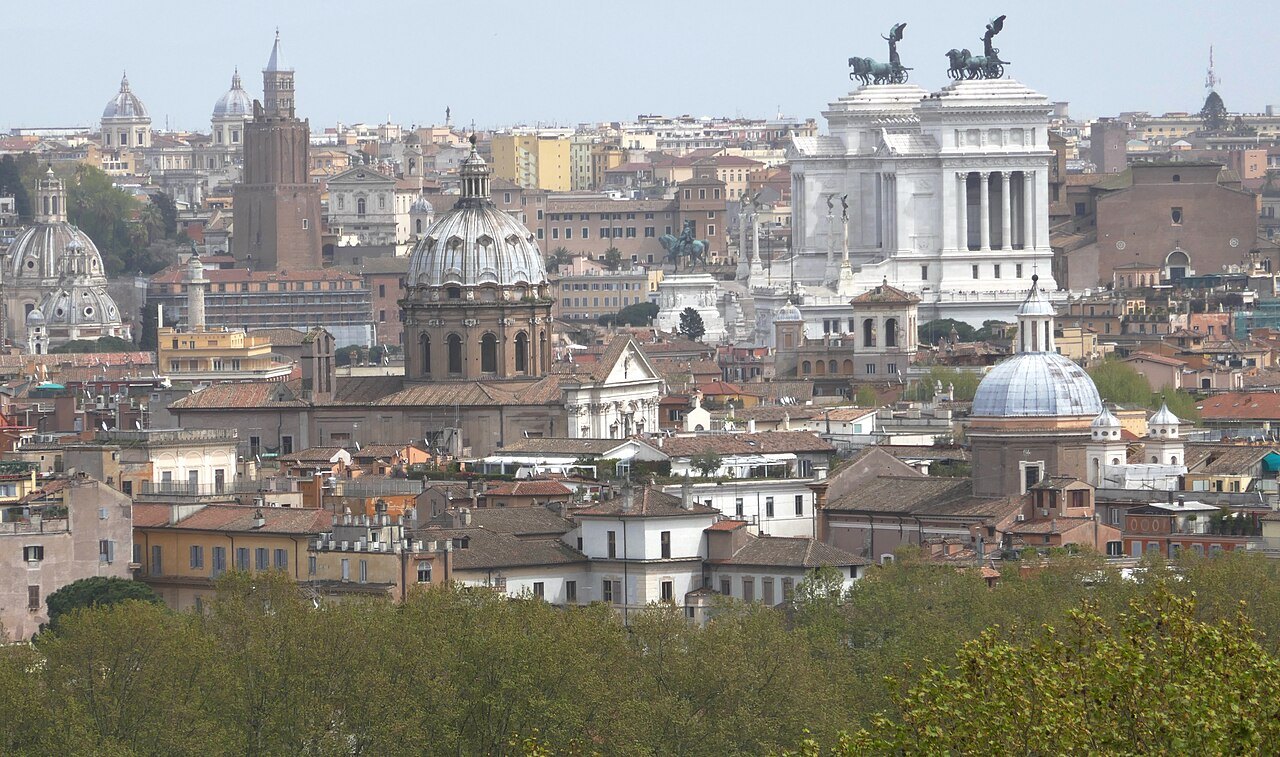
Rioni II, IV, VI and IX lie in the bend of the Tiber, on the flat ground that was once the Campus Martius, and they hold the Rome of squares, fountains and Baroque stone. The Pantheon, Hadrian's temple under Agrippa's name, has stood roofed for nineteen centuries because it became a church in 609. A few streets west, Piazza Navona keeps the long shape of Domitian's stadium, with Bernini's Fountain of the Four Rivers facing Borromini's church.
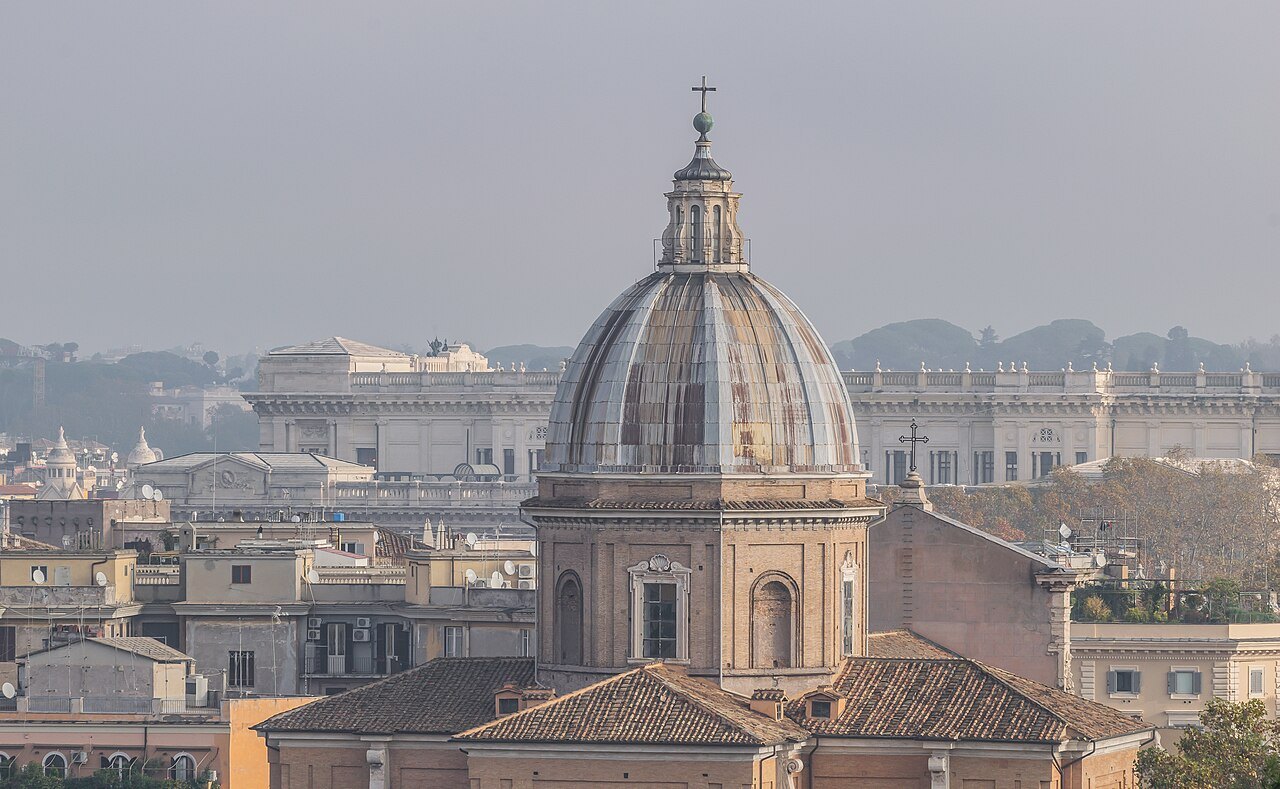
To the east, the Trevi Fountain, finished in 1762 to designs by Nicola Salvi, is the show front of the Acqua Vergine aqueduct. North of it, the Spanish Steps climb one hundred and thirty-five steps to the French church of Trinità dei Monti, and at the end of Via del Corso, Piazza del Popolo opens inside the old northern gate, below the terrace of the Pincio.
Across the Tiber
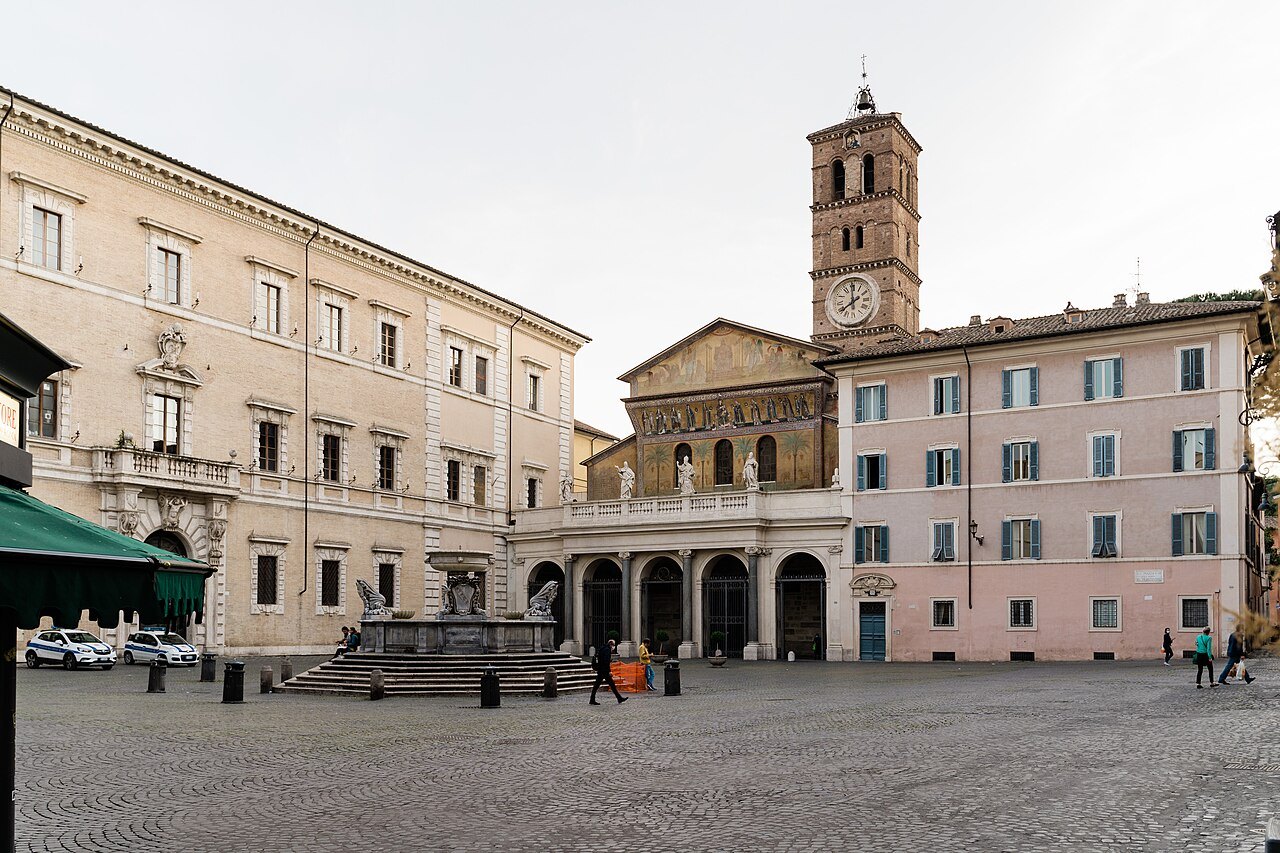
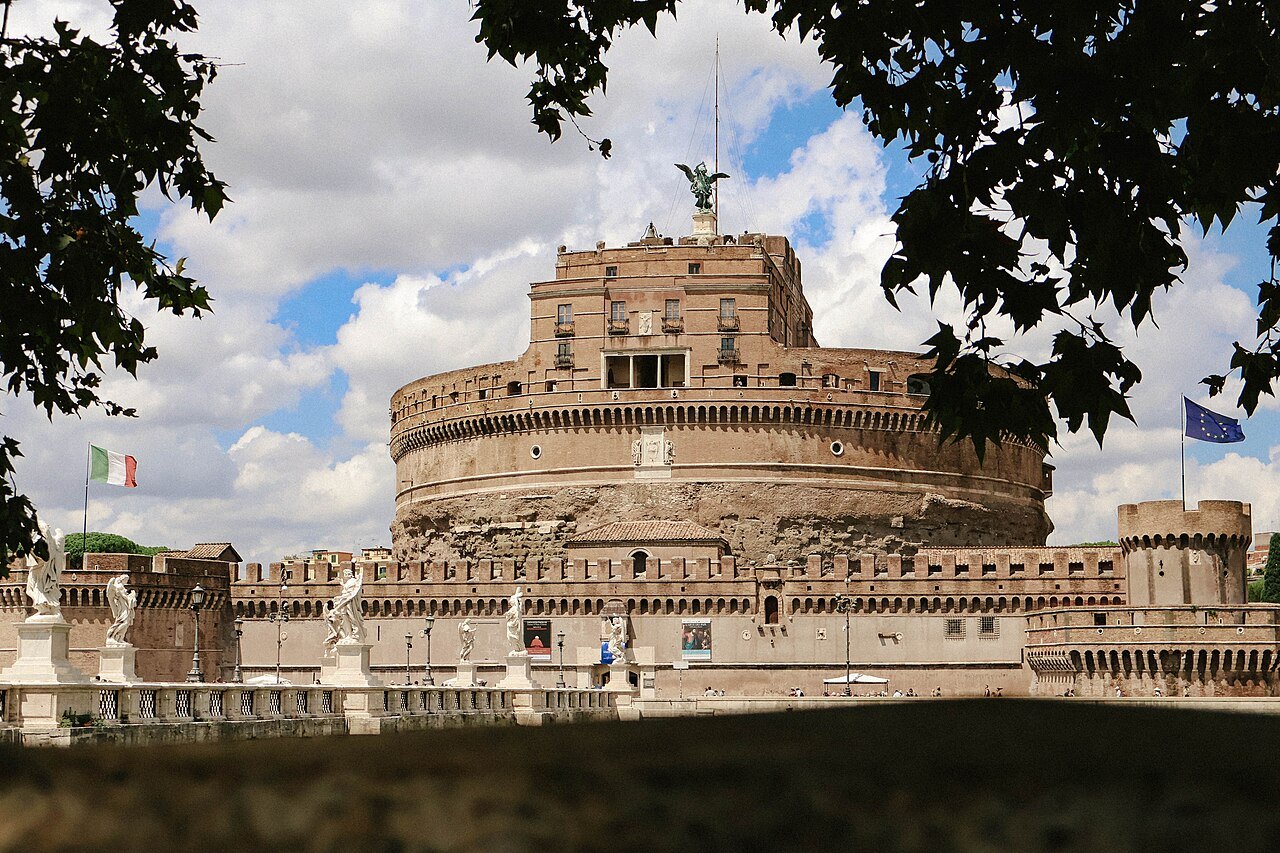
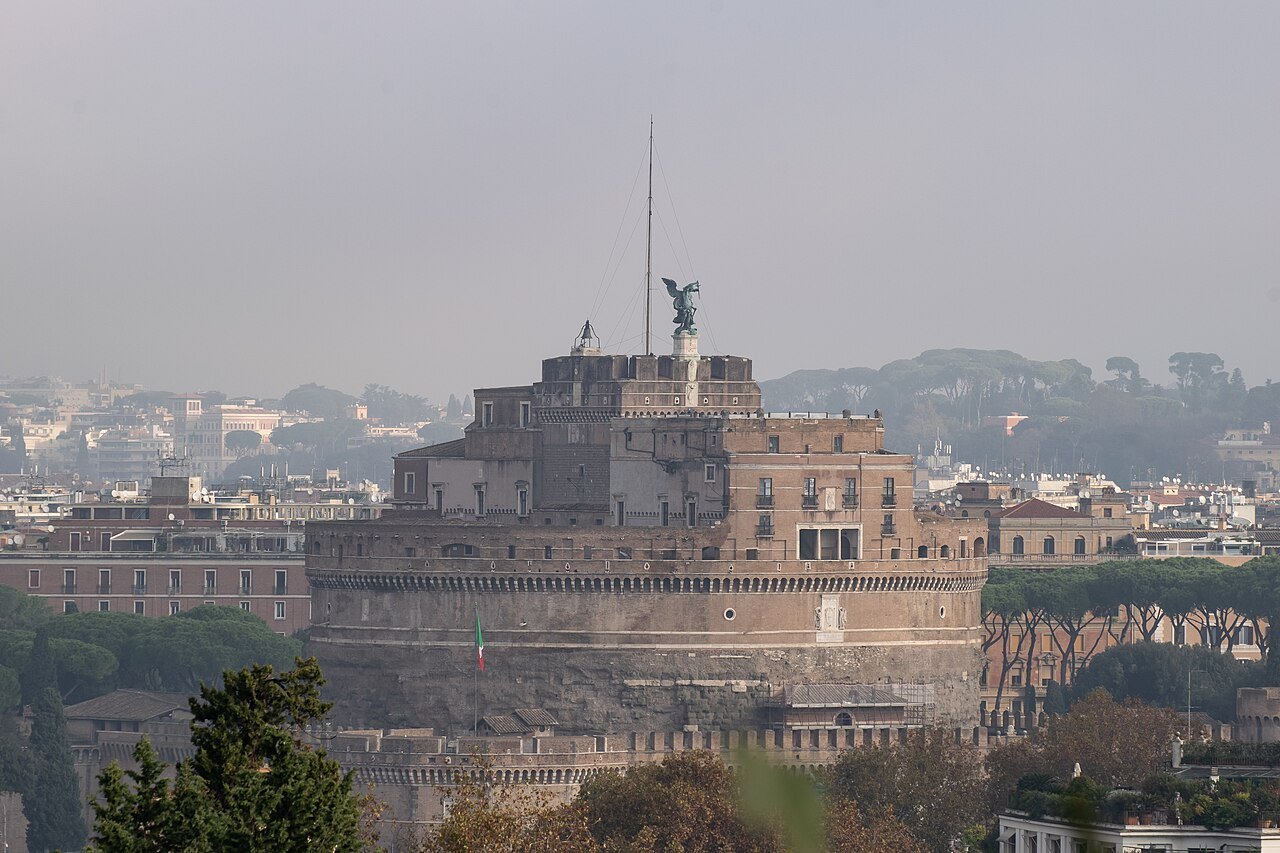
Rioni XIII and XIV lie on the west bank. Trastevere, trans Tiberim, is a whole neighborhood rather than a single sight: cobbled lanes, the medieval church of Santa Maria in Trastevere, Saint Cecilia's church, Raphael's frescoes in the Villa Farnesina, and the Janiculum above. North of it, in Borgo, Castel Sant'Angelo began as Hadrian's tomb and became the popes' fortress, joined to the Vatican by the covered corridor of the Passetto and approached across Hadrian's bridge, lined with Bernini's angels.
Vatican City
Two sights stand in another country. St. Peter's Basilica, built from 1506 to 1626 over the traditional tomb of Peter, is the largest church in the world by interior measure, and the Vatican Museums hold five centuries of papal collecting, from the Laocoön to the Raphael Rooms, ending in the Sistine Chapel. Both are in Vatican City, a separate state with its own rules for dress, bags and photography, so read its page before you go.
The pilgrim basilicas
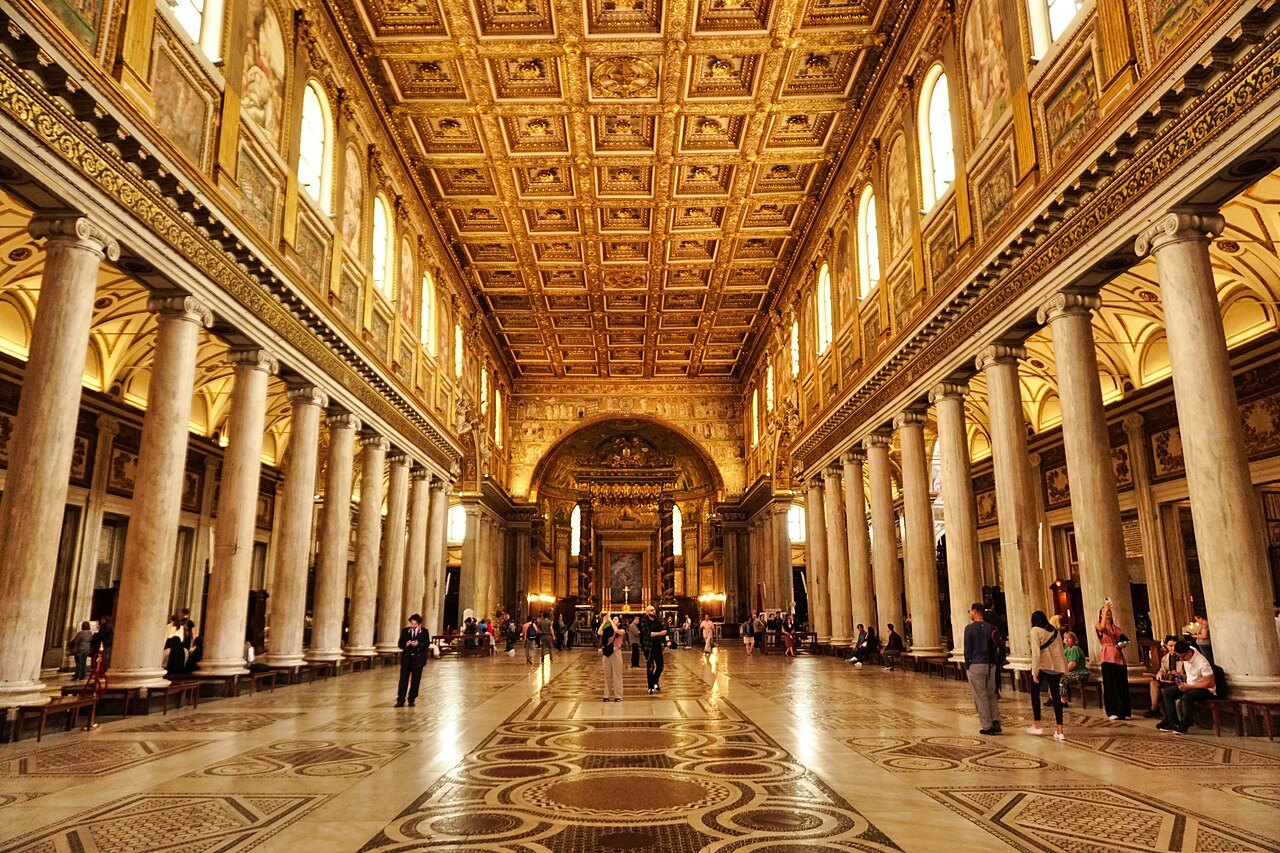
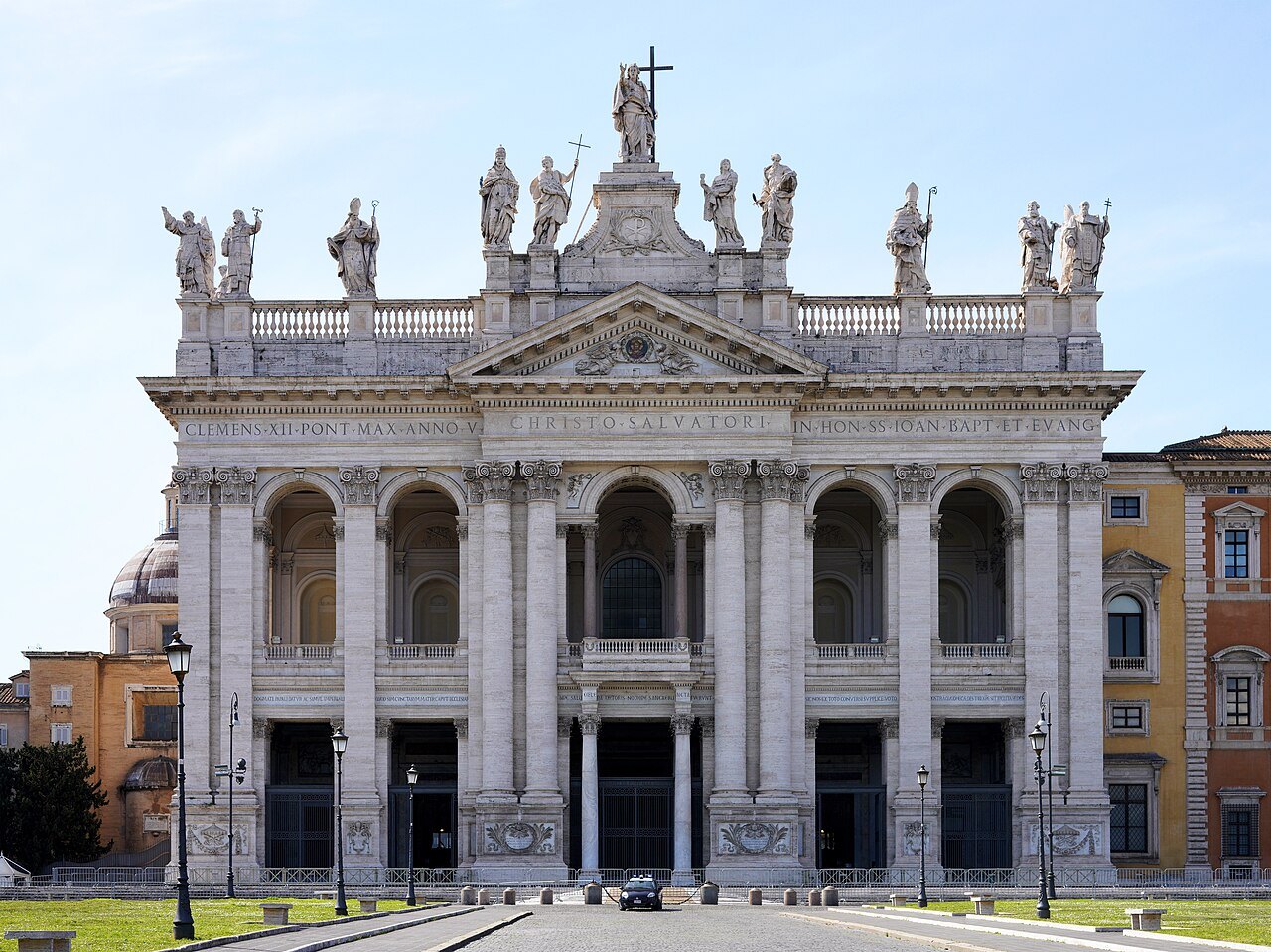
Rioni I and XV, on the eastern hills, hold two of the four major papal basilicas. Santa Maria Maggiore, consecrated in 434, keeps the mosaics of its fifth-century nave and the icon of the Salus Populi Romani. St. John Lateran, founded in 324, is the cathedral of Rome and of its bishop, the pope, with the Holy Stairs across the square. Both stand on Italian soil but belong to the Holy See.
Beyond the walls
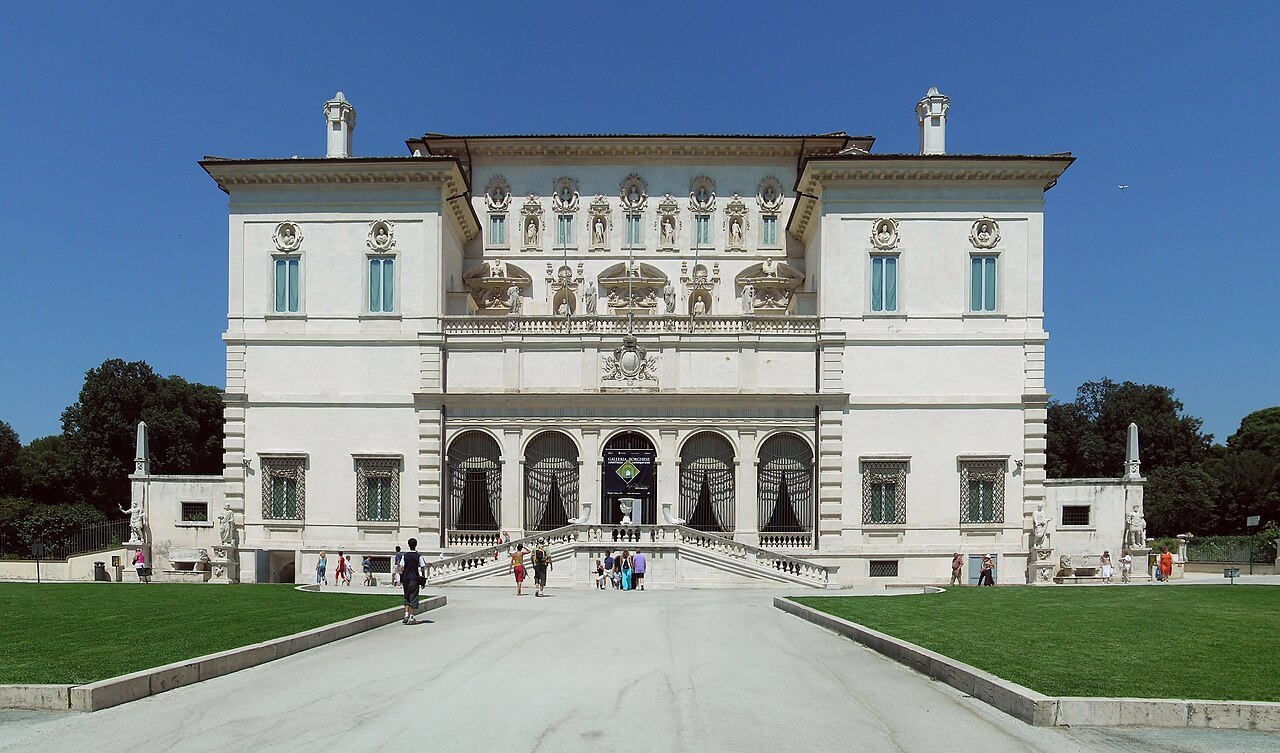
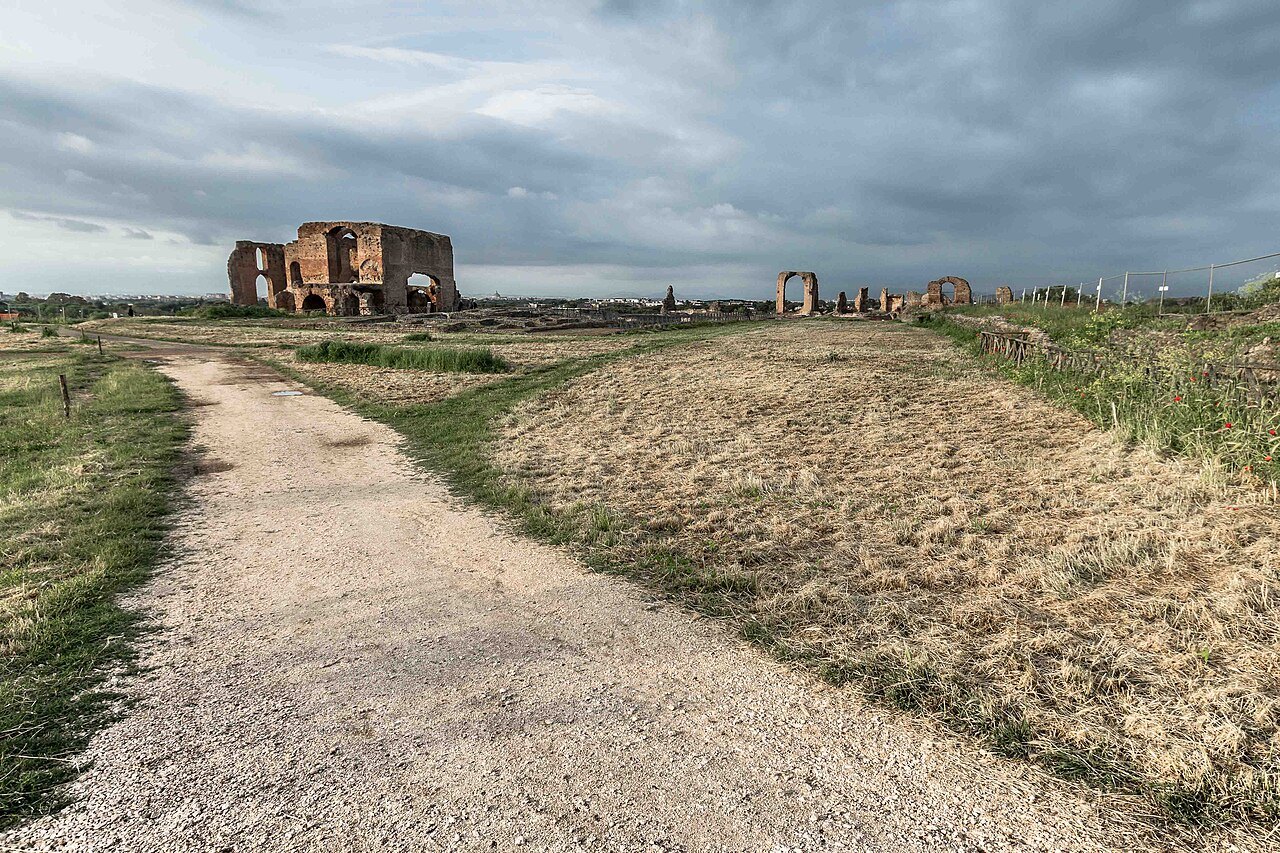
Two sights lie outside the old rioni. The Borghese Gallery, Cardinal Scipione Borghese's villa in its park beyond the Pincio, holds Bernini's marbles in the rooms they were made for, six Caravaggios and Canova's Pauline. The Appian Way, begun in 312 BC, leaves the city by the Porta San Sebastiano between tombs, catacombs and the circus of Maxentius, and can be followed on foot for miles.
Planning around them
With one day, see the ancient heart in the morning and the squares in the bend in the afternoon and evening. With two, give the second to Vatican City, arranged in advance, and end it in Trastevere. With three or more, add the pilgrim basilicas, the Borghese Gallery and the Appian Way, and let the rest of the city fill the gaps.
Check the booking ahead page before you travel: the Vatican, the Colosseum park and the Borghese Gallery are the sights where arranging tickets in advance matters most.
Eighteen pages cannot hold all of Rome. Between them lie hundreds of churches, dozens of museums, fountains on every other corner and whole rioni barely touched here, from the old Jewish Ghetto in Sant'Angelo to Testaccio on its hill of broken amphorae. The journal covers more of them over time, and the day trips page reaches the towns and ruins outside the city.
What each page gives you
Every sight page follows the same plan, so you can compare them quickly. It opens with the rione and a short list of the things to look for, then tells the story of the place and describes what you see on the ground today, followed by practical notes on visiting and a few common misconceptions set straight.
Nothing on these pages quotes a price or an opening time, because both change and the monuments' own websites keep them current. Where a rule matters, such as a dress code, a bag limit or a named ticket, it has been checked on the monument's own website, and the page says so; where an official site could not be read, the page tells you to check it yourself. The photographs are real, mostly from Wikimedia Commons, and each is credited to its photographer.