Home · Sights · The Vatican Museums and the Sistine Chapel
What you are looking at
The Vatican Museums and the Sistine Chapel
Vatican City
- IThe LaocoönThe ancient marble priest and his sons fighting the serpents, found in a Roman vineyard in 1506.
- IIThe Octagonal CourtThe courtyard where the Apollo Belvedere and the Laocoön have stood since the early 1500s.
- IIIThe Gallery of MapsPainted maps of the whole Italian peninsula along a long corridor, made under Gregory XIII.
- IVThe Raphael RoomsFour papal reception rooms frescoed by Raphael and his workshop, with the School of Athens.
- VThe Sistine ChapelMichelangelo's ceiling of 1508 to 1512 and his Last Judgment on the altar wall.
- VIThe PinacotecaThe picture gallery of 1932, with Giotto, Leonardo, Raphael's Transfiguration and Caravaggio.
The sight in full
Reading the place
Why it matters
The Vatican Museums are the public museums of Vatican City, the separate state beside Rome. They display the collection gathered by the Catholic Church and the popes over the centuries: roughly 70,000 works, of which about 20,000 are on show, including some of the best-known Roman sculptures in the world and some of the most important works of the Renaissance. In 2024 they received nearly seven million visitors, which made them the second most visited art museum in the world.
For most people the visit has one destination. The Sistine Chapel, with Michelangelo's ceiling and his Last Judgment, lies on the route through the museums and is the last room of it; so do the Raphael Rooms. Everything else, and there is a great deal of it, is on the way there.
Born from one statue
The museums trace their origin to a single marble. On 14 January 1506 a sculpture was found in a vineyard near Santa Maria Maggiore. Pope Julius II sent Giuliano da Sangallo and Michelangelo, who were working at the Vatican, to see it; on their advice he bought it at once, and a month to the day after its discovery he put it on public display. It was the Laocoön, the Trojan priest and his two sons caught by giant serpents, very likely the same group that Pliny the Elder praised and credited to three sculptors from Rhodes.
Later popes added to the collections and named museums after themselves. Clement XIV founded the Museo Pio-Clementino in 1771 and Pius VI completed it; Pius VII, born Chiaramonti, gave his name to the next; Gregory XVI founded the Etruscan museum in 1837. The museums marked their five hundredth anniversary in 2006.
The ancient sculpture
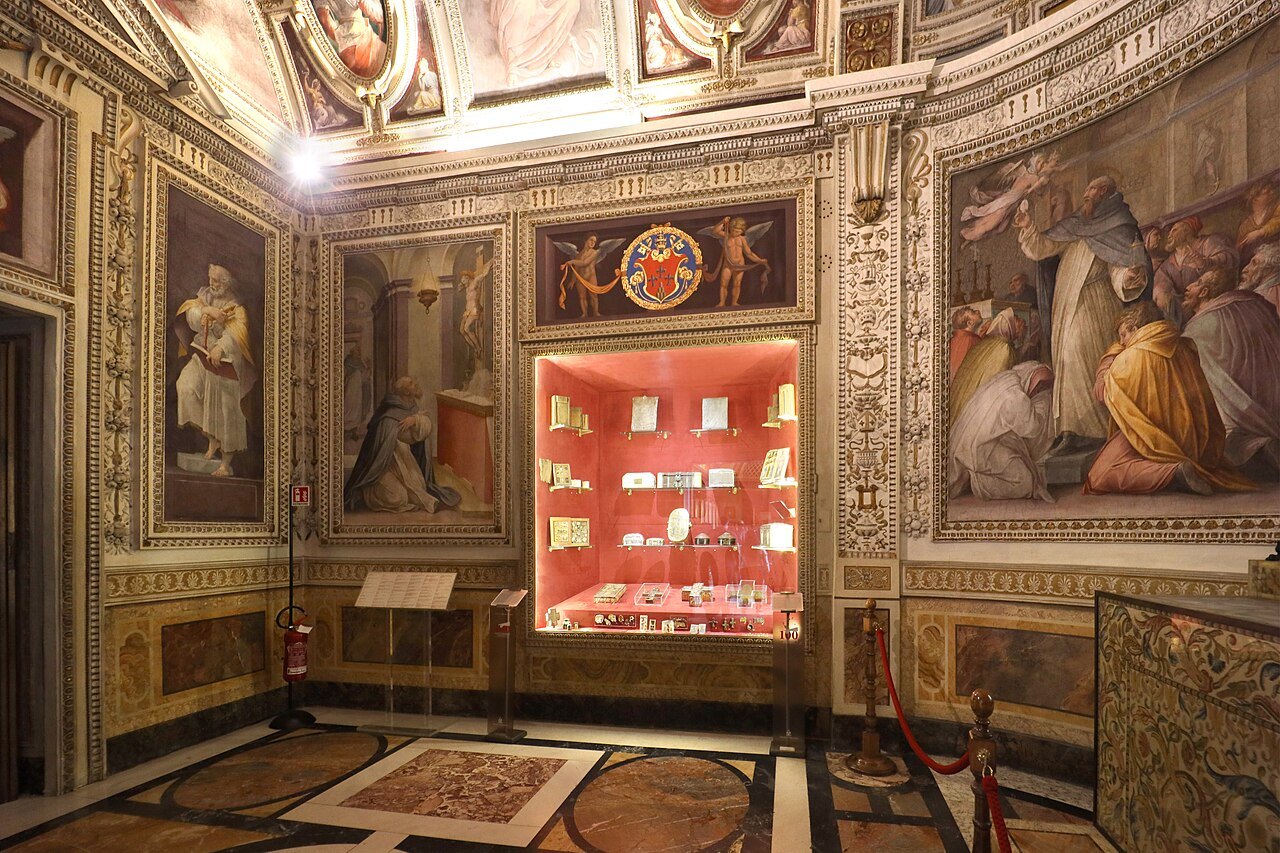
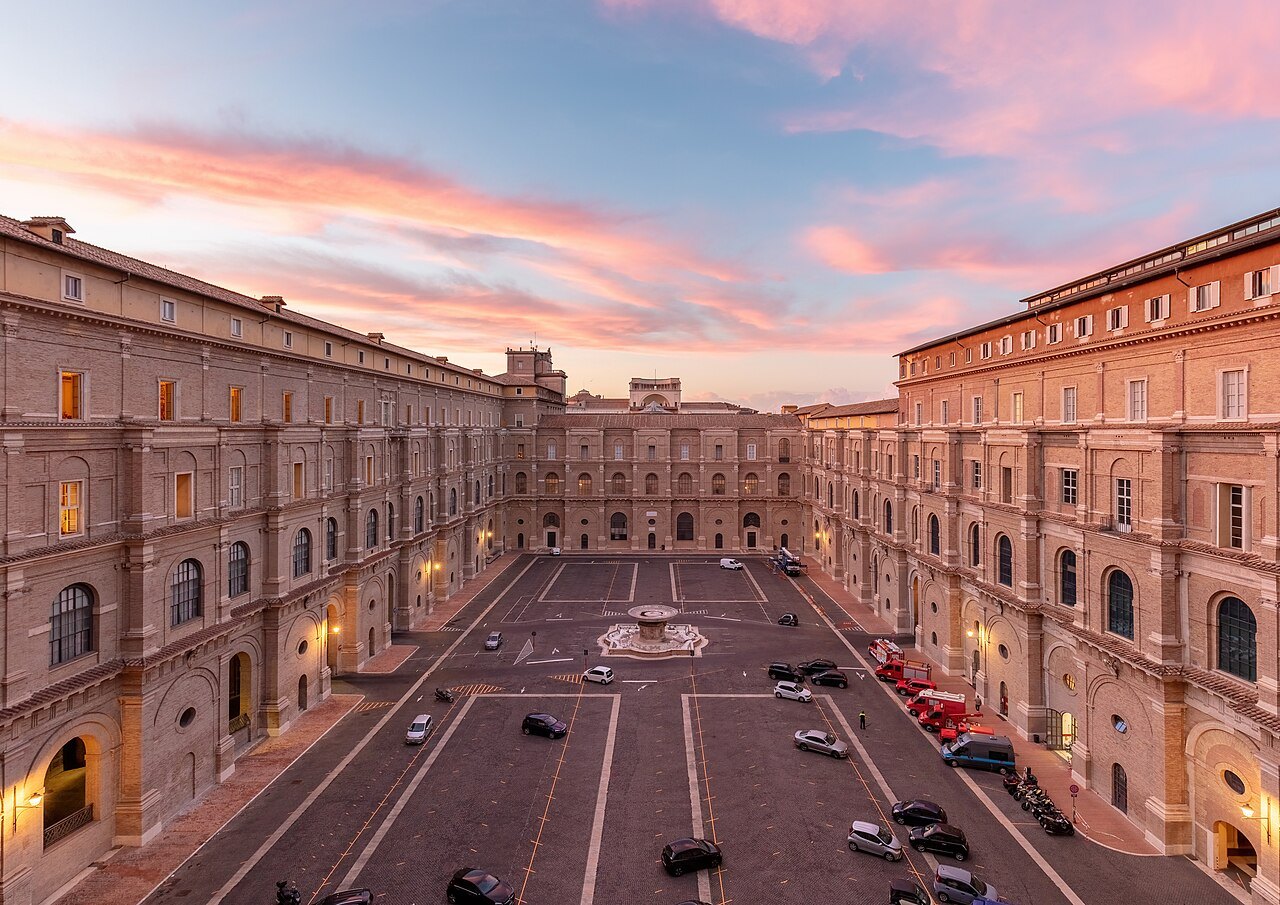
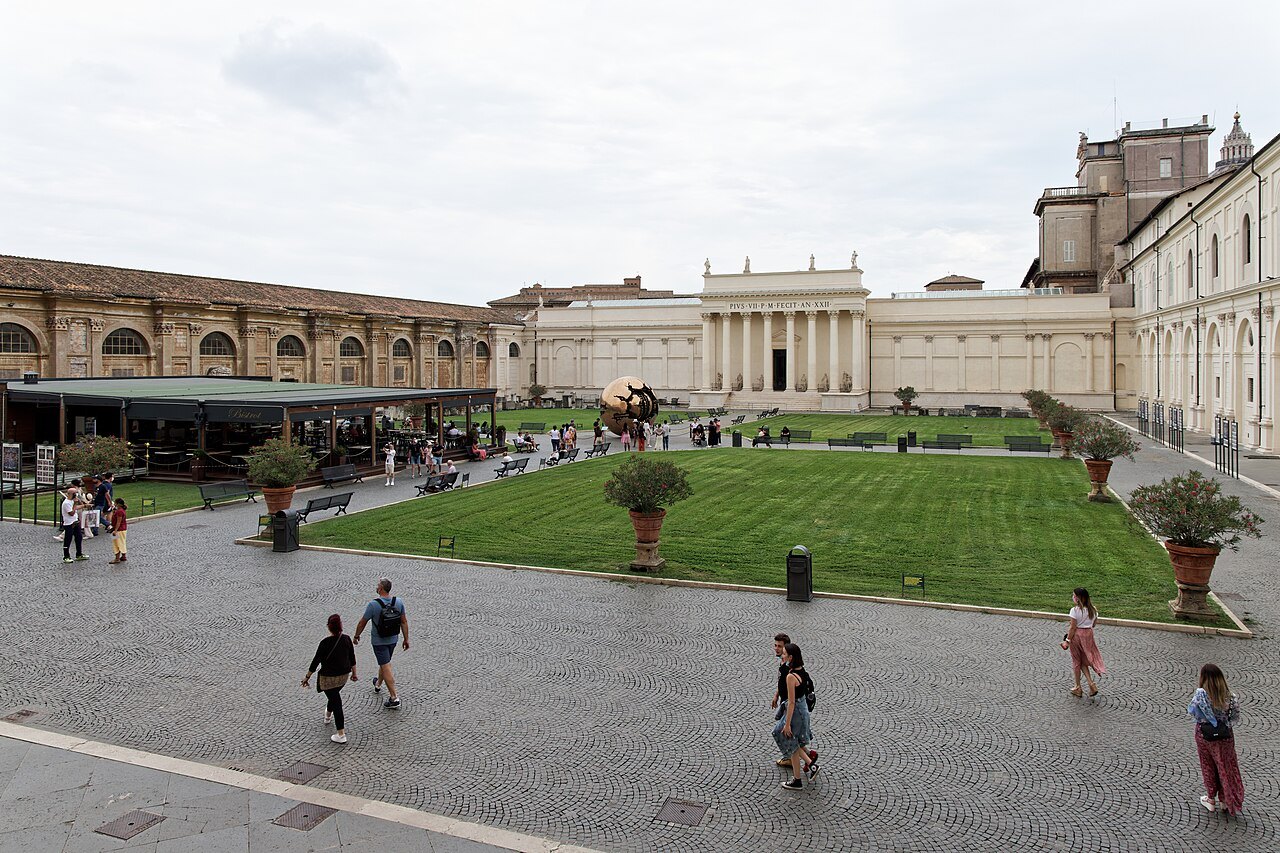
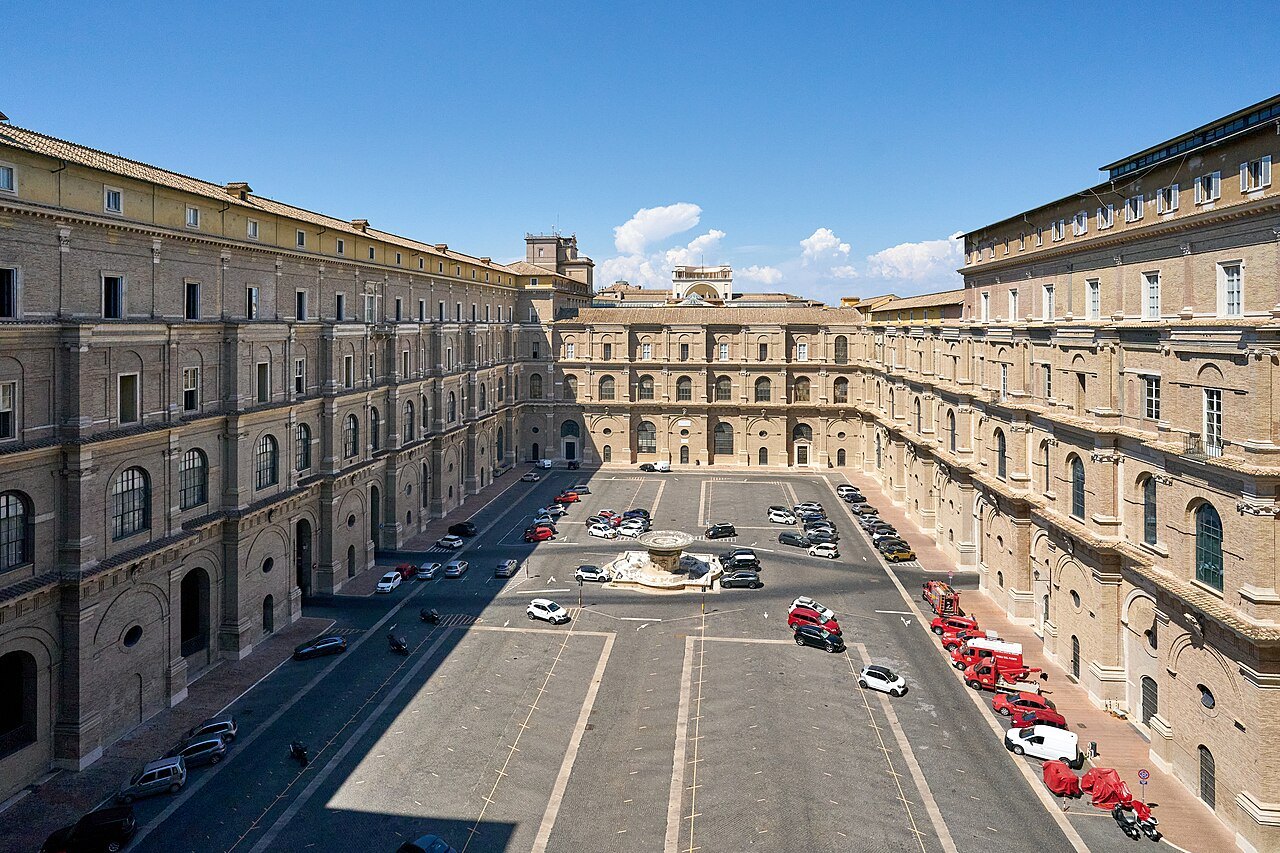
The sculpture museums surround the Belvedere courtyards. In the Octagonal Court, where some of the first ancient statues in the papal collection were shown, the Apollo Belvedere and the Laocoön have stood since the early 1500s. Nearby are the Sala Rotonda, shaped like a small Pantheon, with ancient mosaic floors and a gilded bronze Hercules; the Greek Cross Room, with the porphyry sarcophagi of Constantine's mother, Saint Helena, and his daughter Constance; and the Room of the Muses, whose centerpiece is the Belvedere Torso, the battered fragment that Michelangelo revered.
In the Braccio Nuovo, the neoclassical wing of the Museo Chiaramonti lit by skylights in its arched roof, stand the Augustus of Prima Porta and the reclining River Nile. The Etruscan museum shows vases, bronzes and sarcophagi from excavations in the old Papal State; the Egyptian museum has papyri, mummies and sarcophagi in nine rooms.
Maps and Raphael
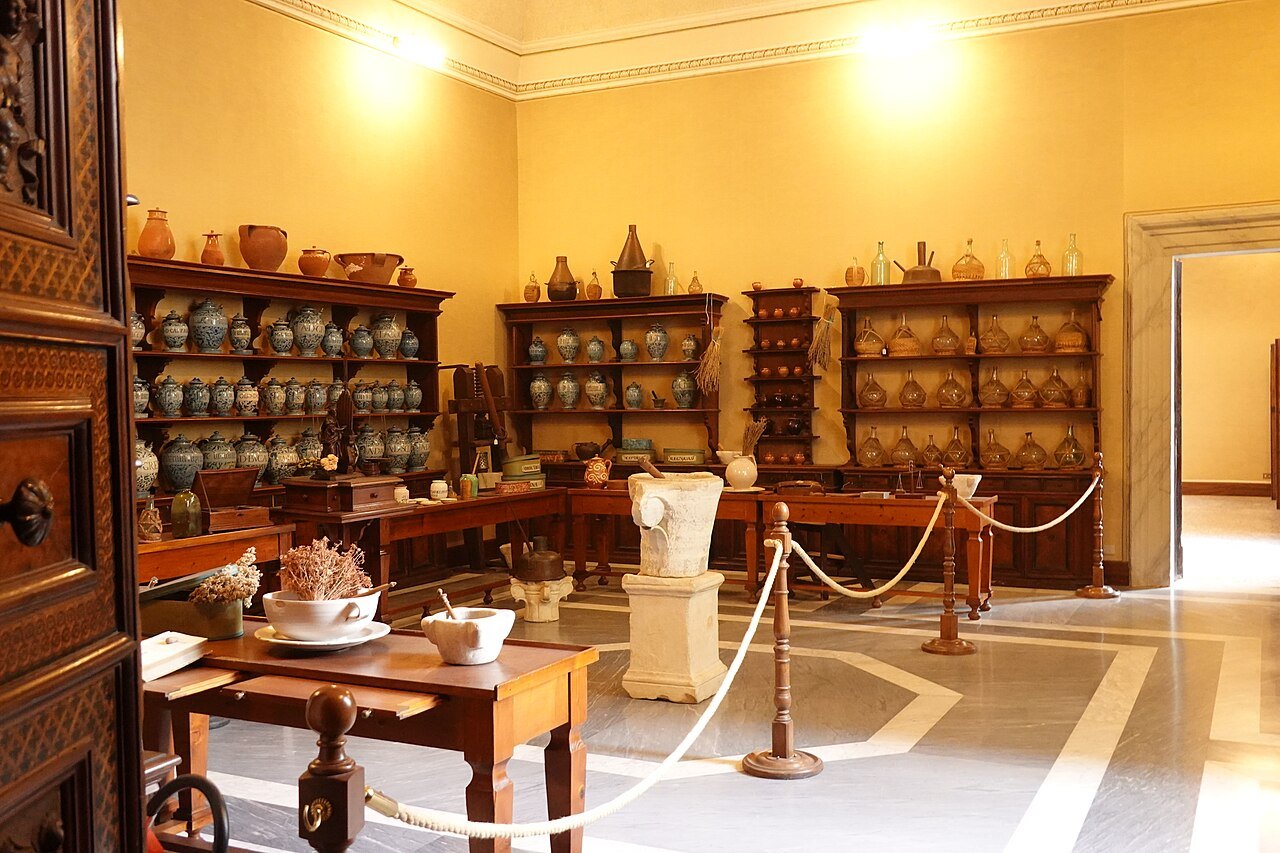
The route toward the Sistine Chapel passes through the Gallery of Maps, where the friar Ignazio Danti of Perugia painted topographical maps of the whole of the Italian peninsula for Pope Gregory XIII, still the largest painted geographical study in the world.
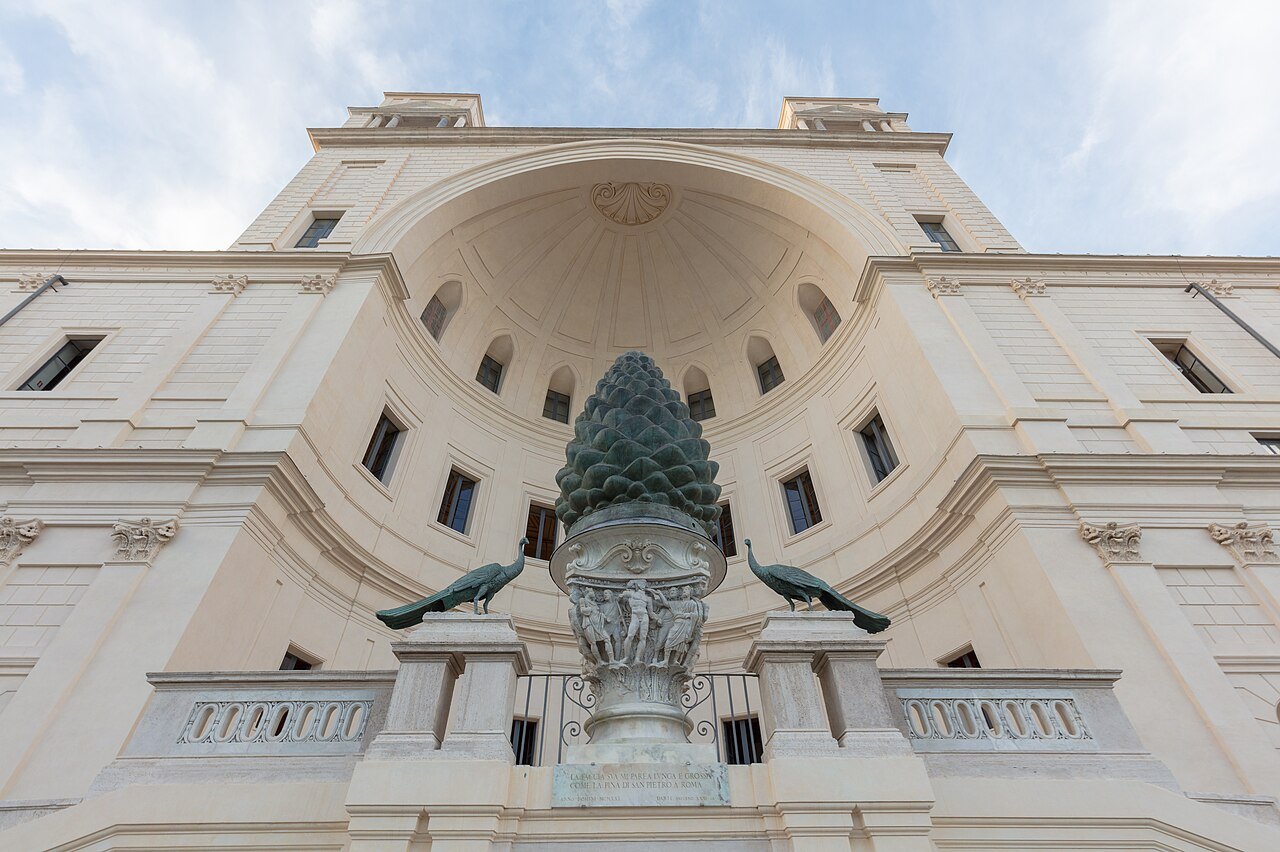
Then come the four Raphael Rooms, a suite of apartments that Julius II had Raphael, then a young painter from Urbino, redecorate from 1508 or 1509, perhaps to outshine the rooms of his predecessor Alexander VI directly below. In the Room of the Signatura, Raphael painted the Disputation of the Holy Sacrament, Parnassus with Apollo and the Muses, and the School of Athens of 1509 to 1511, in which a brooding Heraclitus leaning on a block of marble has the face of Michelangelo. His assistants finished the largest room, the Hall of Constantine, after his death in 1520.
The Sistine Chapel
The chapel takes its name from Pope Sixtus IV, who had it built between 1473 and 1481; Botticelli, Perugino, Ghirlandaio and others painted the lives of Moses and Christ on its walls. It is still a working chapel and the place where the cardinals meet in conclave to elect a new pope.
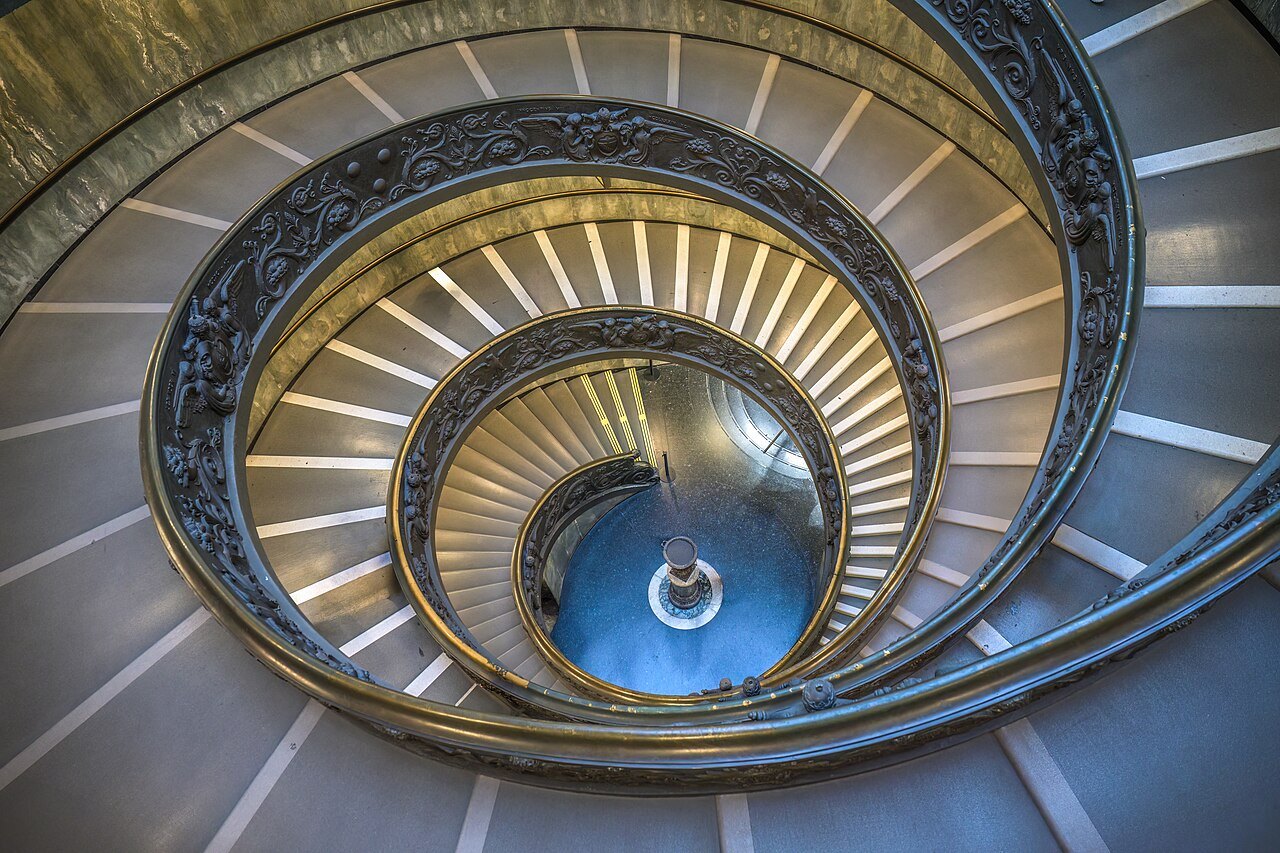
Between 1508 and 1512, for Julius II, Michelangelo painted the ceiling. At its center are nine scenes from the Book of Genesis, among them the Creation of Adam, surrounded by prophets, sibyls and nude figures in a painted architecture. More than twenty years later, after the sack of Rome, he returned and painted the Last Judgment across the whole altar wall between 1536 and 1541, for Clement VII and Paul III: more than three hundred figures around Christ, the saved rising on the left and the damned falling on the right. He was nearly sixty-seven when he finished it.
How to visit
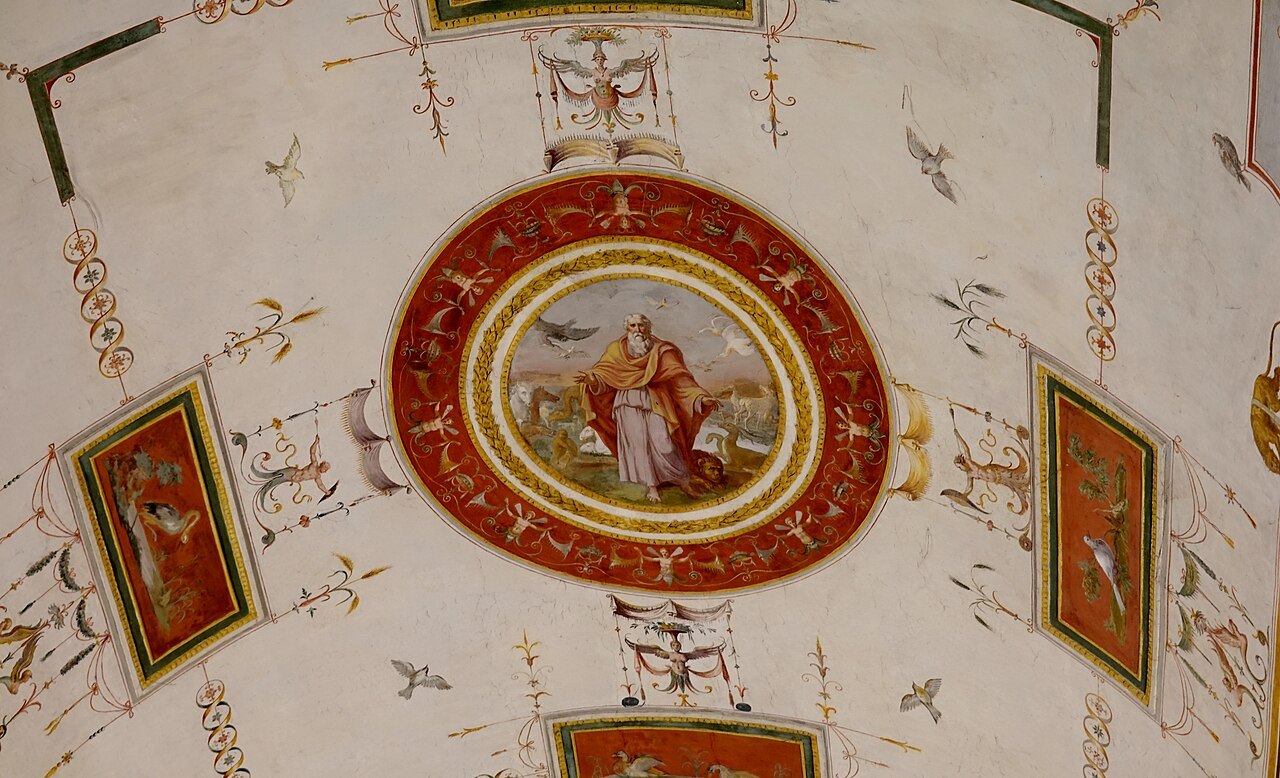
The museums' own rules are clear. The only official online ticket site is the one run by the museums, tickets.museivaticani.va, and they warn about look-alike sites; a ticket is valid only for its day and is not refundable. Booking online is optional, as tickets are also sold on the spot, but it saves waiting in line. Entry is free on the last Sunday of the month, subject to the museums' calendar of openings and closures, which is worth checking before you plan any day around them.
The dress code covers the museums, the Sistine Chapel and St. Peter's alike: nothing sleeveless or low-cut, no shorts above the knee, no miniskirts, no hats. Large bags, backpacks, umbrellas and tripods go to the free cloakroom, but if you mean to continue to St. Peter's, the museums advise against leaving anything there. Photography for personal use is allowed everywhere except the Sistine Chapel, where no photographs or filming are permitted and silence is asked; flash and selfie sticks are not allowed anywhere, and food and drink stay out of the galleries.
Myths worth setting aside
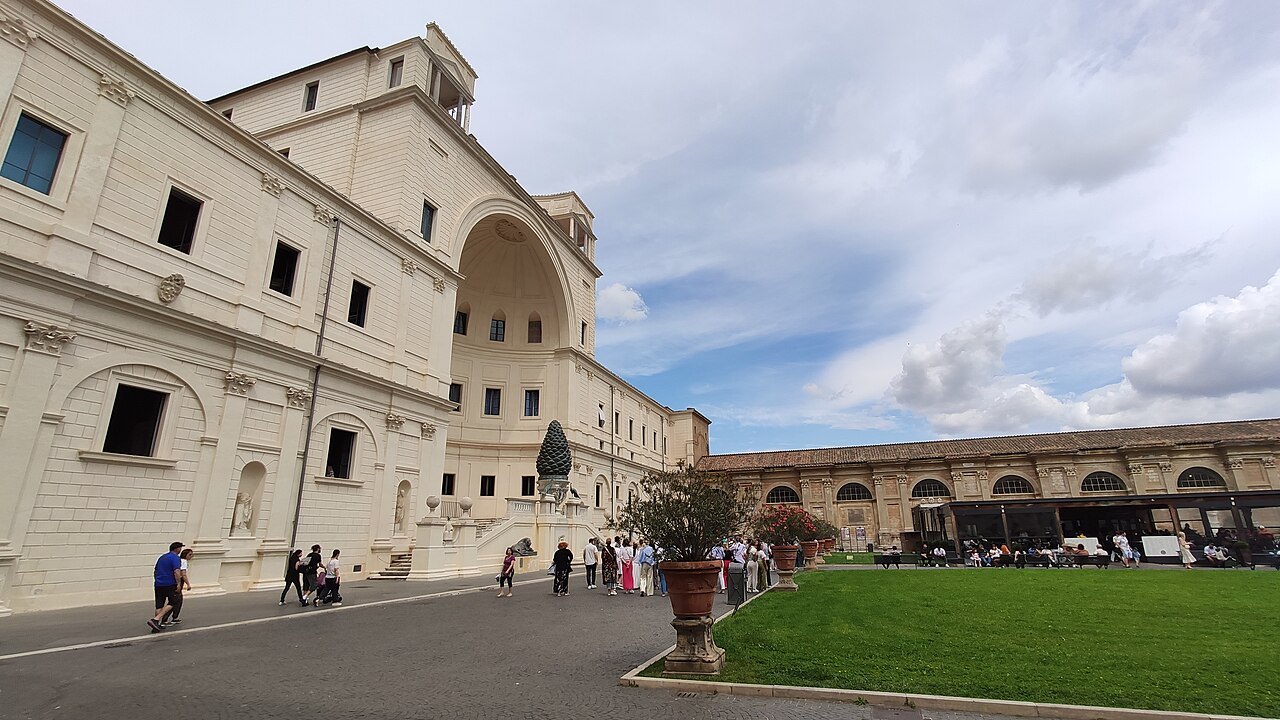
The Sistine Chapel is often imagined as a museum room. It is a consecrated chapel, and the conclave that elects each pope still meets there; the silence asked of visitors is part of that. And the museums stand in Vatican City, a separate state, although you walk into them from a Roman street.
Where to go next
Nearby
- Nearby · Vatican CitySt. Peter's Basilica and SquareBuilt from 1506 to 1626 over the traditional tomb of Saint Peter, to designs by Bramante, Michelangelo and Maderno, the largest church in the world by interior measure stands wholly inside Vatican City, a separate state, behind Bernini's colonnaded square.Read the page →
- Nearby · XIV · BorgoCastel Sant'AngeloHadrian's mausoleum, raised on the right bank of the Tiber between 134 and 139, then a fortress, a papal refuge and a prison, and since 1901 a museum, reached across the bridge Hadrian built for it, lined with Bernini's angels.Read the page →
- Nearby · XIII · TrastevereTrastevereThe thirteenth rione, trans Tiberim, beyond the Tiber: a maze of cobbled lanes between the river and the Janiculum, with one of the oldest churches to the Virgin in Rome, Raphael's frescoes in a banker's villa, and the city's best view from the hill above.Read the page →