Home · Booking Ahead
Checked with the monuments
What to book, and what not to
| What | Ahead? | What to know |
|---|---|---|
| Vatican Museums and Sistine Chapel | Book ahead | Online booking is optional but saves the line. The only official site is tickets.museivaticani.va; tickets are valid only on their day and are not refundable. |
| St. Peter's dome | Book ahead | Visited on a booked time slot, by elevator to the terrace level or by the stairs, through the basilica's own website. |
| Colosseum, Forum and Palatine | Book ahead | One archaeological park, sold online only on ticketing.colosseo.it. Tickets carry your name, and the name can be changed only once. |
| Borghese Gallery | Check the official site | A state museum: buy only from its official website and read its visiting rules there before you go. |
| Castel Sant'Angelo | Check the official site | A state museum: buy only from its official channels and check its rules before you go. |
| Pantheon | Check the official site | A working church that has charged visitors since 2023; worshippers enter free for services. |
| Trevi Fountain basin | Check the official site | Since February 2026 a ticket is needed for the steps by the water; the square is free. |
| The great squares and streets | Free to walk in | Piazza Navona, Piazza del Popolo, the Spanish Steps and Trastevere are public places, open to everyone. |
In full
Booking Ahead
Why booking matters in Rome
Rome's most visited sights draw millions of people a year: the Vatican Museums alone received nearly seven million in 2024. For a handful of them, tickets are sold by time or by name, and arriving without one can mean a long wait or no entry at all. For most of the city, though, booking is irrelevant. The squares, the fountains, the churches in daily use, the streets of the rioni and the view from the Pincio or the Janiculum cost nothing and need no plan.
This page lists what was checked on the monuments' own websites, and where a website could not be read from here, it says so and sends you to check. It does not quote prices or opening times, which change; the official sites have them.
Buy from the official site
Every paid sight in Rome is surrounded by resellers, some legitimate and some not, whose websites often look official. The Vatican Museums warn about look-alike domains and name one official ticket site, tickets.museivaticani.va. The Colosseum archaeological park sells online only on ticketing.colosseo.it and runs a form for reporting resale on unauthorized channels. The Trevi Fountain's own site is fontanaditrevi.roma.it.
A reseller's ticket may cost more, may be a guided tour you did not want, or may not carry the right name. When in doubt, start from the monument's own website and follow its links.
The Vatican
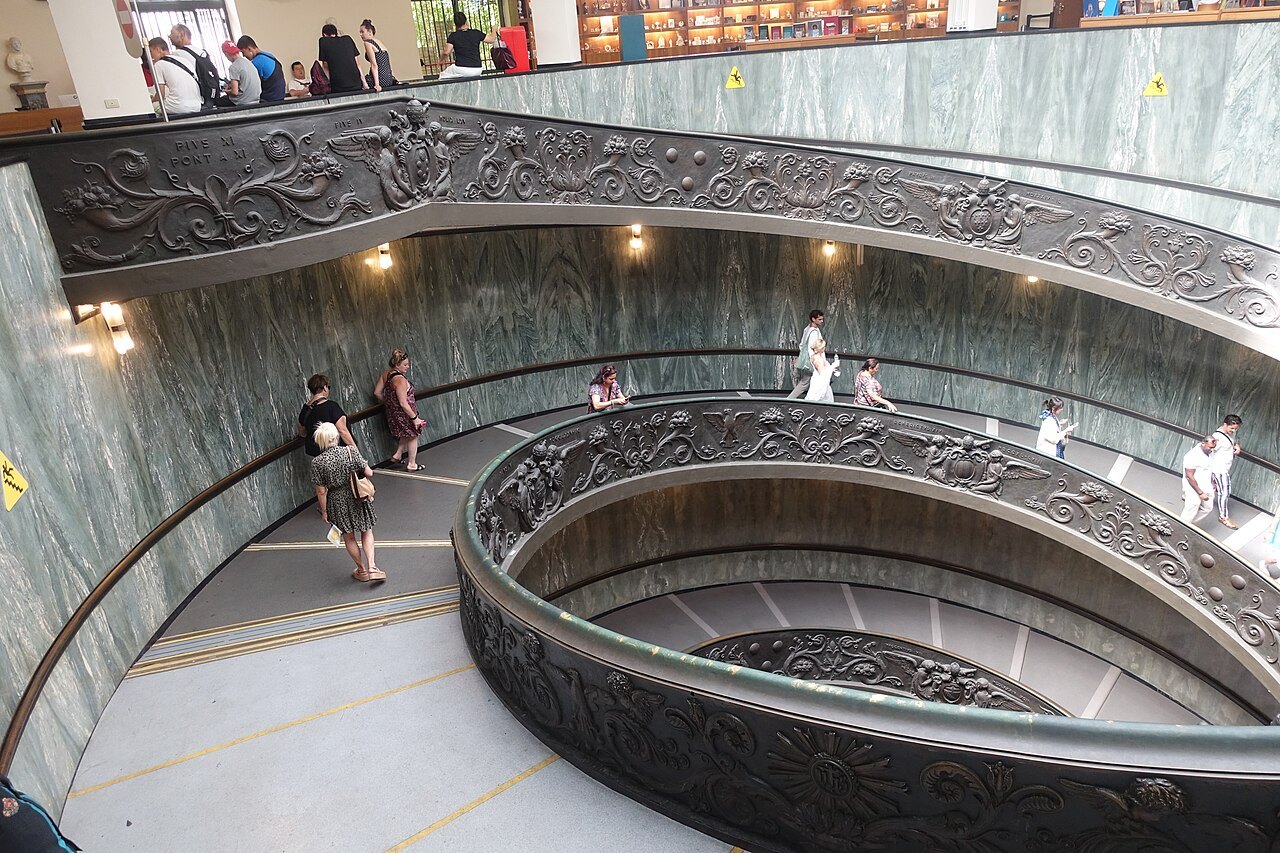
The Vatican Museums and the Sistine Chapel are in Vatican City, a separate state with its own rules. Booking online is optional, since tickets are also sold without booking, but it saves time in line. A ticket is valid only on the day it is issued and is not refundable, and entry is free on the last Sunday of the month, subject to the museums' calendar of closures, so check that calendar before planning a day around it.
St. Peter's Basilica sells its own entry and dome visits on its own website. The dome is visited on a booked time slot, with a choice of elevator to the terrace level or stairs. Guided tours of the basilica are sold only at its Tour Desk, in the Welcome Area, and a separate entrance path is kept for people coming to pray or to attend Mass.
The Colosseum, the Forum and the Palatine
The Colosseum, the Roman Forum and the Palatine Hill belong to one archaeological park, and its tickets are the most tightly controlled in the city. Online tickets are sold only on the park's own ticketing site. Each carries the visitor's name, and the park allows a name to be changed only once, in a few listed cases and no later than the seventh day before the visit, so enter every name exactly as it appears on the traveler's ID.
Check what a ticket covers before you buy it. The arena floor, the underground and the upper levels are sold as separate routes, and not every ticket includes them.
State museums to check yourself
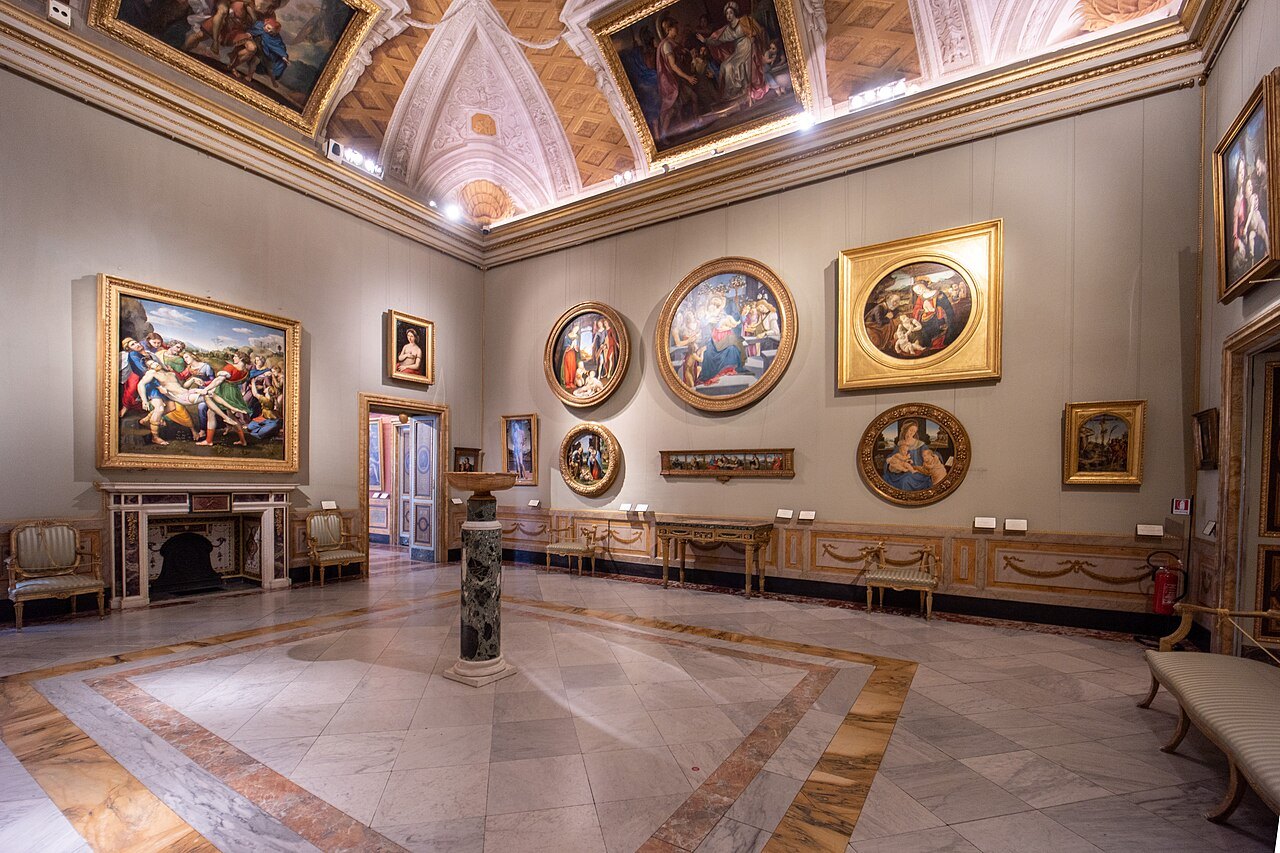
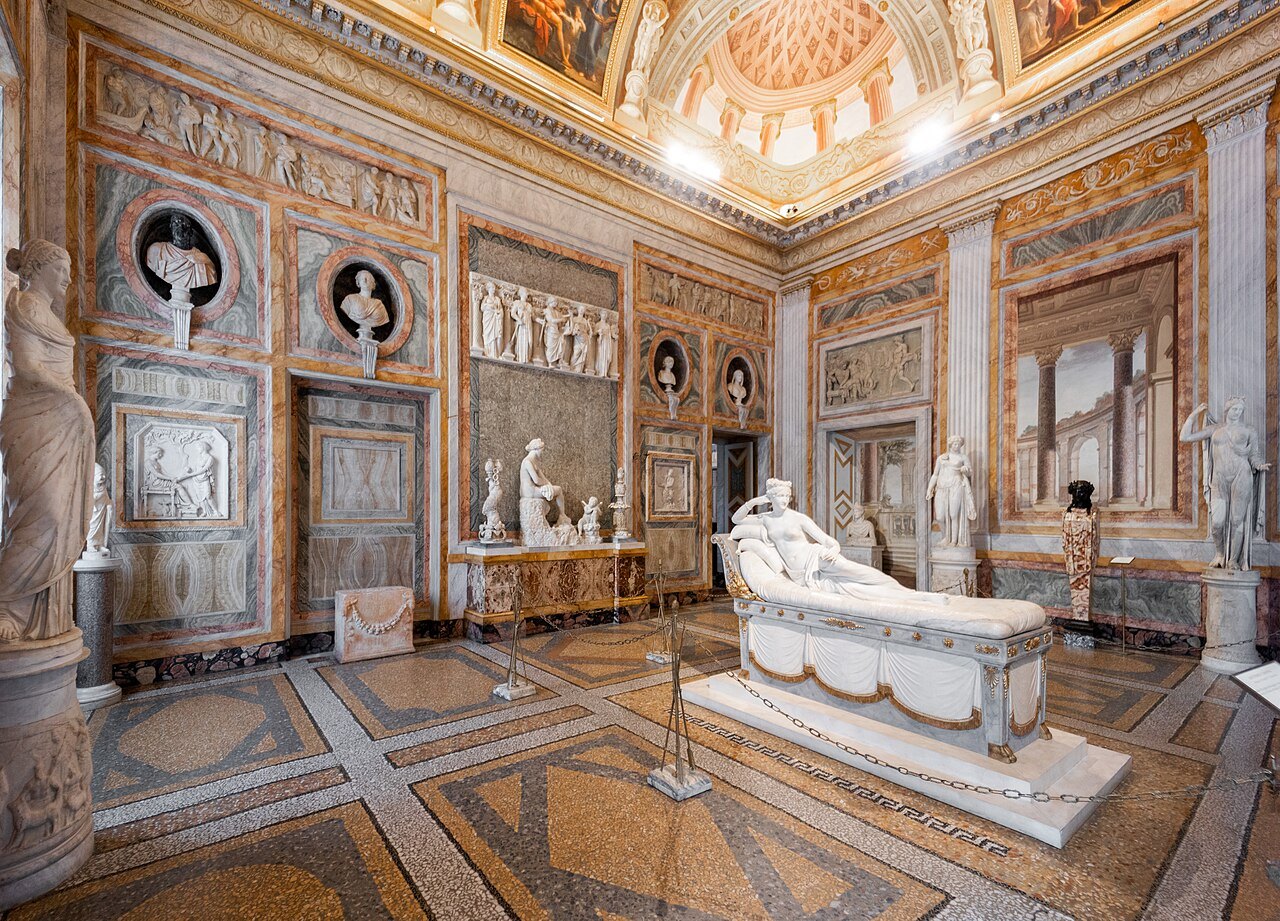
The official websites of the Borghese Gallery and of Castel Sant'Angelo, both state museums, could not be read when this page was written, so this site makes no claim about their rules. Buy only from their official channels, reached through the Italian culture ministry's pages, and read their visiting rules before you go, including how long a visit lasts and what you may carry inside. The Borghese Gallery is small, with twenty rooms on two floors, so check it early in your planning.
The Capitoline Museums are run by the city of Rome, whose website posts notices when rooms close for work.
Churches and the Pantheon
The great churches of Rome are places of worship first. The Pantheon, a church since 609, has charged visitors since July 2023, while those coming to pray keep free access for services. St. Peter's, Santa Maria Maggiore and St. John Lateran all ask for covered shoulders and knees, and St. Peter's has no cloakroom, so bring only a small bag.
Mass and services take priority over sightseeing everywhere. Visit outside them where you can, and step quietly when one is under way.
The Trevi Fountain
Since 2 February 2026, a ticket has been needed to go down into the basin area of the Trevi Fountain, the steps beside the water. The fountain is always visible from the square without one. Tickets are sold on the fountain's official site, at the city's tourist info points and civic museums, and at the entrance by card only, and residents of Rome, young children and disabled visitors with a companion enter free. Inside the basin area there is no eating, drinking, smoking or sitting on the edge, and the traditional coin is the only thing you may throw.
Passes, bags and arrival days
Rome has a city culture card, the Roma Pass, sold for two or three days, which combines public transport with entry to museums; ATAC, the city transport company, lists it with its own tickets. Read what it covers on its official page before buying, and compare it with the handful of sights you actually mean to see.
Plan your bags as carefully as your tickets. The Vatican Museums have a free cloakroom for large bags, backpacks, umbrellas and tripods, but St. Peter's has none, and the museums advise anyone continuing to the basilica not to leave anything in their cloakroom. On the day you arrive or leave, leave your luggage at the hotel or a luggage service rather than carrying it to a sight. Photography for personal use is allowed in the Vatican Museums except in the Sistine Chapel; St. Peter's asks visitors not to photograph at all.
What never needs a ticket
Much of Rome's best is free. Piazza Navona and its fountains, Piazza del Popolo and the Pincio terrace, the Spanish Steps, the Campidoglio designed by Michelangelo, the lanes of Trastevere and the gardens of the Villa Borghese are public places. The old Appian Way is a road you can walk for miles, and the Janiculum above Trastevere gives one of the best views of the city's domes.
On the Spanish Steps, remember that a city ordinance of 2019 forbids sitting and eating on them.
Seen on the way
More photographs
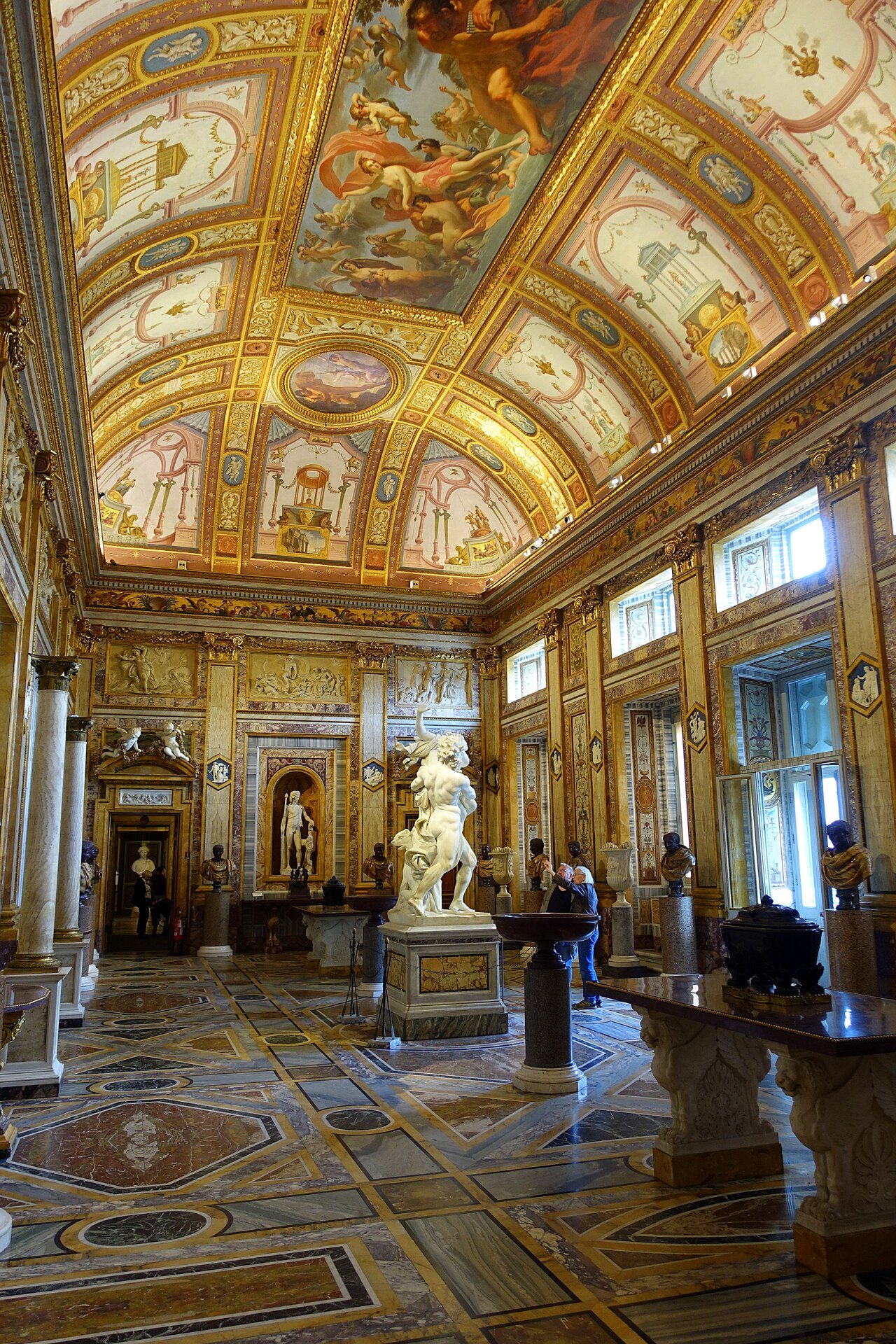
The Room of the Emperors in the Borghese Gallery, with Bernini's Pluto and Proserpina in the middleDaderot, Wikimedia Commons, Public domain 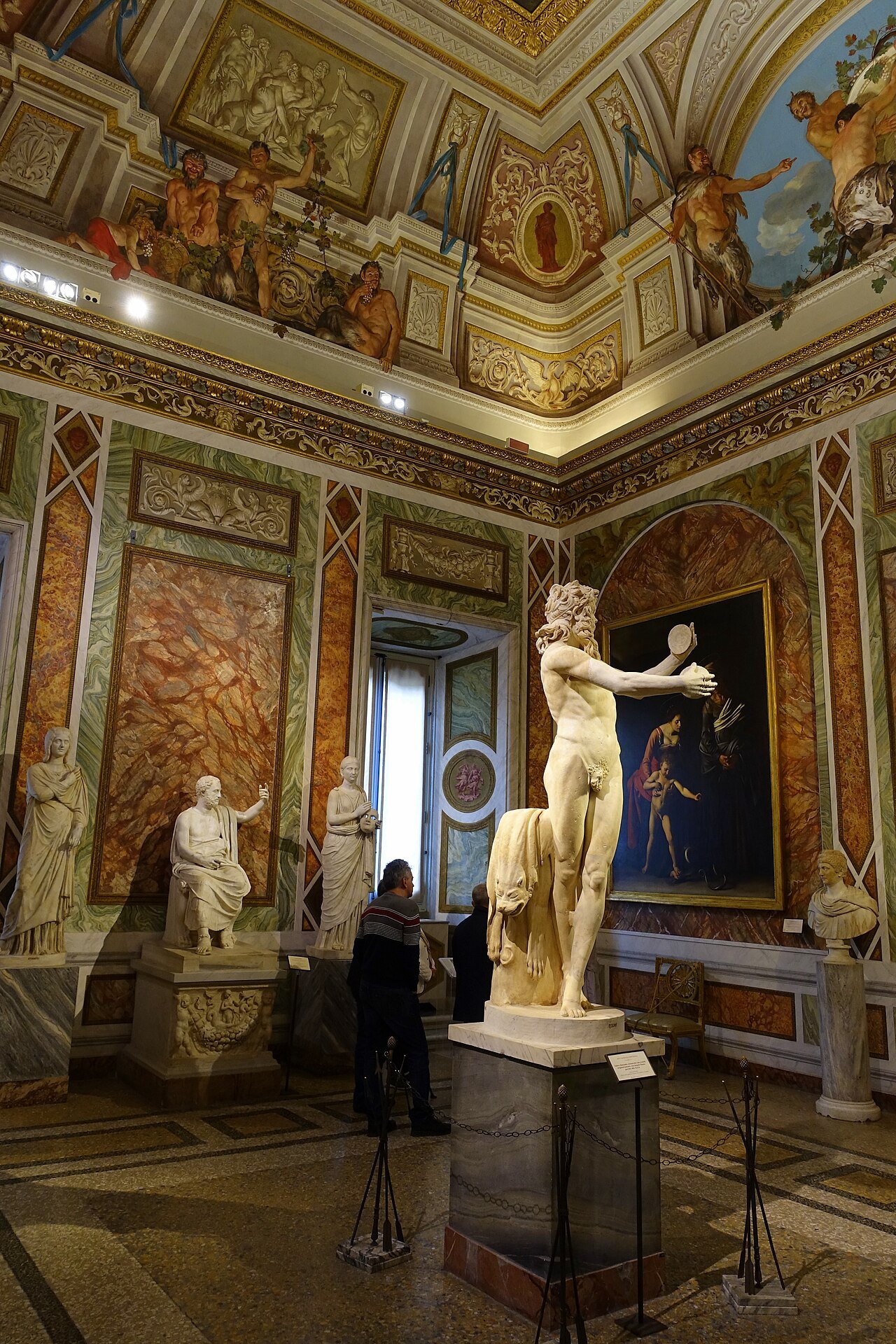
The Room of Silenus in the Borghese Gallery, a marble satyr in front of paintings on colored wallsDaderot, Wikimedia Commons, Public domain