THE PAPAL STATES, THE ROMAN QUESTION AND THE TREATY OF 1929
Why is Vatican City a separate country?
St. Peter's and the Vatican Museums stand in the smallest country in the world, not in Italy. How a thousand years of papal rule ended in 1870, why the popes called themselves prisoners, what the Lateran Treaty of 1929 created, and what the border means for a visitor today.
The answer in full
Read on
The short answer
Vatican City is an independent state because a treaty says so. The Lateran Treaty, signed on 11 February 1929 between the Holy See and the Kingdom of Italy, recognized it as an independent state under the sovereignty of the Holy See, and it settled a quarrel that had lasted since Italy took Rome from the pope in 1870.
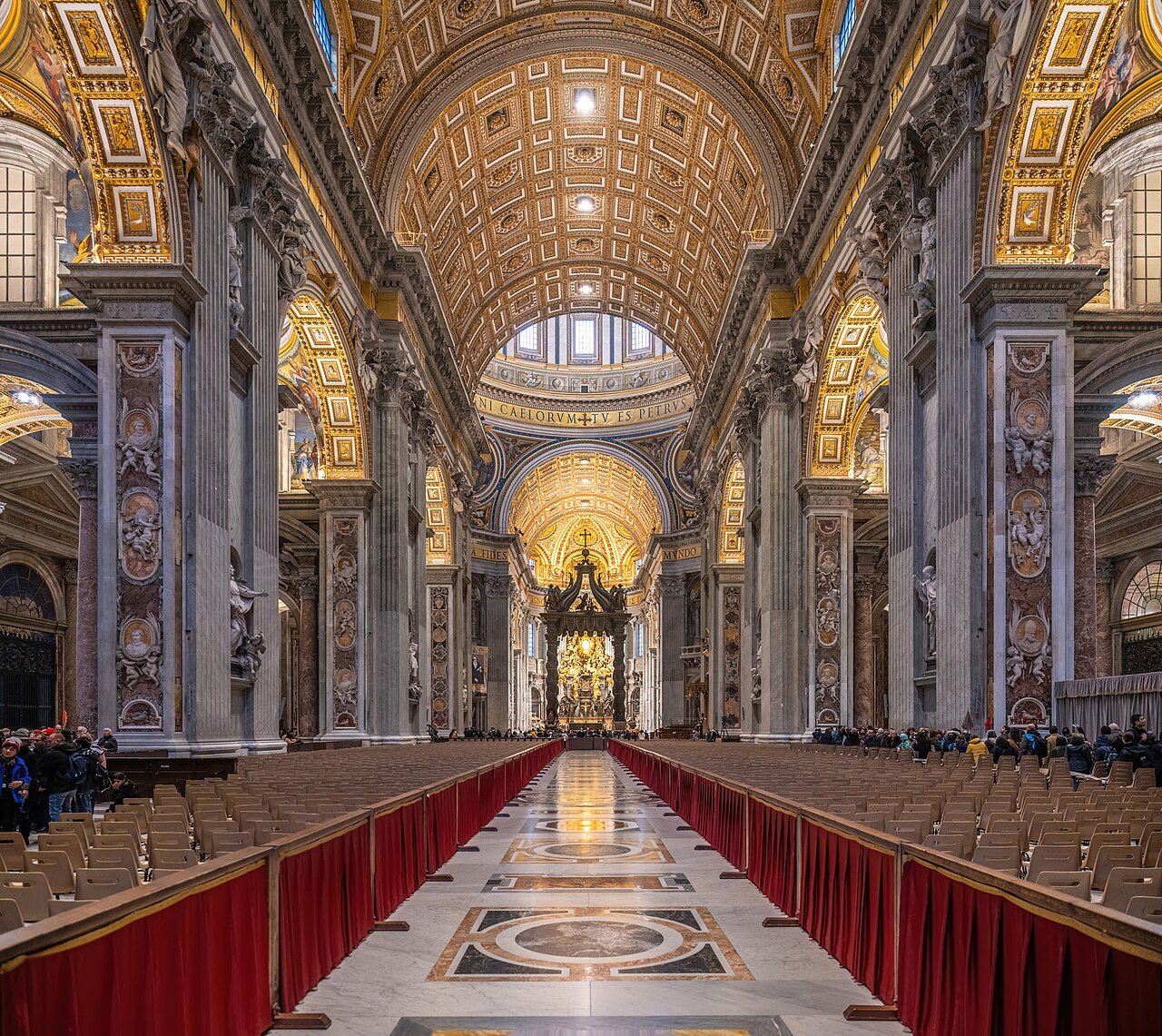
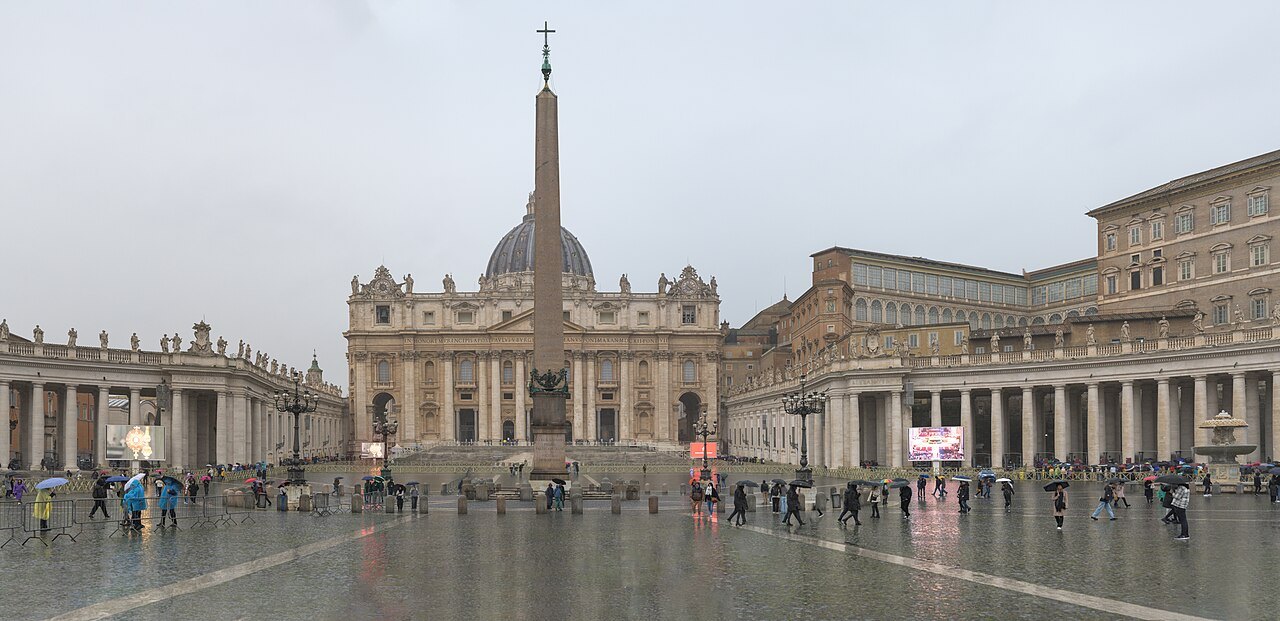
The state is tiny: about 109 acres, with fewer than a thousand residents, the smallest country in the world by area and by population. It is ruled by the pope and governed by the Holy See, which is itself a sovereign entity under international law. For a visitor, that is why St. Peter's Basilica and the Vatican Museums have their own rules, their own tickets and their own guards.
A thousand years of Papal States
The popes were not always only spiritual leaders. Over the early Middle Ages they gradually took on a secular role as governors of the lands around Rome, and for more than a thousand years, from 756 until 1870, they ruled the Papal States, a territory that covered much of central Italy. The pope was a king as well as a bishop, with an army, a treasury and a capital.
The popes did not always live at the Vatican. After their return from Avignon in the fourteenth century they mostly lived in the Apostolic Palace beside St. Peter's, but they also used the Quirinal Palace on the other side of the city, which became their residence in the late sixteenth century. The Vatican area had its own walls from the ninth century, when Pope Leo IV enclosed it after raiders sacked old St. Peter's, and later popes built stronger ones.
1870 and the prisoner in the Vatican
In the nineteenth century, the movement to unite Italy swallowed the Papal States one piece at a time. On 20 September 1870 Italian troops breached the Aurelian Walls near the Porta Pia and took Rome for the new Kingdom of Italy. In 1871 the Quirinal Palace was confiscated by the king and became the royal palace, and from then on the popes lived within the Vatican walls, where the new state left them undisturbed.
Pope Pius IX, the last ruler of the Papal States, refused to accept the loss. Italy's Law of Guarantees of 1871 offered him the use of the Vatican and Lateran palaces and a yearly income, but not sovereignty, and he would not take it. He withdrew behind the Vatican walls and called himself a prisoner in the Vatican, and his successors did the same. For sixty years relations between the papacy and Italy were hostile, and the problem of the pope's sovereignty became known as the Roman question.
The Lateran Treaty
Negotiations began in 1926 between the Holy See and the Italian government of Benito Mussolini, and they ended in the Lateran Pacts, signed on 11 February 1929 in the Lateran Palace, beside St. John Lateran, for King Victor Emmanuel III and for Pope Pius XI. There were three parts: a treaty of conciliation, a financial convention and a concordat.
The treaty created the state of Vatican City and guaranteed the Holy See full and independent sovereignty; it spoke of the new state as a creation, not as a remnant of the old Papal States. The financial convention compensated the Church for the loss of those states, for less than Italy had offered in 1871. The concordat set out the Church's place in Italy and was revised in 1984, when Catholicism stopped being the sole state religion; the state of Vatican City was unaffected.
What the treaty drew
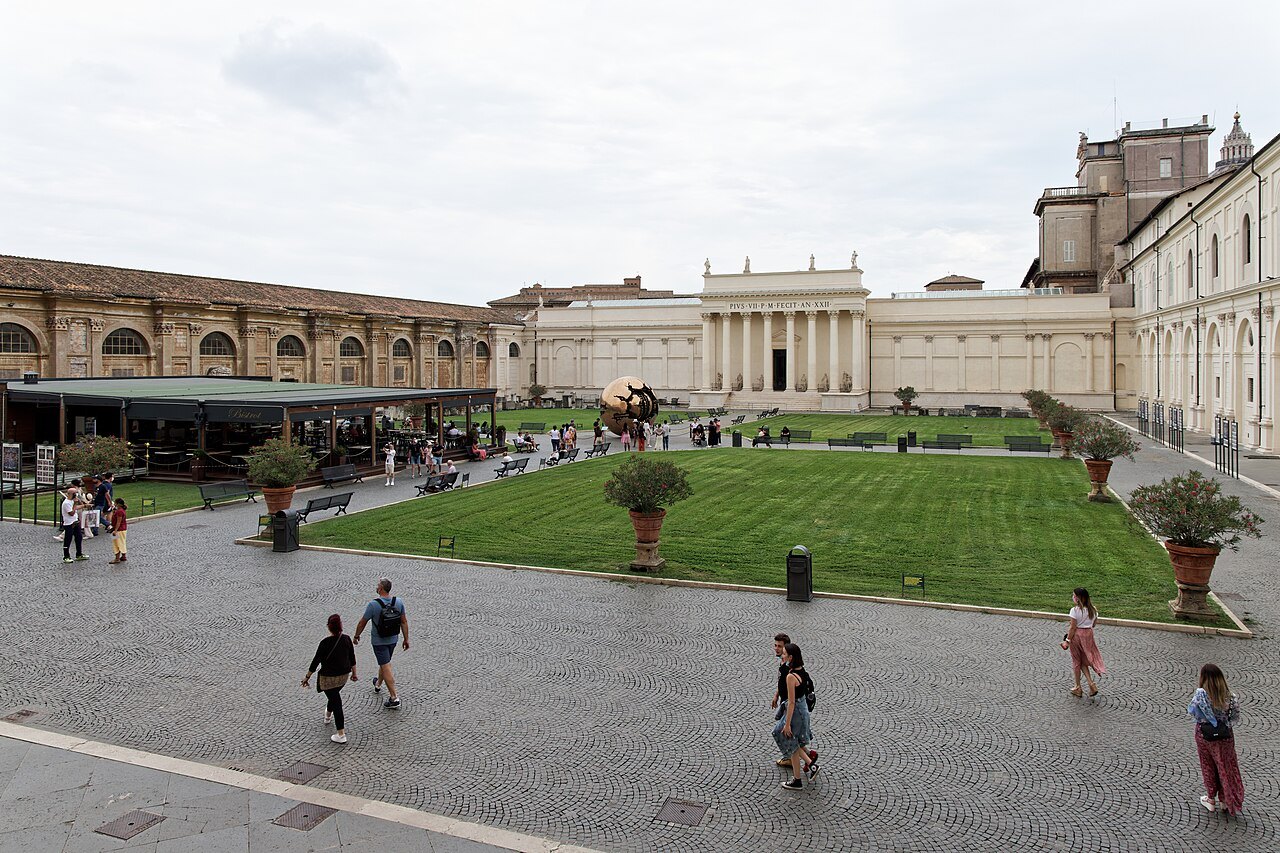
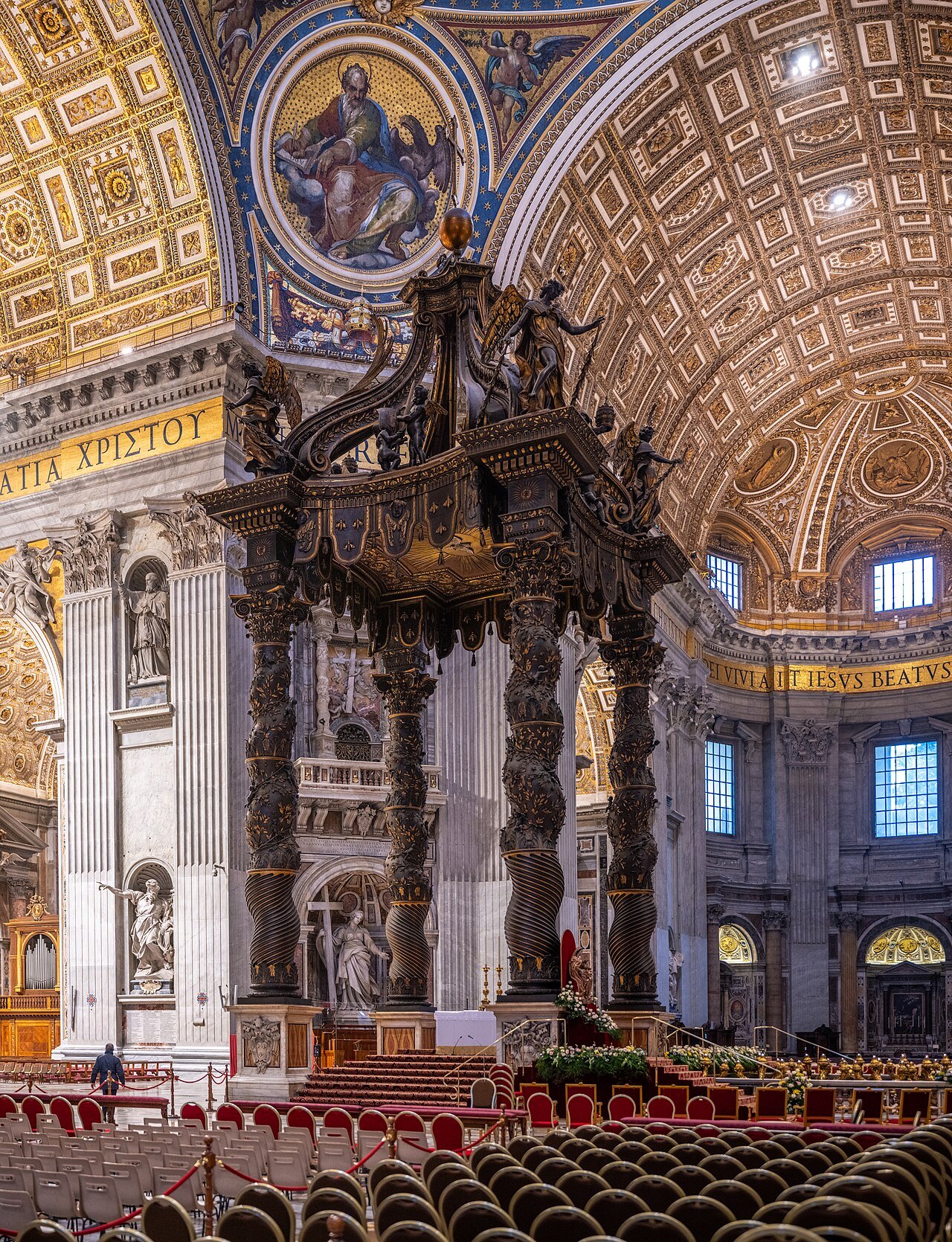
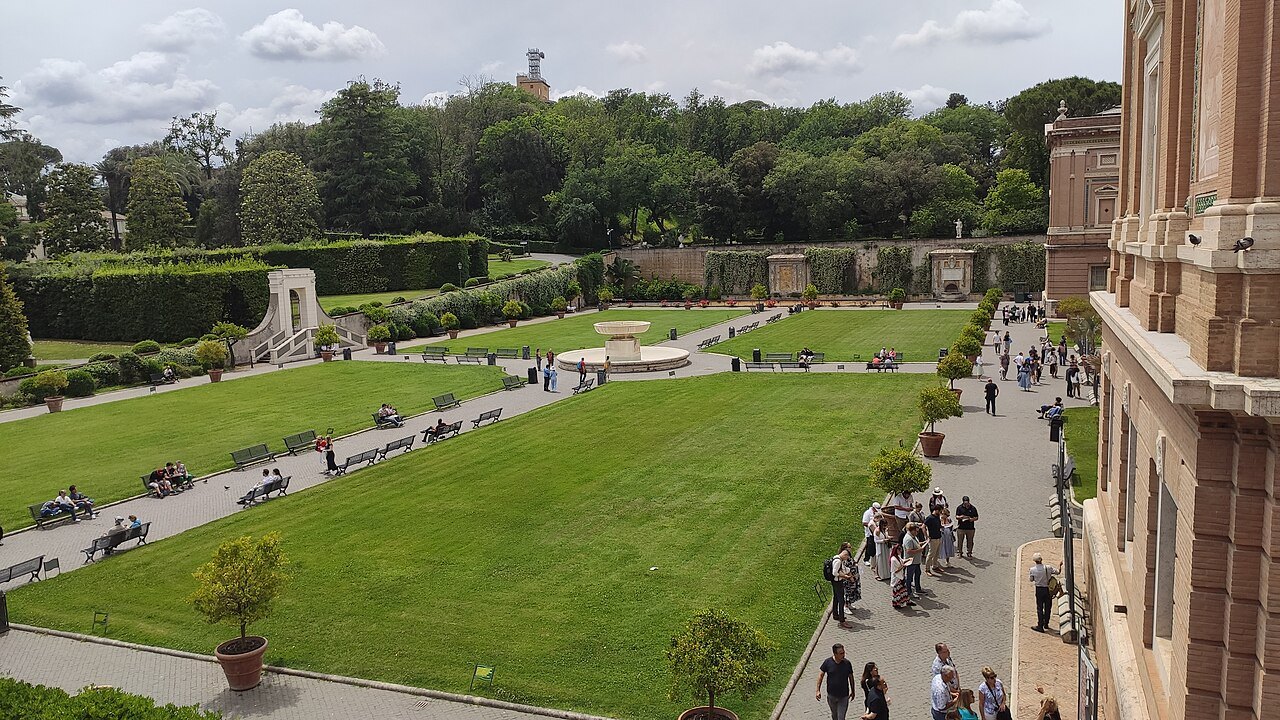
The new state covered the basilica, St. Peter's Square, the Apostolic Palace, the museums and the gardens, which alone take up about half its area, within walls on the north, south and west. The treaty also gave a list of buildings outside the state a special status, like that of foreign embassies: the major basilicas of Rome, among them St. John Lateran and Santa Maria Maggiore, and the papal palace at Castel Gandolfo in the Alban Hills. Those buildings belong to the Holy See but stand on Italian soil.
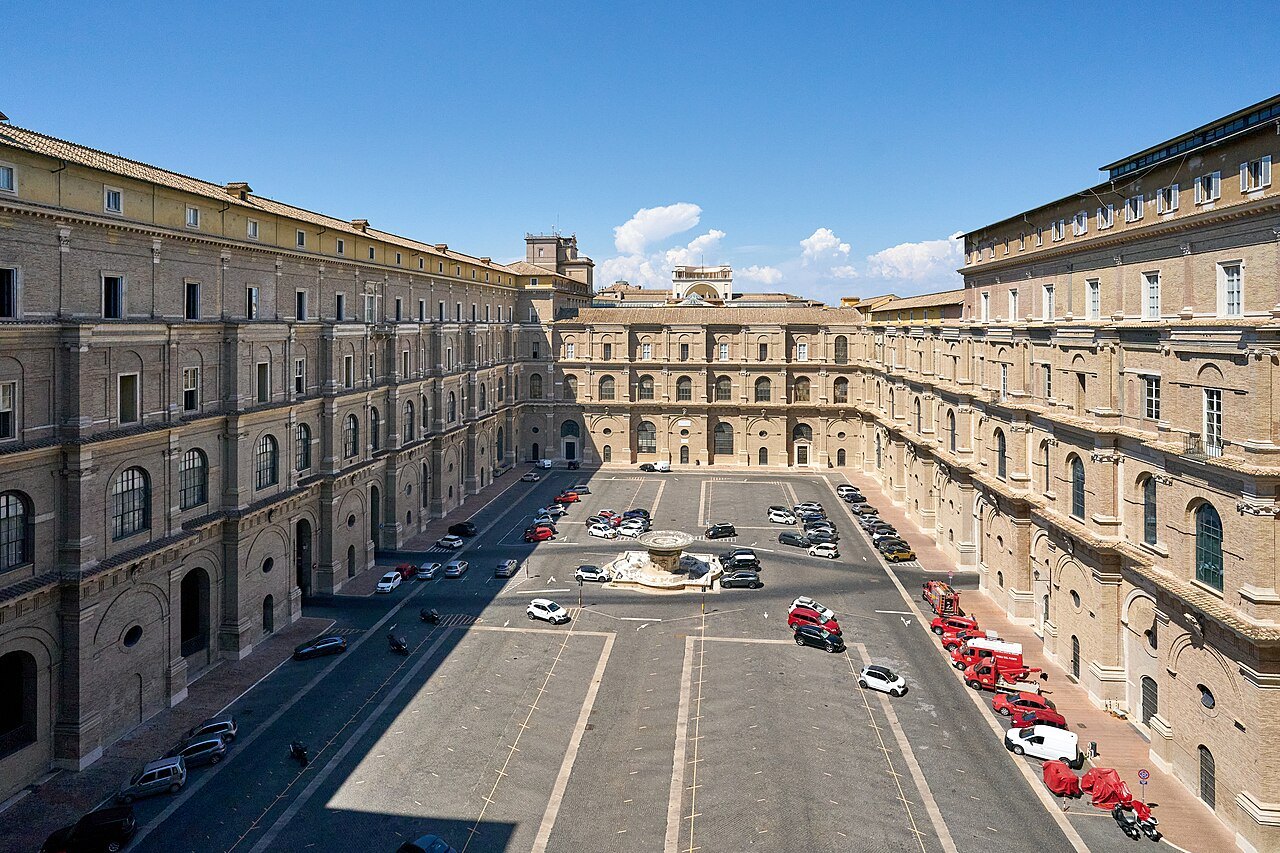
To mark the settlement, the long straight Via della Conciliazione, the road of the conciliation, was built to join the Vatican symbolically to the heart of Rome.
What the border means for a visitor
There are no passport controls for visitors entering Vatican City from the surrounding city; you simply walk in. The open side of the state is St. Peter's Square, which is Vatican territory but, up to the steps of the basilica, is normally patrolled by Italian police. Inside the basilica and the museums, the Vatican's own rules apply.
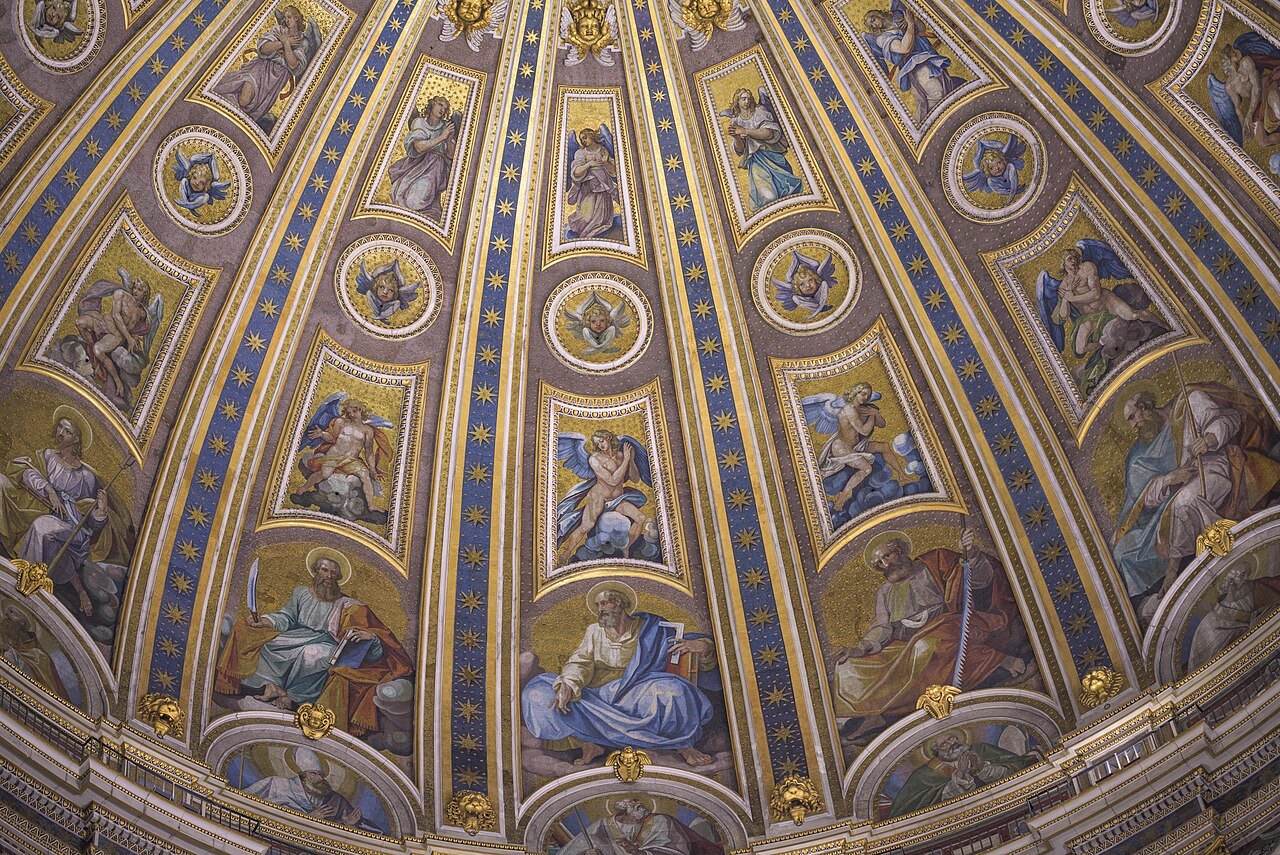
Those rules are strict and shared. Across the museums, the Sistine Chapel and St. Peter's there is one dress code: nothing sleeveless or low-cut, no shorts above the knee, no miniskirts, no hats. The basilica has no cloakroom, so bring only a small bag, and the museums advise anyone going on to the basilica not to leave bags in their cloakroom. Photography for personal use is allowed in the museums but not in the Sistine Chapel, and the basilica asks visitors not to photograph at all.
The state's own details
Vatican City uses the euro under an agreement with the European Union and issues its own euro coins in small numbers, prized by collectors because they are rare. It has its own railway station, used mainly for freight and joined to the Italian network by a short spur, and its own radio station, organized by Guglielmo Marconi, which broadcasts around the world.
It is guarded by the Pontifical Swiss Guard, founded in 1506 and among the oldest military units still in service, whose new recruits are sworn in each year on 6 May, the anniversary of the Sack of Rome in 1527. It is one of the few widely recognized states that is not a member of the United Nations; the Holy See, which is distinct from the state, has permanent observer status there.
The Vatican City page sets out the practical side of a visit, and the booking ahead page covers tickets.
Read next
More from the journal
- The RioniWhy are the districts of Rome called rioni?Old Rome is divided into twenty-two rioni, numbered from Monti to Prati, and their names are carved at street corners. Where the word comes from, how fourteen ancient regions became twenty-two modern districts, what the 1744 plaques are, and how to use the numbers to find your way.Read the piece →
- Getting AroundHow does the Rome Metro work for visitors?Rome has only three Metro lines, and none of them runs through the heart of the old center. Which line reaches which sights, where they cross, why building them takes so long, how the Metrebus fare system ties them to the buses and trams, and when walking is simply faster.Read the piece →
- Getting HereHow do you get from Fiumicino Airport to central Rome?Most visitors take the Leonardo Express, the non-stop train from the airport's own station to Roma Termini. How to find the train, when the regional FL1 line makes more sense, how to recognize an official taxi and its fixed fare to the center, and what to ignore on the way out.Read the piece →