HOW ANIMALS REACHED THE ARENA
How were wild animals raised into the arena of the Colosseum?
How shafts, pulleys and platforms beneath the Colosseum's sand raised wild animals into the arena above.
The answer in full
Read on
A Stage Built for the Hunt
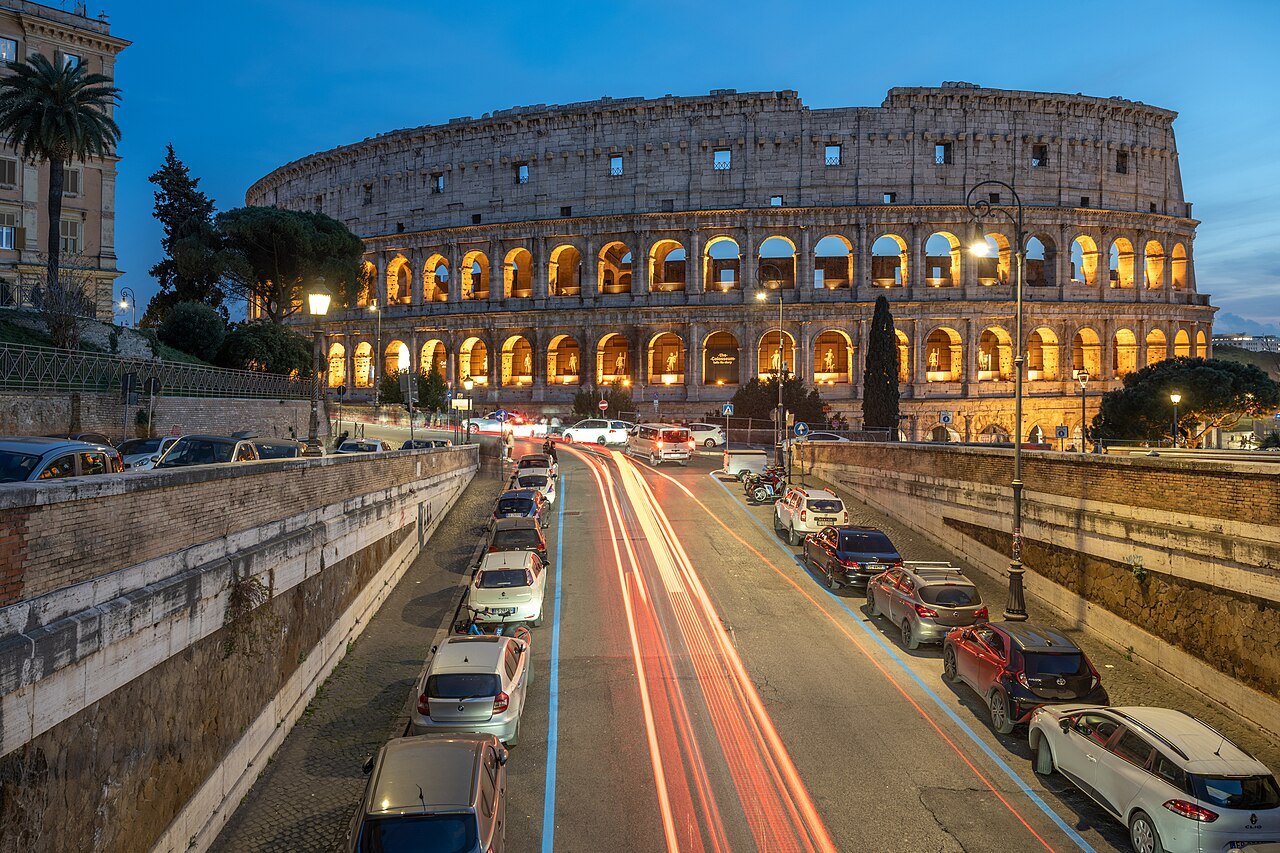
The Colosseum stands in the low valley between the Caelian, Esquiline and Palatine hills, and it is the largest amphitheater ever built and the largest one still standing. Vespasian began construction in 72, and his son Titus completed it in AD 80, with further changes added under Domitian. All three emperors belonged to the Flavian family, so the building is also called the Flavian Amphitheater.
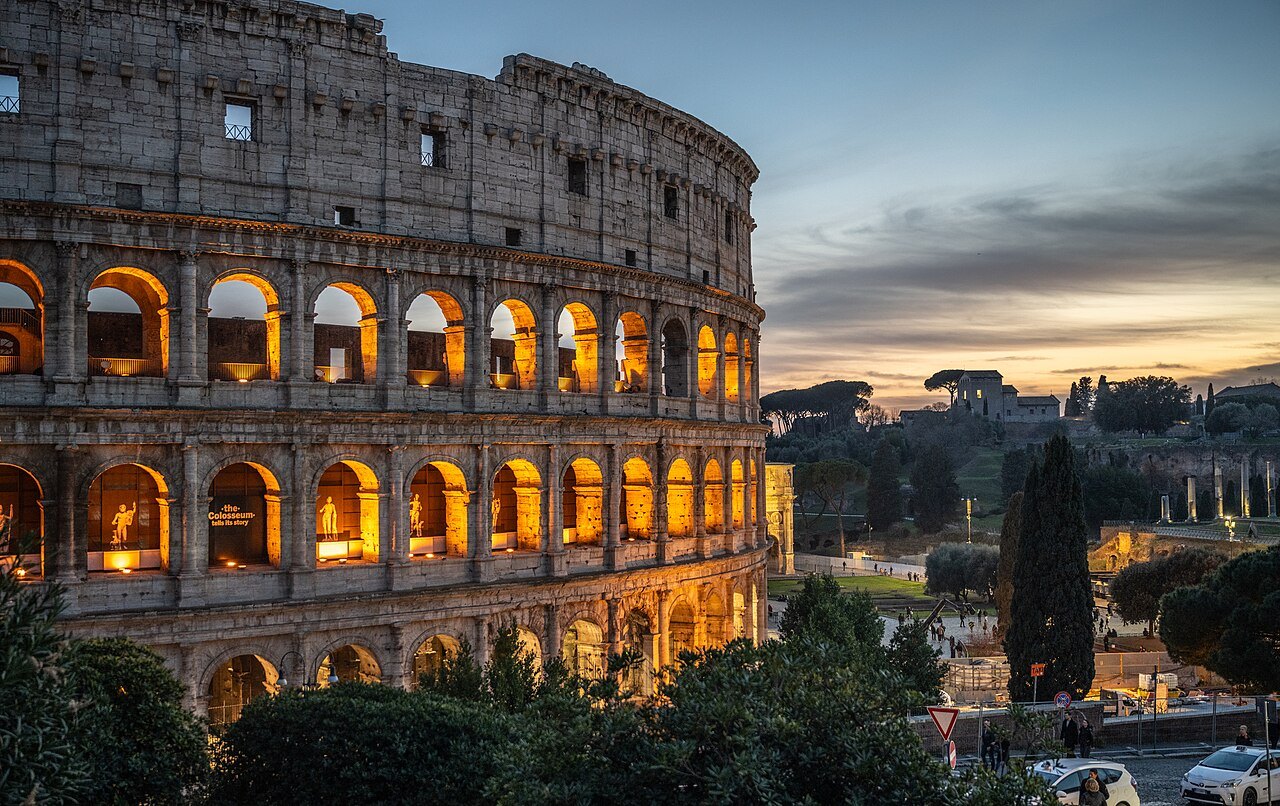
Its programs mixed gladiatorial combat with animal hunts, staged executions and re-enactments of myths and battles, drawing crowds estimated at fifty thousand to eighty thousand, with an average audience near sixty-five thousand. Bringing wild animals into that arena without spectators seeing keepers, cages or ropes at ground level took more than open doors: it took a hidden underground system built specifically for the purpose.
That system did not exist when the building opened. The amphitheater itself replaced an artificial lake that Nero had built for his own palace after the fire of 64, and Vespasian filled it in as a gesture of returning the land to the public. The animal-handling machinery came later, added under Domitian.
The arena floor was wood covered in sand, and the Latin word for sand, harena, is the source of the word arena. Little of that original floor survives today, though a rebuilt section lets visitors stand at arena level. The real answer to how animals reached that sand lies below it, in the hypogeum.
The Hypogeum Beneath the Sand
The hypogeum, Latin for "underground," was not part of the Colosseum's original design. Domitian, the third Flavian emperor, ordered it added, cutting two levels of tunnels, cages and chambers into the ground beneath the wooden arena floor, replacing what had previously been solid earth with a hidden working level below the sand.
These two levels held gladiators and animals out of sight before a show, in cages and passages that formed a working backstage hidden entirely beneath the sand. Nothing about the machinery below was meant to be visible to the crowd above; the spectacle was built to look as if lions or bears simply appeared from nowhere.
Because the arena floor sat above this network rather than at ground level, everything that fought or performed there, human or animal, had to travel upward through a built system of openings rather than simply walking in through a gate, as it might in a simpler arena built at ground level elsewhere in the Roman world.
Eighty Shafts to the Surface
Eighty vertical shafts ran from the hypogeum up to the arena floor above. Each was fitted with elevators, pulleys and hinged platforms, a combination that let handlers raise cages, animals and scenery straight upward into the show without carrying anything across open ground where spectators might see it at all.
A hinged platform could be lowered to hypogeum level, loaded with a caged animal, and then hauled upward by a pulley system until it reached the arena floor. A trapdoor or opening in the sand would then let the animal out directly into the arena, seemingly from nowhere in front of the watching crowd.
This is why the hunts could feel sudden and theatrical: an animal did not walk in through a visible entrance but rose up through the floor itself. Multiple shafts, worked at the same time, could also bring up scenery or props for the staged battles and mythological scenes performed there.
The precise choreography of any single hunt, such as which shafts worked together or how quickly a platform could be reset, is not settled by the surviving evidence covered here. A visitor curious about the engineering in more depth can ask a guide licensed for the site or consult the archaeological park directly.
Tunnels to Stables and Barracks
The hypogeum did not stand alone. Tunnels connected it to nearby stables, where animals were kept before their turn in the show, and to the gladiators' barracks at the Ludus Magnus, a short distance to the east, so that fighters and animals alike could reach the underground system without crossing a public street.
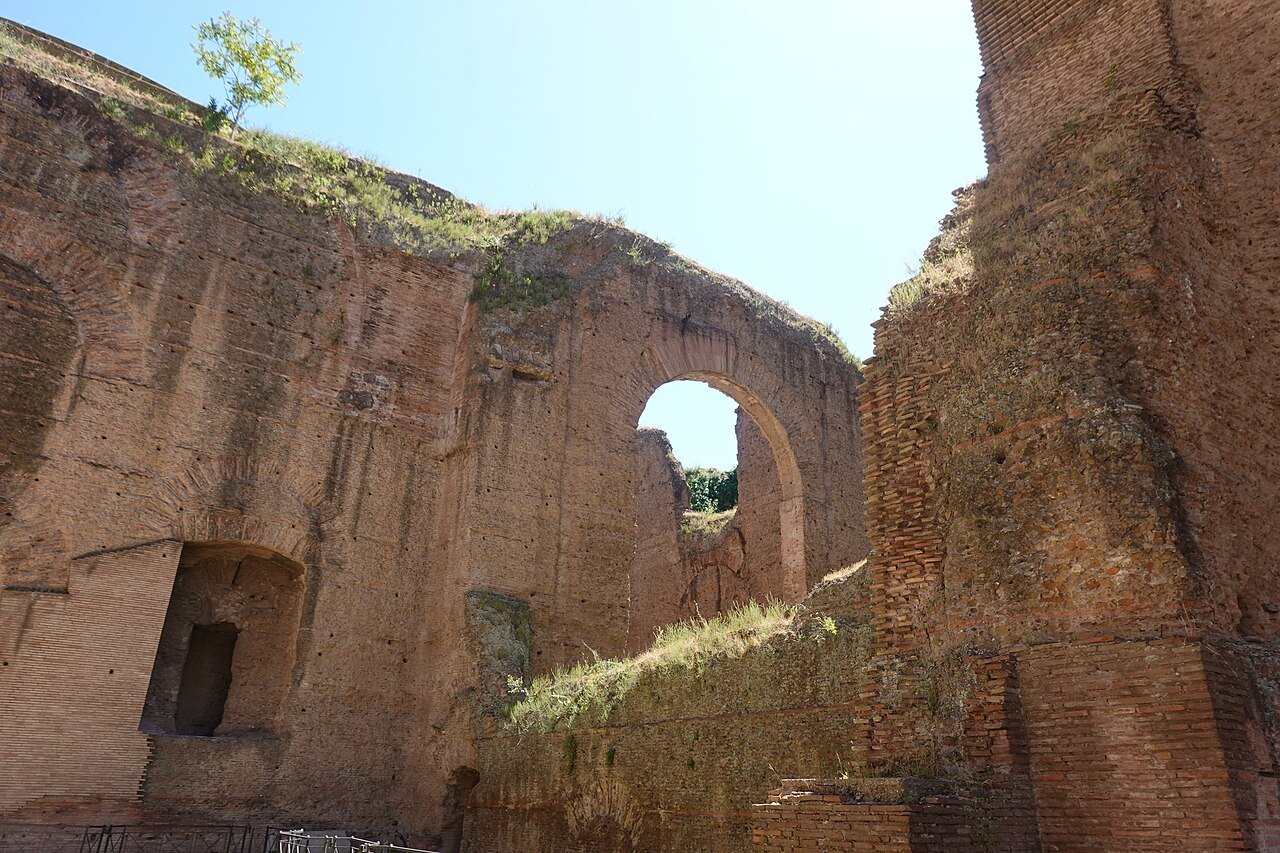
Separate passages also let the emperor and the Vestal Virgins move to and from their boxes without mixing with the general crowd, a reminder that the underground system was built as much for managing people and protocol as for staging animals and gladiators before each show began, keeping ceremony and logistics apart from public view.
Together, the shafts, cages, stables and connecting tunnels turned the space beneath the arena into the logistical heart of the building, doing the unglamorous work that made the spectacle above look effortless to everyone seated in the tiers, from the emperor's box down to the standing gallery at the very top.
Seeing the Hypogeum Today
The underground passages stayed closed to visitors for most of the Colosseum's modern history and were only opened to the public in the summer of 2010. Since 2017, guided routes have also covered the top two levels of the building, well above the seating tiers reached on a standard ticket.
Both the hypogeum and the upper levels are sold as separate routes from the standard ticket that covers the main tiers and the rebuilt section of the arena floor, so one ticket does not automatically include the other. Check the archaeological park's own website for which routes are being offered and how to combine them.
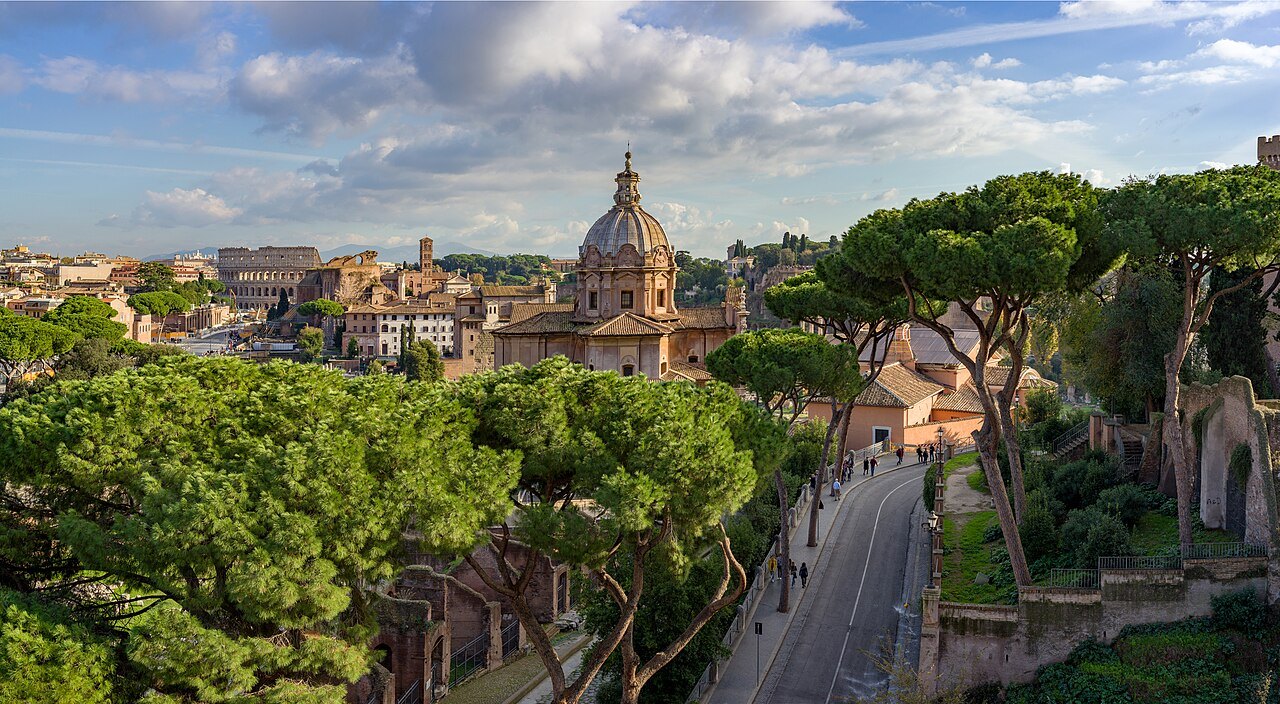
Because the underground involves uneven surfaces and limited space, plan for a longer visit than the main tiers alone require. Allow at least an hour and a half for the Colosseum by itself, and more again if the itinerary includes the underground or the upper levels, plus time to move between the ticketed routes.
Planning the Visit
The Colosseum, the Roman Forum and the Palatine Hill together form one archaeological park, and online tickets are sold only through the park's own ticketing website. The same site runs a form for reporting tickets resold through unauthorized channels, so buying directly from the park, rather than from a reseller, avoids that risk entirely.
Tickets carry the visitor's name, and the park allows a name to be changed only once, under a few listed conditions and no later than the seventh day before the visit, so it is worth entering names correctly from the start. For other timed tickets around the city, see the booking ahead page.
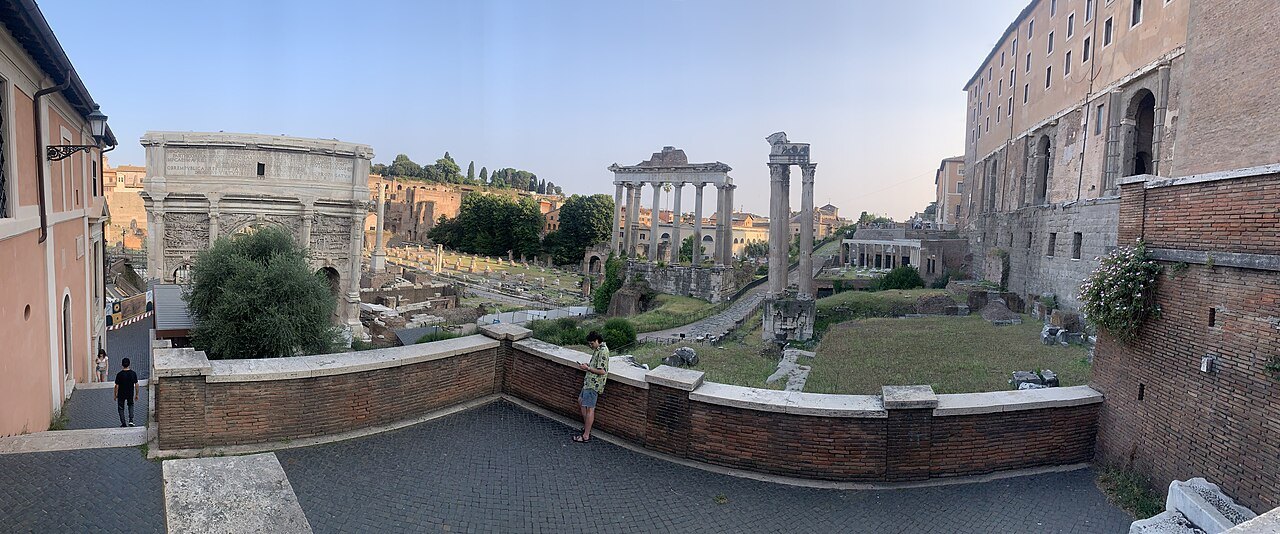
The Arch of Constantine stands just southwest of the Colosseum, on the old triumphal route into the city, and the Roman Forum and the Palatine Hill lie a few minutes' walk beyond it, so the three sites are usually combined into one long morning best started early to spread the walking across cooler hours.
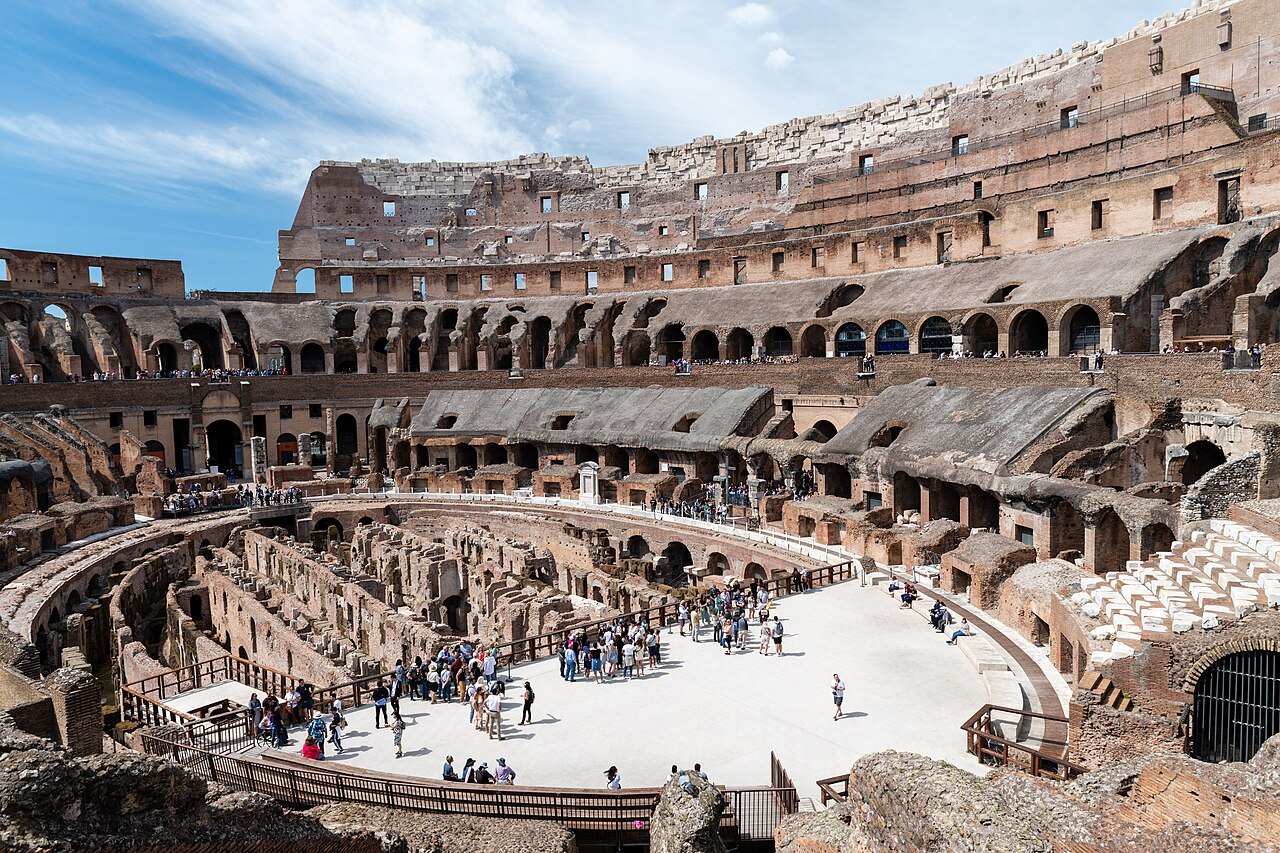
Much of the park is exposed to sun with little shade, and its paths are uneven stone, so comfortable footwear and sun protection matter as much as the ticket itself, especially in warmer months. Plan the visit around those conditions rather than around the clock, and keep water on hand for the walk between the amphitheater and the Forum.
Read next
More from the journal
- The PantheonWhy does the Pantheon have a hole in its roof?The Pantheon's dome has been open to the sky for nearly nineteen centuries. What the oculus does for the weight of the dome, how the builders made the concrete lighter as it rose, where the rain goes, how the light moves around the hall, and the rose petals that fall through it at Pentecost.Read the piece →
- Getting AroundHow does the Rome Metro work for visitors?Rome has only three Metro lines, and none of them runs through the heart of the old center. Which line reaches which sights, where they cross, why building them takes so long, how the Metrebus fare system ties them to the buses and trams, and when walking is simply faster.Read the piece →
- Getting HereHow do you get from Fiumicino Airport to central Rome?Most visitors take the Leonardo Express, the non-stop train from the airport's own station to Roma Termini. How to find the train, when the regional FL1 line makes more sense, how to recognize an official taxi and its fixed fare to the center, and what to ignore on the way out.Read the piece →