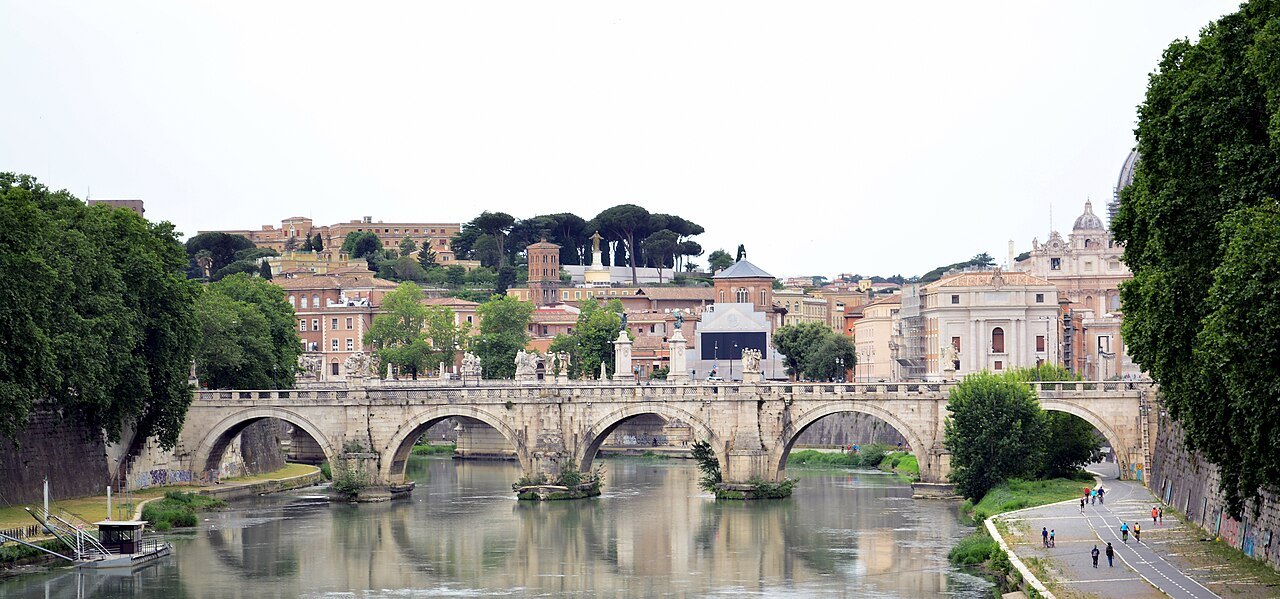
A POPE'S NARROW ESCAPE
How did the pope escape to Castel Sant'Angelo in 1527?
How Pope Clement VII fled along a fortified corridor to Castel Sant'Angelo during the 1527 sack of Rome.
The answer in full
Read on
A pope with nowhere else to go
In May 1527 Pope Clement VII faced the worst crisis of his reign. The unpaid, mutinous army of the emperor Charles V had marched on Rome, and the city's own defenses could not hold them back for long. The pope needed somewhere strong enough to survive a siege and close enough to reach within minutes, and in the whole of Rome only one building near the Vatican met both requirements at once.
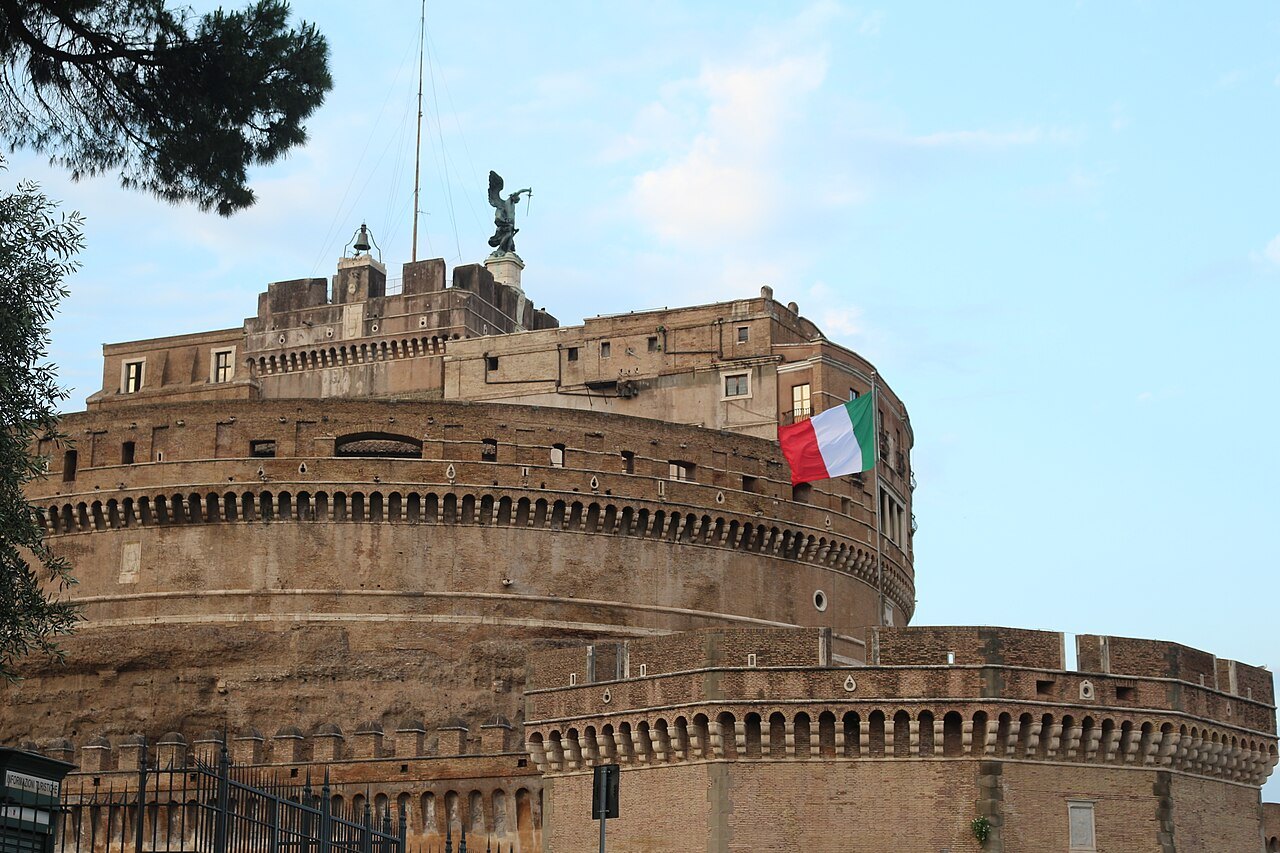
That building was Castel Sant'Angelo, Hadrian's ancient tomb turned medieval stronghold, standing just across a narrow stretch of the Borgo from the papal palace. Its thick drum of Roman masonry, its height above the Tiber, and centuries of later fortification made it the one place in the city where a pope could reasonably expect to hold out against an army.
The castle had already served popes as a refuge since the fourteenth century, when it first passed into papal hands and was turned into a proper fortress. By 1527 it was ready for exactly this kind of emergency, and when the attack came, Clement VII had only one realistic option left to him.
The sack of Rome, 6 May 1527
The imperial troops broke into Rome on the sixth of May 1527, overrunning the city's defenses within hours. Soldiers who had gone unpaid for months looted churches, palaces and private houses in a sack remembered as one of the most violent episodes in the city's long history, even measured against the standards of a brutal age of warfare.
The Vatican lay directly in their path, and with it the pope who had tried to check the emperor's power in Italy. There was no time for an orderly departure or a planned evacuation; Clement VII had to leave the papal palace and reach the safety of the castle before the attackers reached him.
Once inside, he held out behind its walls for seven months, a siege that only ended with a negotiated surrender rather than a successful assault. The fortifications that made that possible had been strengthened earlier under Pope Alexander VI, work that turned an old tomb into a stronghold able to withstand a prolonged blockade.
The passage that saved him
The pope's escape route already existed, built more than two centuries before he ever needed it. Pope Nicholas III had linked the Vatican palace to the castle with a covered, fortified corridor running along the top of a wall, the Passetto di Borgo, built so that a pope could move quickly between the two buildings under cover from the streets below.
On the morning of the sack, that corridor became the difference between capture and safety. Clement VII crossed from the Vatican palace to Castel Sant'Angelo along the Passetto while the city beyond was falling to the imperial troops, reaching the fortress and its gates before the attackers could close the distance.
The Passetto is often described as a secret passage, but it was never hidden; it was a visible, fortified walkway built in plain sight for exactly this purpose. Its value in 1527 lay simply in the fact that it worked as designed, at the one moment it was needed most.
Behind the walls
Once inside, the pope found a fortress already prepared to shelter him. Earlier popes had equipped it for this kind of emergency: Leo X added a chapel, and Paul III later built a rich apartment, so that a pope forced to take refuge here would have quarters fitting his office rather than a bare garrison room.
Those additions mattered because a siege could last a long time, and this one did. Clement VII remained inside Castel Sant'Angelo for seven months while his negotiators worked out terms with the besiegers outside the walls, and the strengthened fortifications around him held through months of blockade and intermittent bombardment from the city beyond.
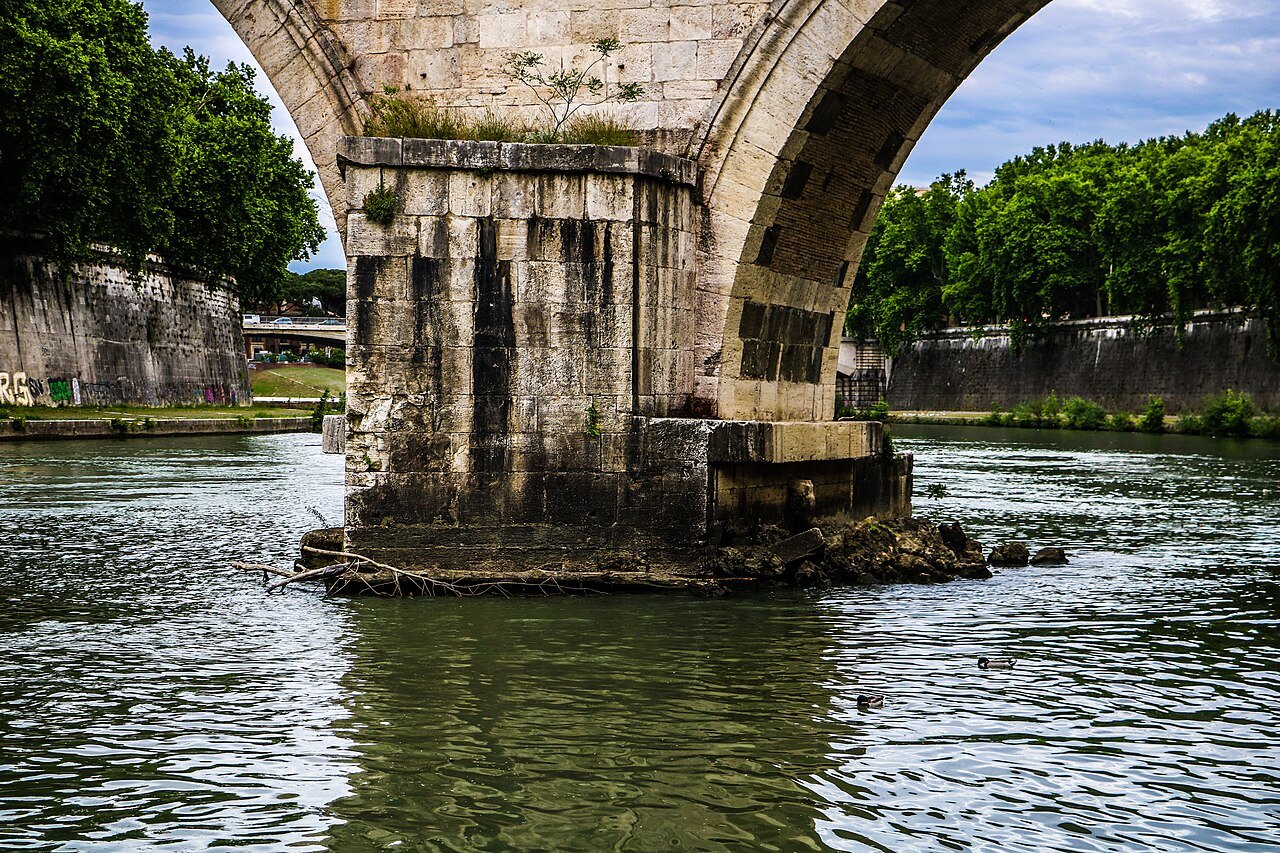
The building's long use as a place of last resort did not end with Clement VII. Later it also served the papal state as a prison, holding figures such as the philosopher Giordano Bruno for six years before his execution, a reminder that the same walls that sheltered a pope also confined his prisoners.
An eyewitness on the ramparts
One account of the siege survives from inside the walls, left by the goldsmith and sculptor Benvenuto Cellini, who took refuge in the castle during the attack. Cellini later described walking the ramparts and firing at the soldiers below, turning a craftsman trained for fine metalwork into, briefly, a defender of the fortress.
His account gives the siege a human scale beyond the bare dates of formal history: a single figure walking the ramparts with a gun, watching the city he knew fall into disorder below him, while the pope he served waited out the months of blockade inside the same walls he was defending.
Cellini's connection to the castle did not end with the siege. Years later he was imprisoned within its own walls himself, one name among several held here over the centuries, including the adventurer Cagliostro, with executions carried out in a small inner courtyard not far from where he had once stood guard.
What to see, and how to visit
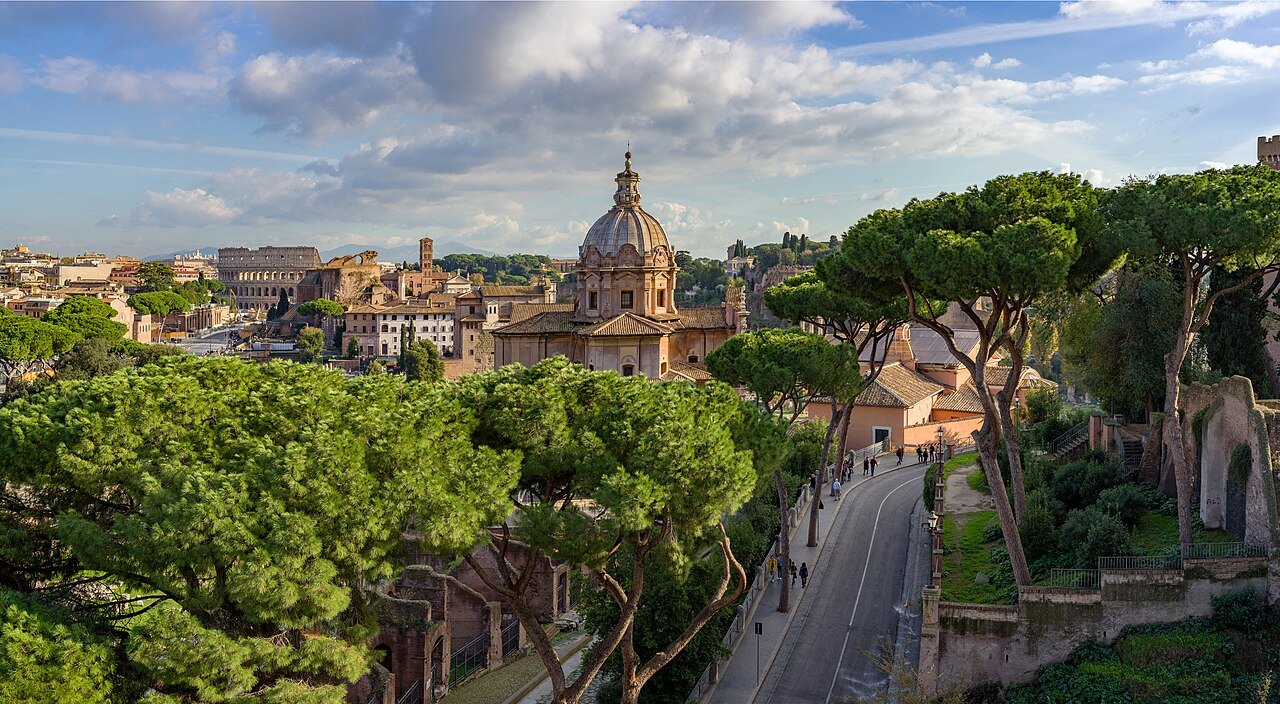
A visit today retraces much of the same ground, climbing from the ancient core up to the papal fortress built on top of it. A spiral ramp rises inside Hadrian's original drum, leading up through the courtyards, papal rooms, loggias and the Treasury Room before the final stairs reach the ramparts and the terrace under the bronze angel, with the Tiber below and St. Peter's dome visible across the rooftops of Borgo.
The rooms built for a pope under siege, including Paul III's rich apartment, are part of that route today, along with Raffaello da Montelupo's original marble Saint Michael, displayed in an open courtyard inside the walls. Since 1901 the building has operated as the Museo Nazionale di Castel Sant'Angelo, a state museum that draws well over a million visitors in a typical year.
Castel Sant'Angelo is a state museum, and tickets should be bought only through its official channels; the booking ahead page gathers what to check before going. Allow a good hour and a half to climb the full route at an unhurried pace and spend time on the terrace.
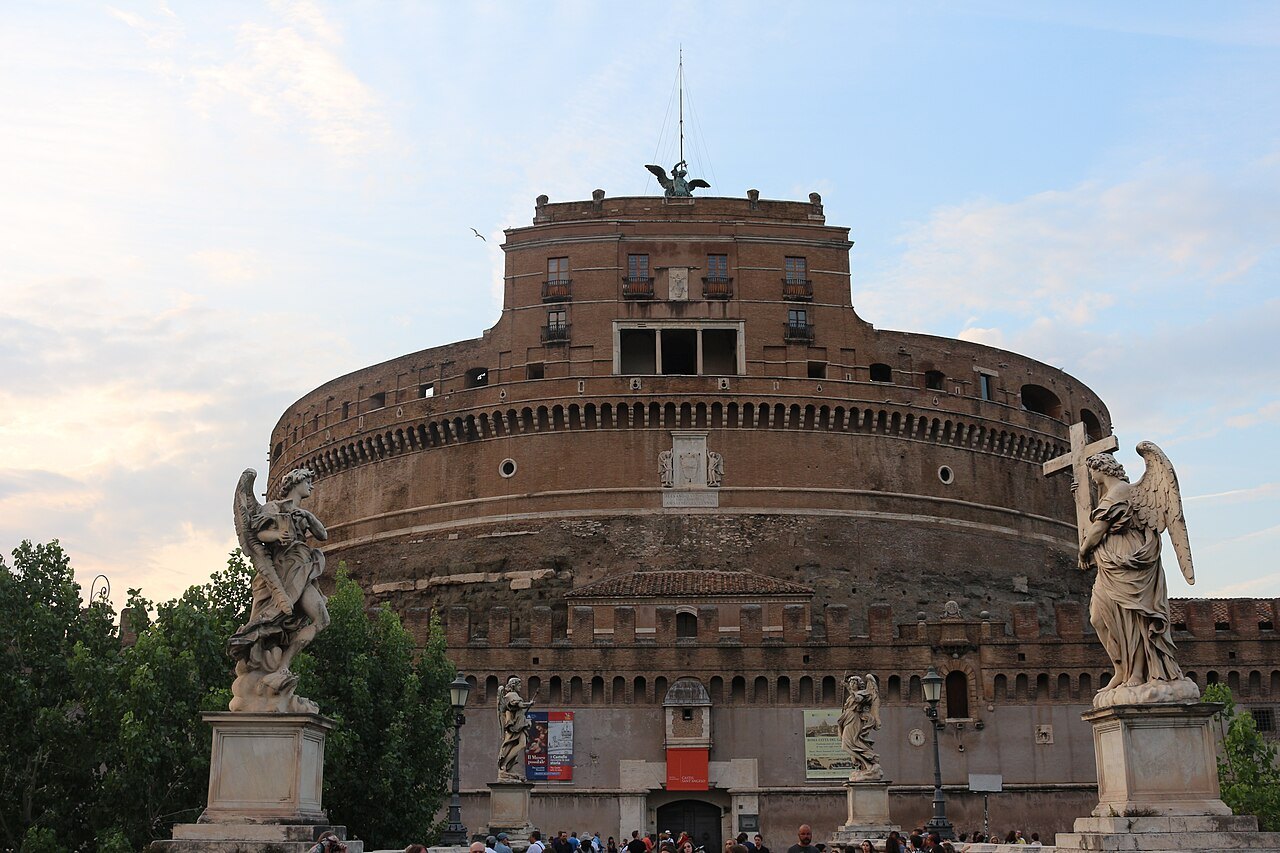
The classic approach is on foot, across the Ponte Sant'Angelo from the old city, under the gaze of Bernini's angels. From the castle, Via della Conciliazione leads west to St. Peter's Basilica, and the route works just as well from Piazza Navona, a short walk away on the other bank.
Read next
More from the journal
- Vatican CityWhy is Vatican City a separate country?St. Peter's and the Vatican Museums stand in the smallest country in the world, not in Italy. How a thousand years of papal rule ended in 1870, why the popes called themselves prisoners, what the Lateran Treaty of 1929 created, and what the border means for a visitor today.Read the piece →
- The Capitoline Hill and its MuseumsHow did the statue of Marcus Aurelius survive the Middle Ages?Why the gilded bronze horseman on the Capitoline escaped the melting pots that claimed almost every other Roman emperor.Read the piece →
- Piazza del Popolo and the PincioHow did an Egyptian obelisk come to stand in Piazza del Popolo?How Augustus, Domenico Fontana and Pope Sixtus V brought a pharaoh's obelisk to the center of Piazza del Popolo.Read the piece →