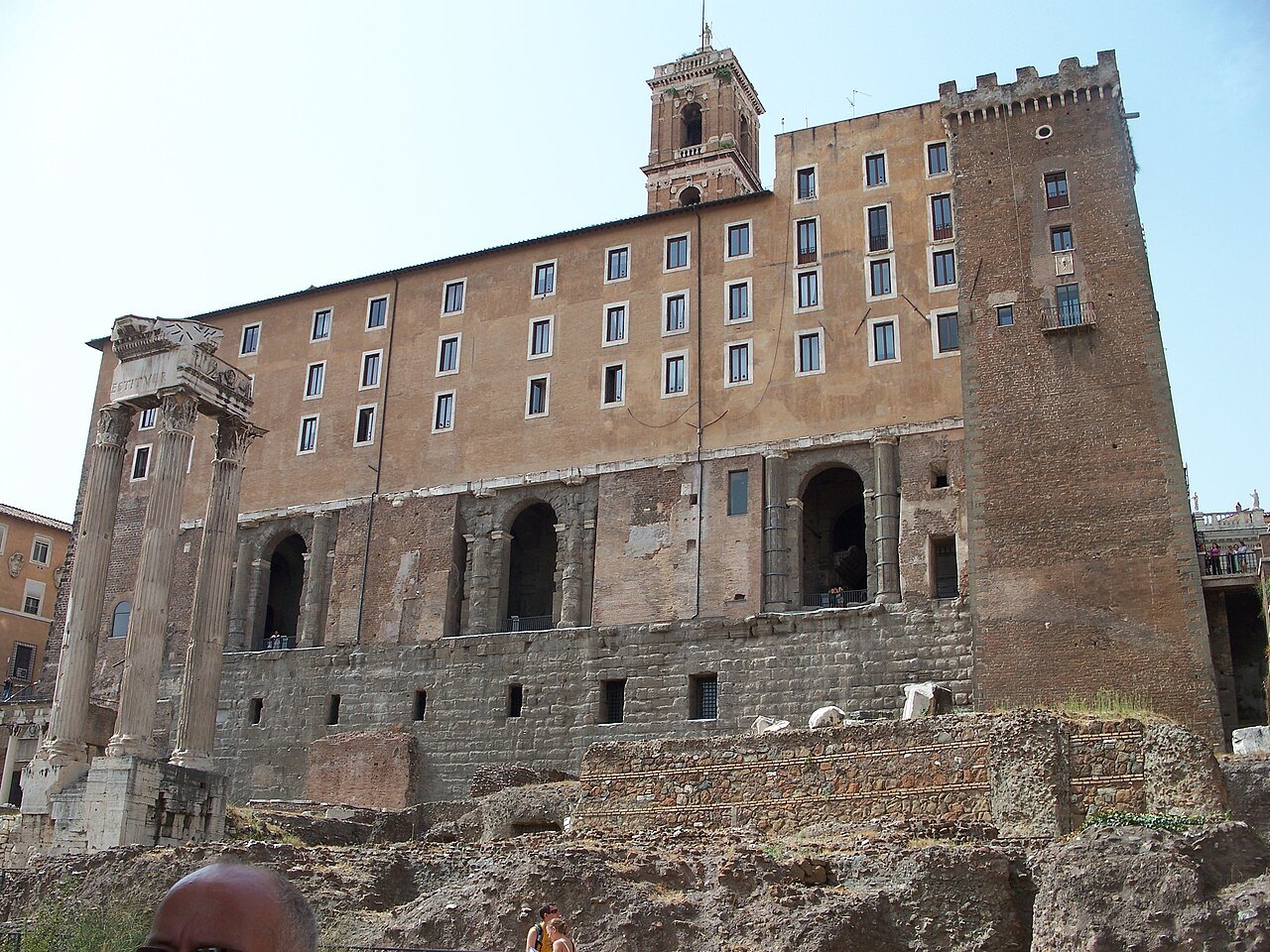
A SURVIVOR IN BRONZE
How did the statue of Marcus Aurelius survive the Middle Ages?
Why the gilded bronze horseman on the Capitoline escaped the melting pots that claimed almost every other Roman emperor.
The answer in full
Read on
A Statue Built to Vanish
Almost no bronze statue of a Roman emperor survived the Middle Ages intact. Bronze was valuable and portable, and across the centuries emperors on horseback were pulled down, broken up, and recast as coins, bells, or weapons. Rome once held many such monuments; the equestrian figure of Marcus Aurelius is the one great exception, a gilded bronze horseman that somehow outlasted a thousand years of melting pots.
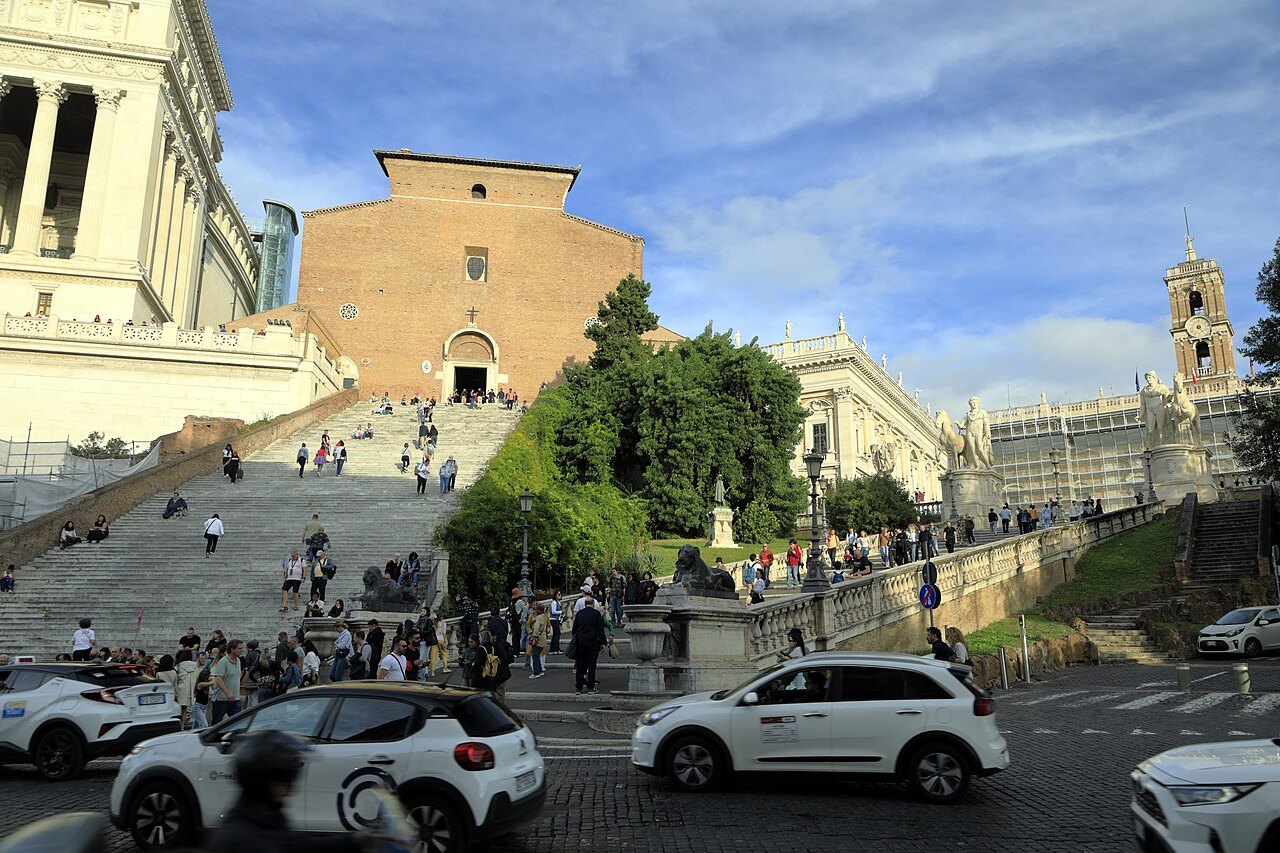
The statue shows the emperor on horseback, his hand raised in a gesture once read as command or blessing, the gilding largely worn away but still visible in patches. It is this rare survival, more than its size, that makes it one of the defining images of ancient Rome and now one of the treasures of the Capitoline Museums.
Other bronzes from the ancient city did not share this fate. Temples, forums, and baths across Rome once held statues of emperors, generals, and gods cast in the same material, almost all of them lost to reuse long before the Renaissance began to prize what survived. The horseman's escape was the exception rather than the rule.
Mistaken for Constantine
The traditional explanation for its survival is a case of mistaken identity. For much of the medieval period, Romans believed the rider was Constantine, the first Christian emperor, rather than Marcus Aurelius, a pagan ruler who had died a century before Christianity gained toleration within the empire he once governed.
That confusion mattered. A statue thought to honor the emperor who had legalized Christianity was treated as part of a sanctioned, almost Christian past rather than as a pagan idol fit for destruction. Where other imperial bronzes were stripped for metal, this one was left standing, protected by a case of wrong identity that lasted for generations.
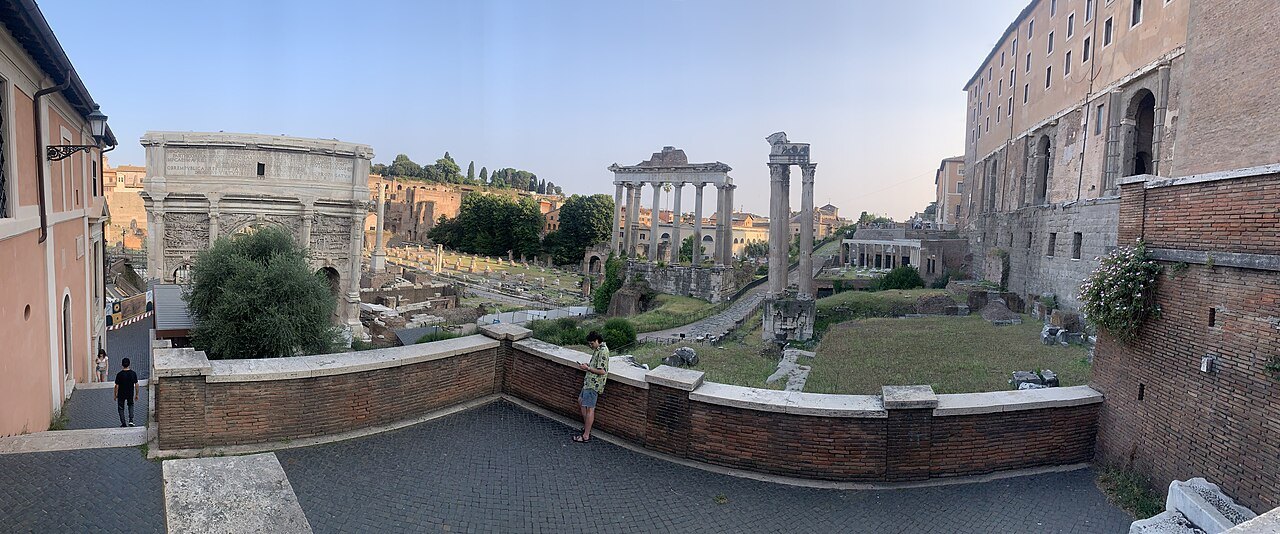
The mix-up was not corrected until later scholarship identified the true subject through coins and inscriptions bearing his likeness. By then the statue had already weathered the centuries when most of its kind disappeared, and its reputation as a monument worth preserving was already fixed in the minds of the Roman people.
From the Lateran to Michelangelo's Square
For centuries the statue stood outside the Lateran, the ancient center of papal authority in Rome, long before it had any connection to the Capitoline Hill. It was only in the Renaissance that its location changed, as part of a larger plan to remake the civic heart of the city.
Pope Paul III commissioned Michelangelo to redesign the neglected hilltop square, and between 1534 and 1538 the artist moved the bronze horseman to the Capitoline, setting it on a paved oval at the center of his new piazza. It became the focal point of the square, placed so that the whole design radiated from it.
Before this move the hilltop had been little more than a neglected clearing where goats grazed among two crumbling medieval buildings set at an awkward angle. Bringing the ancient emperor to stand at its center was part of turning that forgotten space into a square meant to impress a visiting emperor, Charles V.
A Square Redesigned Around It
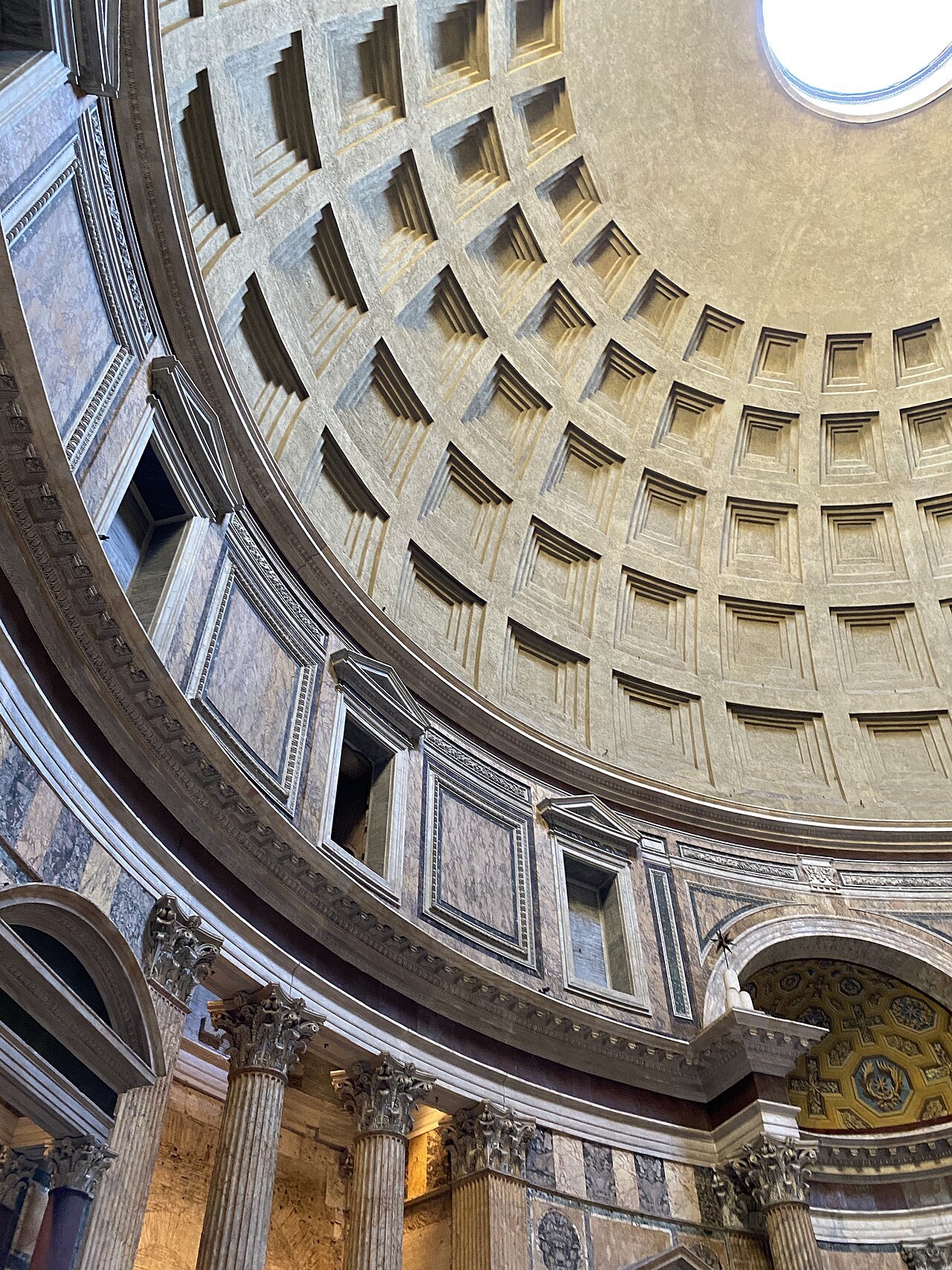
Michelangelo's plan for the Capitoline went far beyond placing a single statue. His boldest decision was to turn the hill around, so the square no longer faced the ancient Forum behind it but looked instead toward St. Peter's, the new center of power across the city.
He refaced the Palazzo Senatorio, built long before on the ruins of the ancient Tabularium, and the fifteenth-century Palazzo dei Conservatori, then designed a matching Palazzo Nuovo to close the third side of the square. He also gave the Senatorio its double stair, framing the approach to the horseman below.
The square was not finished until the seventeenth century, long after Michelangelo's death, and its star-patterned paving around the oval was only completed to his design in 1940, drawn from an old engraving of his original intention. The statue of Marcus Aurelius has stood at the center of this slowly realized design the whole time.
The Original Behind Glass
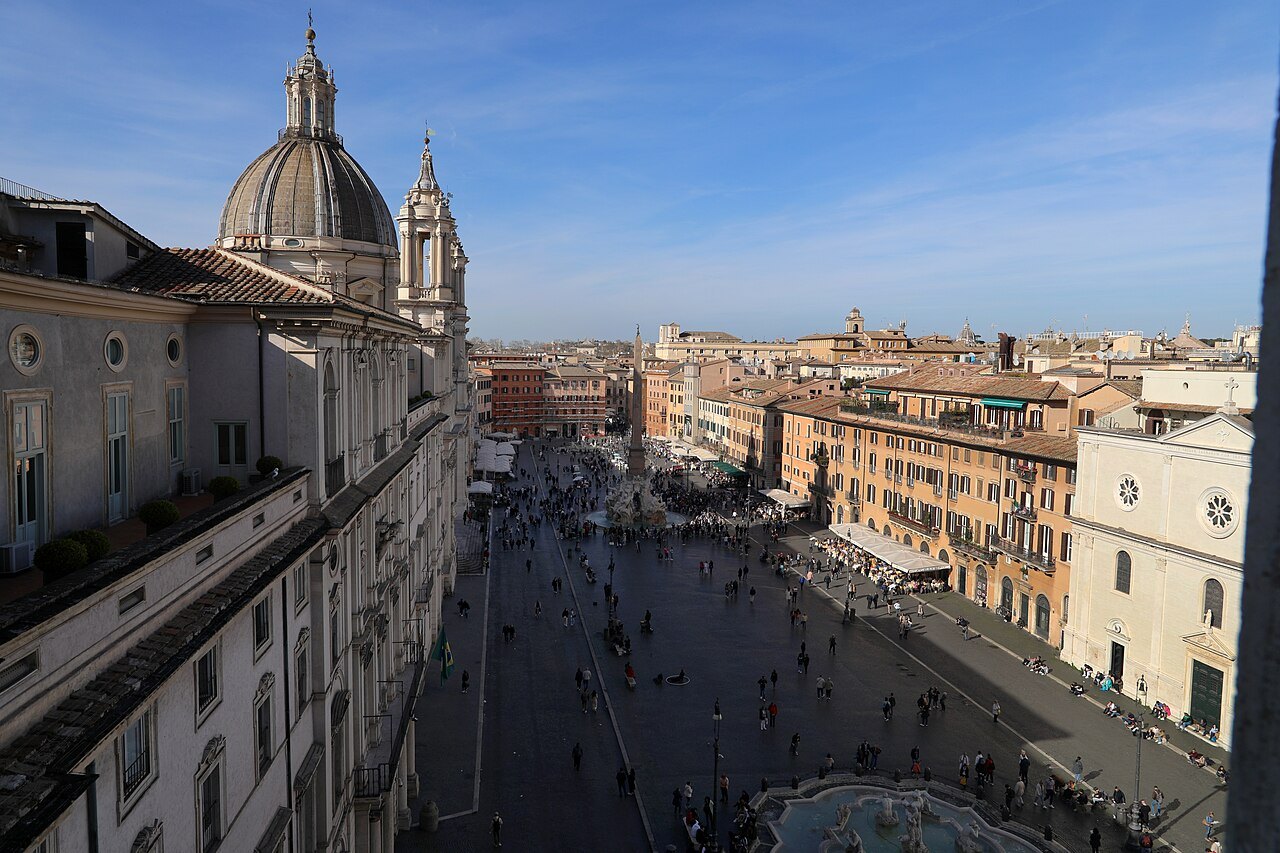
The statue standing in the square today is not the ancient bronze itself but a copy. After conservation work, the original was moved indoors, into the protected environment of the museums, where pollution, weather, and handling could no longer wear at its surface the way they had for centuries outdoors.
Visitors who want to see the actual Roman bronze, rather than the copy on the oval, need to go inside the Capitoline Museums complex itself. Because museum rooms can close temporarily for conservation work, check the museum's own website before a visit built around seeing this particular piece, and use the booking ahead page for tickets in general.
The decision to move the statue indoors reflects the same reasoning that has protected other ancient bronzes, such as the she-wolf kept in the Palazzo dei Conservatori. Open-air display exposes gilded or patinated surfaces to damage that indoor galleries avoid, a tradeoff museums increasingly make for pieces that outlasted everything around them.
Finding the Statue Today
The climb to the square itself is part of the experience: the wide ramped Cordonata that Michelangelo designed, flanked partway up by a monument to the medieval tribune Cola di Rienzo, leads to the paved oval where the copy of the horseman now stands, framed by the Palazzo Senatorio behind it.
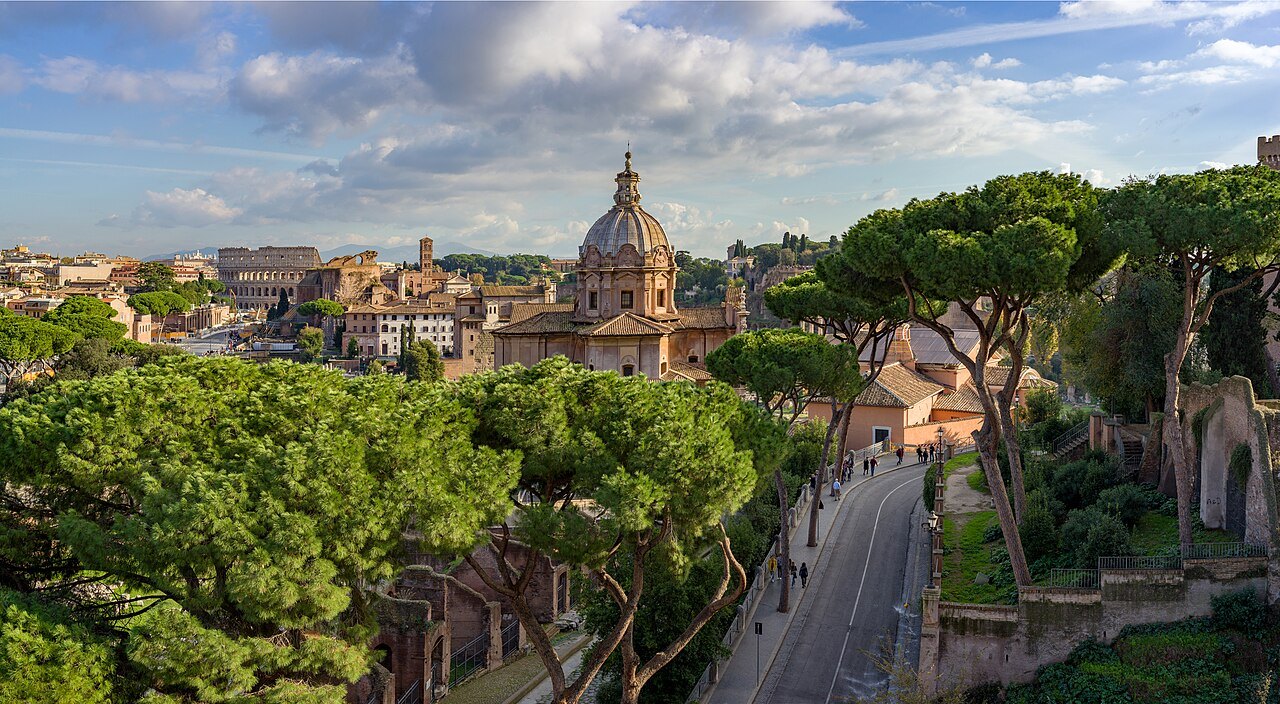
Two Egyptian lions in black basalt, turned into fountains, lie at the foot of the Cordonata, and at the top wait the Dioscuri, Castor and Pollux with their horses, alongside marble trophies of arms. The whole approach was designed to build toward the moment the horseman comes into view.
Allow time to also see the Palazzo dei Conservatori and the Palazzo Nuovo across the square, since the original statue is held inside this museum complex rather than in the open air. Together with the Tabularium beneath, a visit to see the Marcus Aurelius properly fits into the two to three hours recommended for the whole site.
A Monument Still Read Wrong
The mistaken identity that may have saved the statue in the Middle Ages has a quieter modern echo: visitors often assume the gilded bronze in the square is the genuine Roman original, when it is in fact the protective copy installed after restoration. The real statue rewards a closer look indoors.
The horseman and its oval paving appear today on the Italian fifty-cent coin, a small reminder of how central this single surviving bronze became to the image of ancient Rome, long after the empire it once represented had vanished from the very hill where the statue now stands.
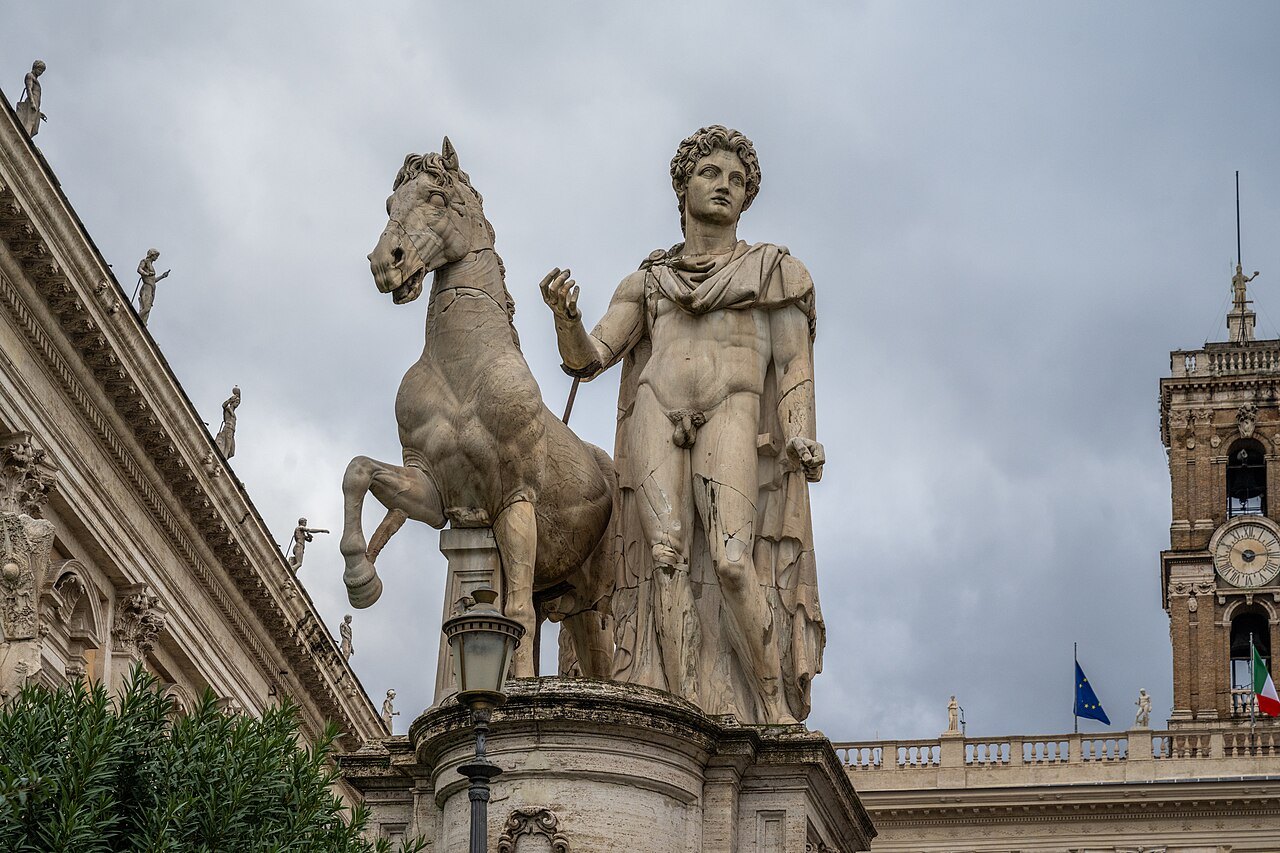
A walk from the square toward the Pantheon continues through the same old center the statue has watched over, in one form or another, for centuries, a short stretch of streets that carries the story of the city from antiquity into the Renaissance and beyond.
Read next
More from the journal
- The Capitoline Hill and its MuseumsWhy is the she-wolf the symbol of Rome?How an Etruscan bronze and a Renaissance addition became Rome's emblem, and where to find it today.Read the piece →
- The ColosseumWhy is so much of the Colosseum missing?The story behind the Colosseum's missing outer wall, stripped stone, and centuries of reuse.Read the piece →
- Getting HereHow do you get from Fiumicino Airport to central Rome?Most visitors take the Leonardo Express, the non-stop train from the airport's own station to Roma Termini. How to find the train, when the regional FL1 line makes more sense, how to recognize an official taxi and its fixed fare to the center, and what to ignore on the way out.Read the piece →