AN ANCIENT BRONZE, A ROMAN MYTH
Why is the she-wolf the symbol of Rome?
How an Etruscan bronze and a Renaissance addition became Rome's emblem, and where to find it today.
The answer in full
Read on
An Etruscan Bronze on the Capitoline
The she-wolf that stands for Rome is kept inside the Palazzo dei Conservatori, one of the two palaces of the Capitoline Museums on the Capitoline Hill. The bronze itself is believed to be an Etruscan work of the fifth century BC, made long before Rome built the empire that would later claim the animal as its emblem. Few objects on view anywhere in the city carry so much weight of time, or so plain a silhouette.
Its pose is instantly recognizable: head turned sharply to one side, ribs taut, ears alert, as if caught mid-movement rather than posed for a monument. That sharpness is part of why the image has traveled so far beyond the museum case, stamped on everything from medieval seals to the modern city's own crests. The wolf came to stand for Rome before anyone added the children it is famous for nursing.
The bronze's Etruscan origin places it outside the story it illustrates. Etruscan craftsmen working in central Italy had no reason to depict the legendary founders of a rival city; the wolf alone, without the twins, was almost certainly made as an animal figure in its own right, only later pressed into service as the emblem of Rome's beginnings.
The Twins Added Two Thousand Years Later
The twins underneath the wolf, Romulus and Remus, were added only in the fifteenth century, about two thousand years after the bronze animal itself was cast. Whoever commissioned the addition understood exactly what story Romans wanted the wolf to tell, and the join is accomplished enough that for centuries visitors took the whole group for a single ancient work.
That belief has only recently been set aside in any popular sense. Guidebooks and group leaders once described the piece as a single artifact of unbroken antiquity; it is in fact two objects from two very different ages, fused into one scene. Visitors standing in front of it today are looking at a Renaissance idea grafted onto an Etruscan animal.
The gap between the two halves says something about how Rome has always treated its own past: not as a sealed relic but as material to be reused, reframed, and added to. The she-wolf with her twins is itself a small monument to that habit, assembled across two millennia rather than cast in one moment.
From the Lateran to the People of Rome
The wolf did not start out on the Capitoline. It was kept at the Lateran, the seat of the popes before the Vatican, until 1471, when Pope Sixtus IV gave a group of ancient bronzes, the she-wolf among them, to the people of Rome. That gift moved the sculpture from church property to civic property, and set it on the hill that has served as Rome's town hall since the Middle Ages.
The Palazzo dei Conservatori, where the wolf is displayed, sits across the Piazza del Campidoglio from the Palazzo Senatorio, Rome's city hall. The same building where the she-wolf stands is also where the Treaties of Rome were signed in 1957, founding the European Economic Community that became the European Union, a modern civic event staged beside the city's oldest civic symbol.
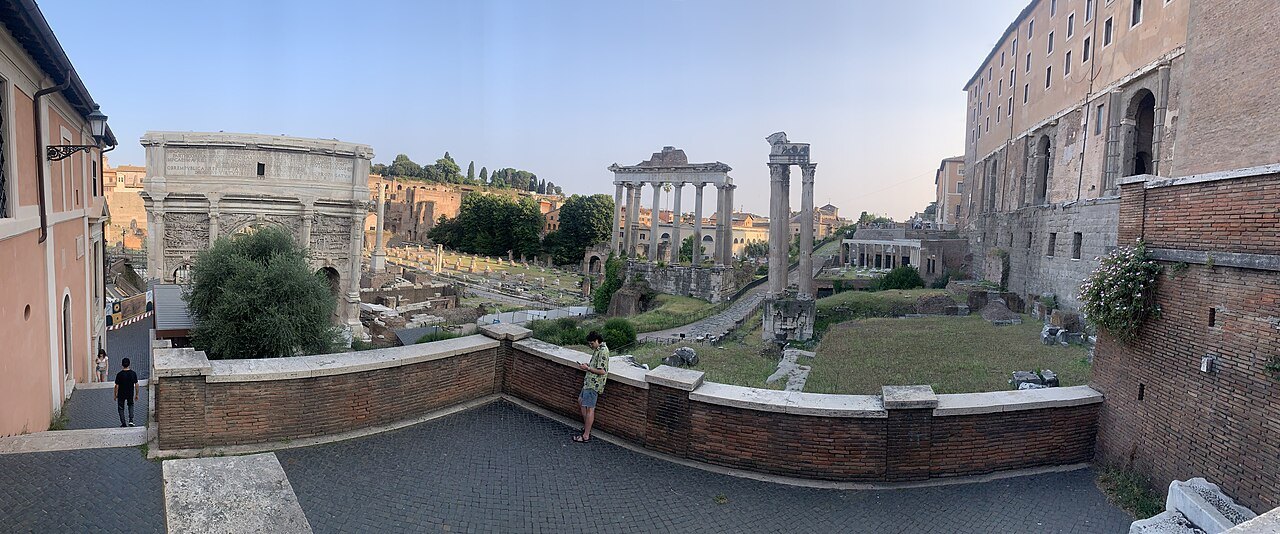
The choice of the Capitoline for this gift was not incidental. The hill had been the center of Roman religious and civic life in antiquity, and placing the bronze there tied the city's medieval government to a continuous thread of Roman identity stretching back to the legend the wolf represents.
One of the World's Earliest Public Museums
The bronzes Sixtus IV gave the city in 1471 became the core of a collection that Pope Clement XII opened fully to the public in 1734. That date makes the Capitoline Museums one of the earliest museums anywhere conceived as open to everyone, rather than a private cabinet for popes, cardinals, or kings. The she-wolf has been on public view, in one form or another, for centuries.
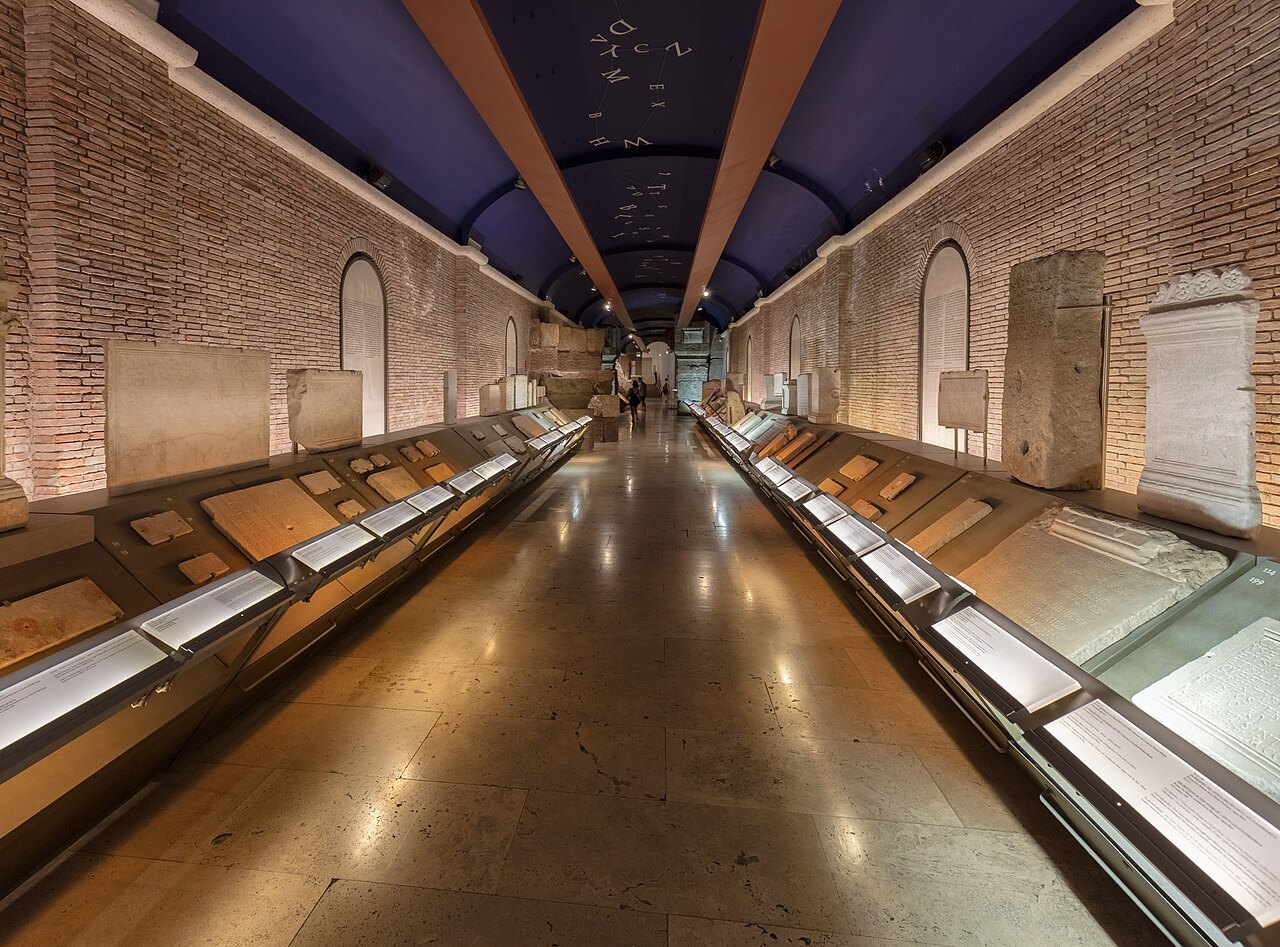
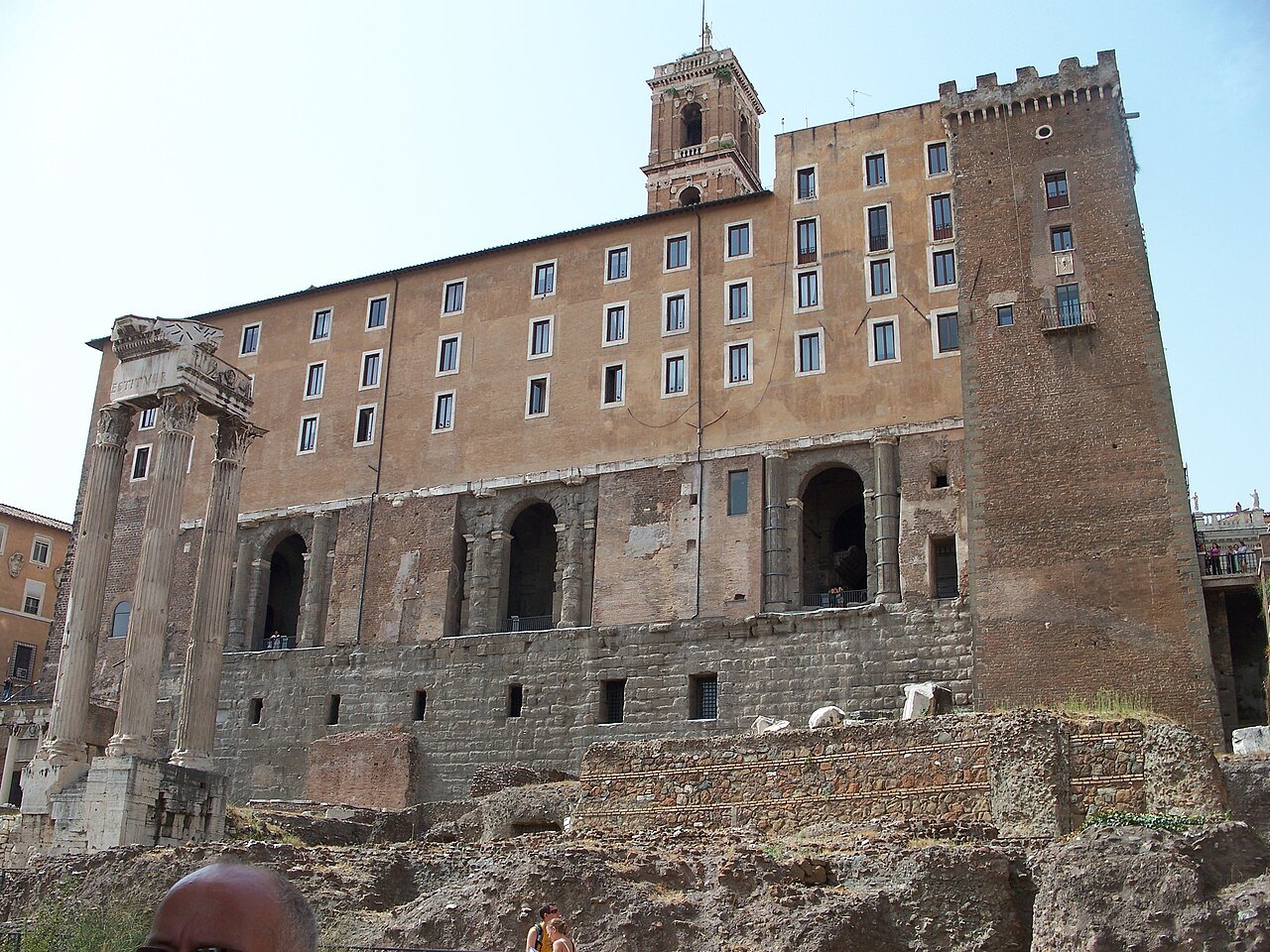
Visiting the she-wolf today means visiting that same institution, now spread across the Palazzo dei Conservatori and the Palazzo Nuovo facing it, joined underground by a gallery of inscriptions above the ancient Tabularium. The Capitoline Museums page covers the full layout, including the courtyard of colossal fragments and the picture gallery upstairs.
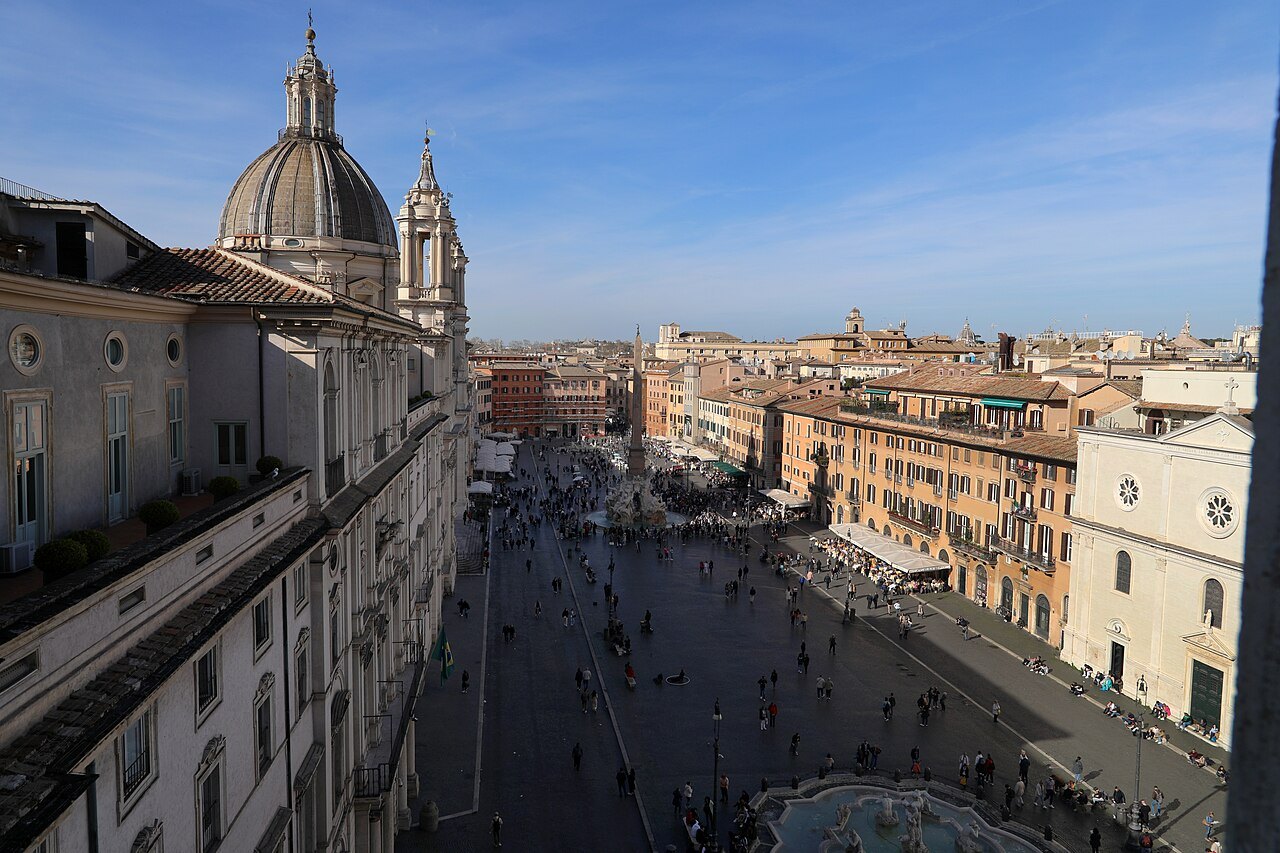
For planning a visit, check the museums' own website for any notices about rooms closed for work before building a visit around a single piece, and see the booking ahead page for how tickets generally work across Rome's major sights. A quick check before arriving can save a special trip to the hill from ending in disappointment.
The Hill Behind the Symbol
The Capitoline Hill itself rises between the Roman Forum and the Campus Martius, and for most of its history it was a modest, even neglected, spot, known before the Renaissance as the goat hill because goats grazed on its open ground. Its transformation into the ordered square seen today, the Piazza del Campidoglio, came only in the sixteenth century.
Pope Paul III commissioned Michelangelo to redesign the hilltop as a symbol of a renewed Rome, meant to impress the emperor Charles V. Michelangelo turned the square to face away from the ancient Forum and toward St. Peter's, refaced the surrounding palaces, and set the gilded bronze equestrian statue of Marcus Aurelius, now replaced on the square by a copy, at its center.
None of that reshaping touched the she-wolf directly, but it explains the setting she now occupies: a square built, five centuries after her casting, to assert Rome's continuity from antiquity through the papacy to the civic government still housed there today, with the bronze kept as that continuity's oldest surviving emblem.
Seeing the She-Wolf Today
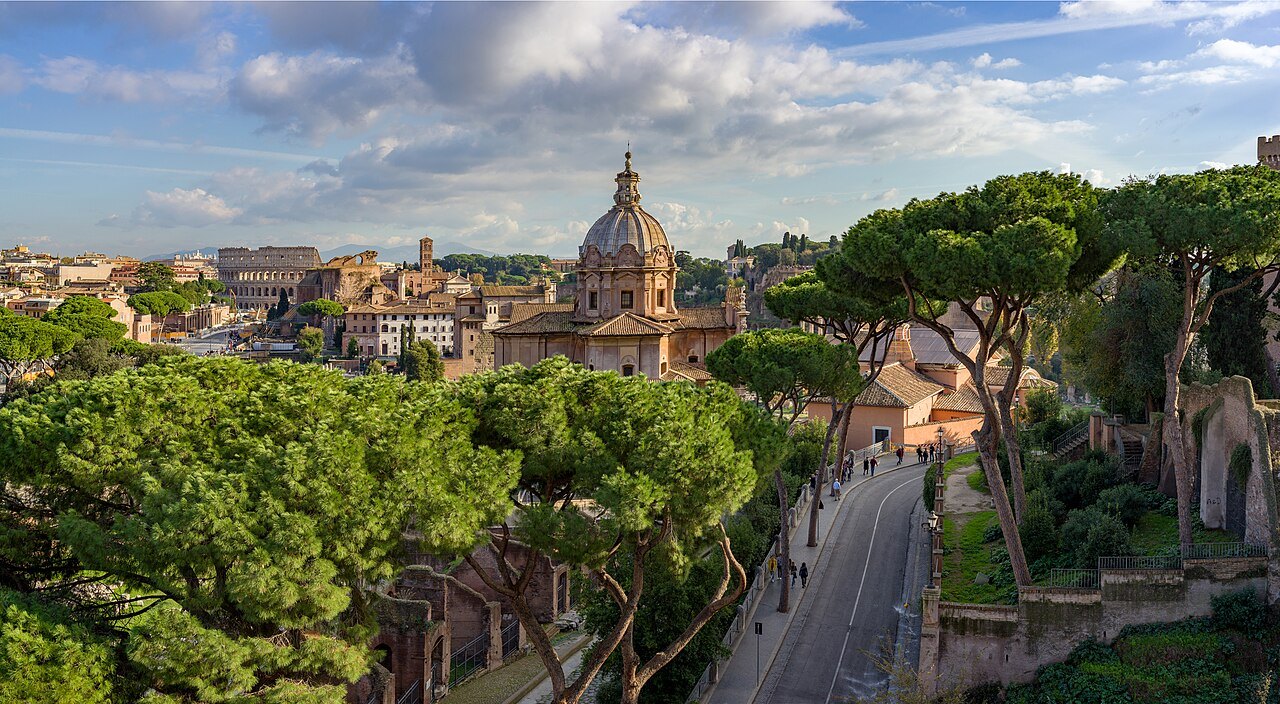
The she-wolf is displayed inside the Palazzo dei Conservatori, reached from the Piazza del Campidoglio at the top of the Cordonata, the gentle ramped stair Michelangelo designed. The courtyard there holds other large fragments, including pieces of the colossal statue of Constantine, before the route leads up to the apartment and gallery floors where the bronze is kept.
Allow time to take in both palaces and the underground Tabularium gallery together, since the she-wolf is only one stop among many ancient and Renaissance works on the hill. From the square, the walk down toward the Roman Forum or across to the old center near the Pantheon takes only a few minutes on foot.
As with any major Roman collection, confirm opening details, any room closures, and ticket arrangements directly with the museum before setting a fixed schedule, particularly if the she-wolf or another specific piece is the main reason for the visit. A quick check before arriving can save a special trip to the hill from ending in disappointment.
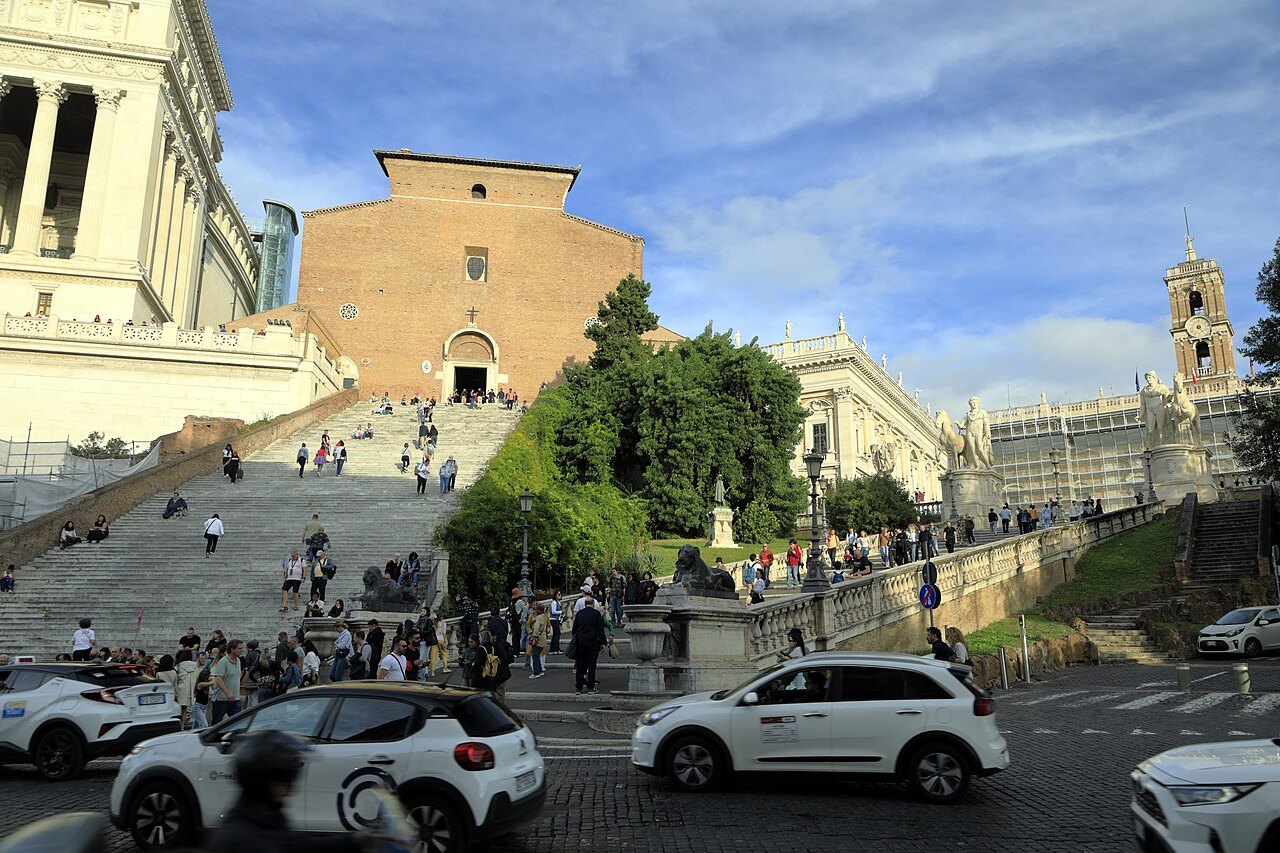
The climb itself sets the scene: two Egyptian lions turned into fountains flank the foot of the Cordonata, a monument to the medieval tribune Cola di Rienzo stands partway up, and the Dioscuri, Castor and Pollux with their horses, wait at the top beside the piazza where the she-wolf's gallery lies just ahead.
Read next
More from the journal
- The RioniWhy are the districts of Rome called rioni?Old Rome is divided into twenty-two rioni, numbered from Monti to Prati, and their names are carved at street corners. Where the word comes from, how fourteen ancient regions became twenty-two modern districts, what the 1744 plaques are, and how to use the numbers to find your way.Read the piece →
- The Roman ForumWhat happened on the Via Sacra in a Roman triumph?How Rome's victorious generals paraded down the Via Sacra, and what still marks their route through the Forum.Read the piece →
- Getting HereHow do you get from Fiumicino Airport to central Rome?Most visitors take the Leonardo Express, the non-stop train from the airport's own station to Roma Termini. How to find the train, when the regional FL1 line makes more sense, how to recognize an official taxi and its fixed fare to the center, and what to ignore on the way out.Read the piece →