GENERALS, CAPTIVES AND THE SACRED STREET
What happened on the Via Sacra in a Roman triumph?
How Rome's victorious generals paraded down the Via Sacra, and what still marks their route through the Forum.
The answer in full
Read on
A Street Built for Processions
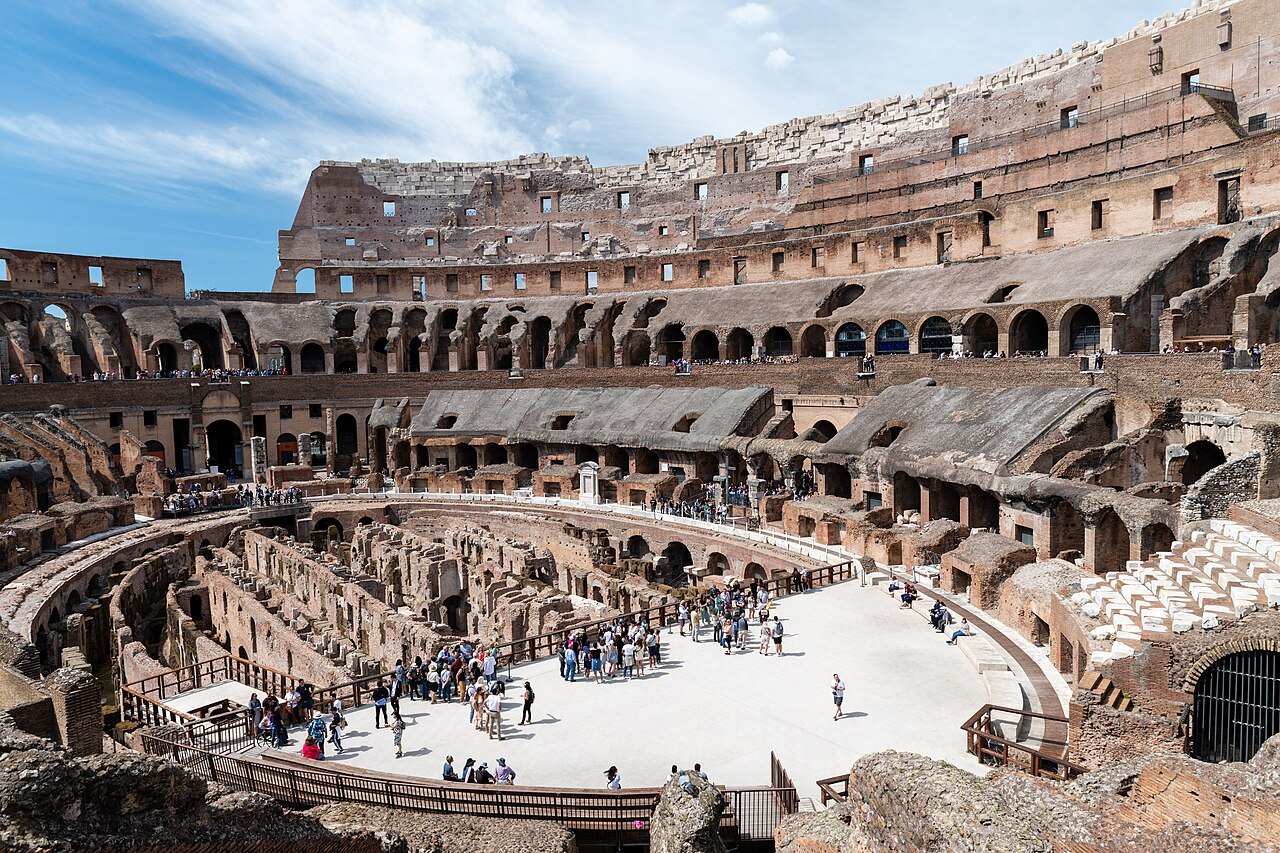
The Via Sacra, the Sacred Street, was the main street of ancient Rome, and nothing used it more dramatically than a triumph, the ceremony that paraded a victorious general and his army into the city. It ran from the top of the Capitoline Hill through the Forum's most important religious sites, where the street widens, and continued on toward where the Colosseum stands today.
A triumph was granted only to a general whose campaign had been judged exceptional, and it brought the whole machinery of conquest into public view: soldiers marching in formation, wagons of captured treasure, and prisoners taken in the war displayed to the crowd. The route gave Romans a single day to see, in person, what their armies had won far from the city.
By tradition the procession ended by climbing the Capitoline, where the general gave thanks at the temple that crowned the hill. The Via Sacra, running the length of the Forum before that final climb, was the stage on which the city watched the spectacle unfold, past its oldest shrines, its law courts and its senate house.
Past the Landmarks at the Capitoline End
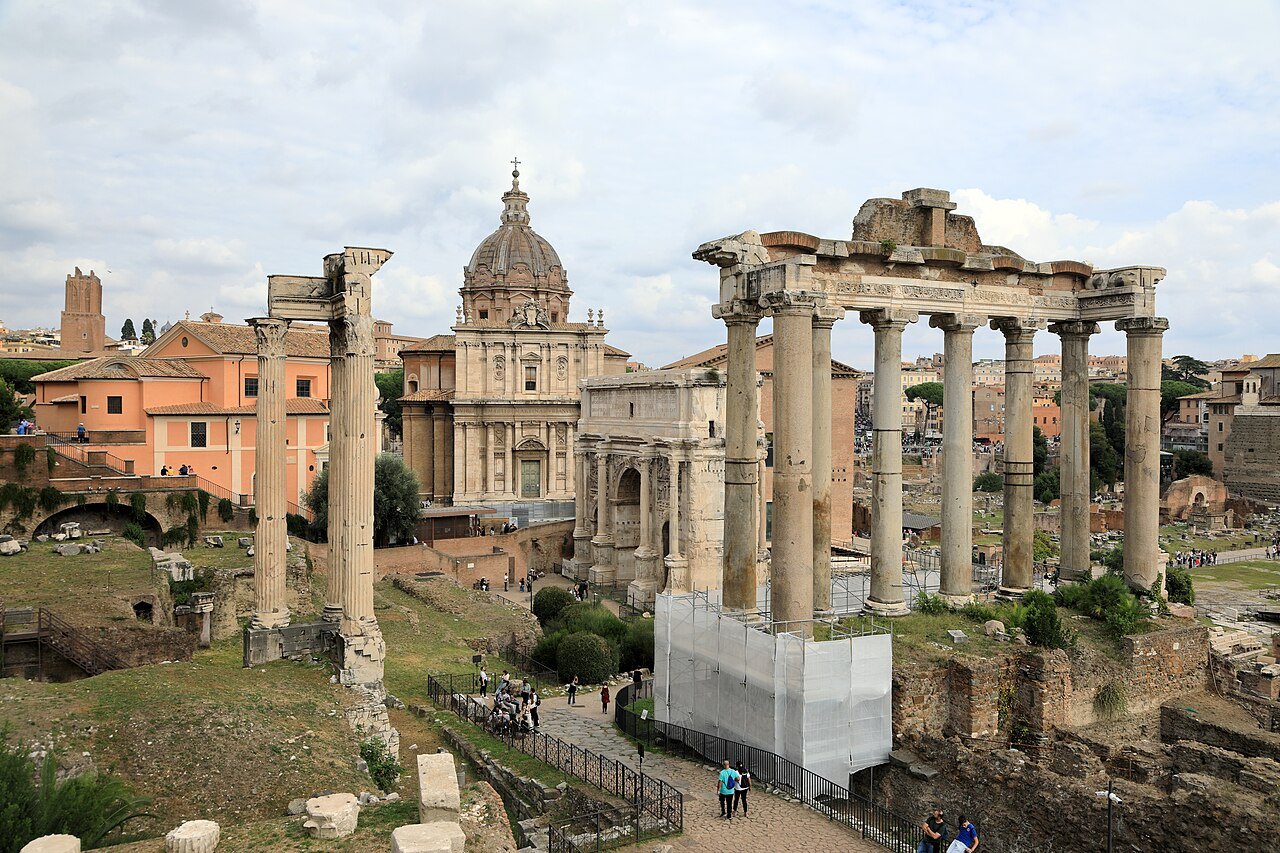
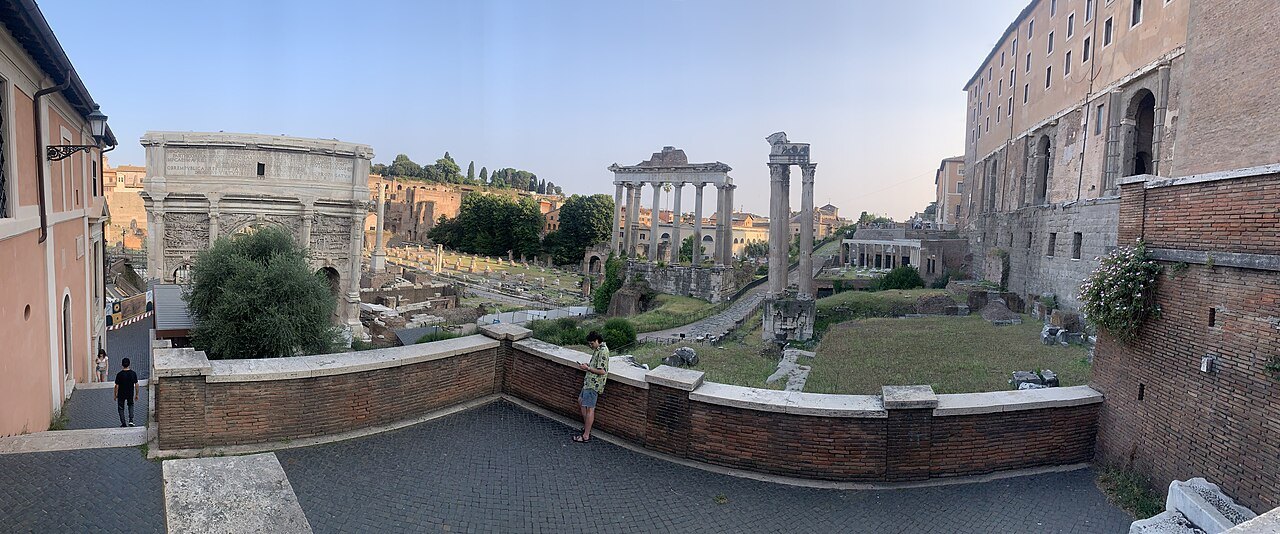
At the Capitoline end of the Via Sacra stands the white marble Arch of Septimius Severus, dedicated in 203 to that emperor's victories in the east with his two sons, and still one of the most visible landmarks in the Forum. A triumphing general in earlier centuries would have crossed this same ground even before the arch existed, since it marks the final approach to the hill.
Beside the arch stand the eight columns of the Temple of Saturn, rebuilt in 42 BC, which also served as the state's bank. Across the square rises the tall brick Curia, the Senate house that Julius Caesar began in 44 BC and Augustus completed in 29 BC. Both buildings framed the final stretch of the route, watching generals pass on their way up to the Capitoline.
The crowd gathered here and in the basilicas that lined the square, since the Via Sacra was also where Romans came daily to talk, gamble, do business and seek justice. On the day of a triumph that same space, normally full of ordinary Roman life, filled instead with soldiers, spoils and captives moving toward the hill.
Past the Oldest Shrines
Farther along the Via Sacra, toward the southeastern end of the Forum, stood the oldest sacred ground in the city: the Regia, the ancient royal residence, and the round Temple of Vesta, where Corinthian columns on a round podium still mark the spot where the holy fire representing the safety of Rome once burned.
Behind the temple lies the House of the Vestal Virgins, home of the priestesses who tended that fire, set between the Regia and the Palatine. The remains of the altar of Julius Caesar stand nearby, on the ground between his funeral pyre and the Regia; people still leave flowers there, and a commemoration is held each year on March 15, the day of his death.
These were not just quiet shrines. A triumph passed close to the holiest places in the city, so the ceremony was as much a religious act as a military one, with each sacred point along the Via Sacra witnessing the general's passage before he reached the Capitoline where the gods were formally thanked.
The Grand Buildings Further On
Toward the Colosseum end, the Via Sacra passes the Temple of Antoninus and Faustina, whose ancient portico survives intact though the building became the church of San Lorenzo in Miranda, its Baroque facade rising oddly behind the old columns. Beyond it stand the three enormous vaults of the Basilica of Maxentius.
When it was completed, the Basilica of Maxentius was the largest building in the Forum and the last Roman basilica ever built in the city, a sign of how much had changed since the early triumphs of the Republic passed this same stretch of road centuries earlier, when the buildings nearby were far smaller and the square itself held far fewer monuments.
These buildings mark the final stretch before the Via Sacra climbs toward the Arch of Titus, and together with the temple and basilica already passed, they show how the street kept gathering new monuments long after the earliest generals had walked it in their processions, each generation adding a grand structure of its own beside the road.
The Arch of Titus and Its Scenes
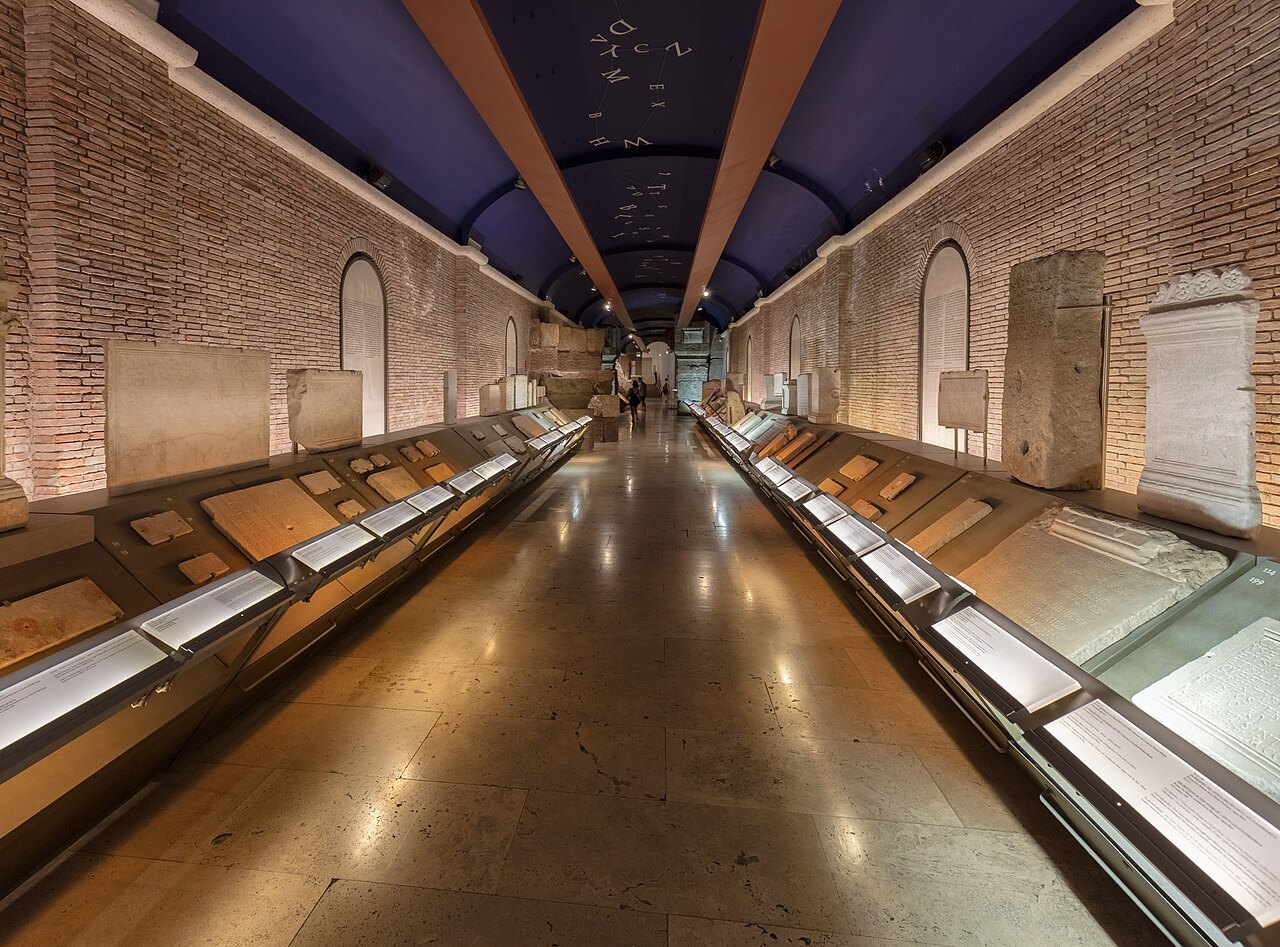
The Via Sacra climbs from here to the Arch of Titus, built around 81 by the emperor Domitian after the death of his brother Titus, to honor Titus's deification and the victory he had shared with their father Vespasian over the Jewish rebellion. It stands where the street leaves the main square of the Forum and begins its final rise.
The arch's inner panels carry one of the clearest surviving depictions of a Roman triumph anywhere in the city: the procession of 71, held after the fall of Jerusalem, shown moving along this very route with soldiers carrying objects taken from the Temple in Jerusalem. They are among the few contemporary images of those objects to survive.
From the arch the path turns up onto the Palatine hill, and the Colosseum comes into view down the slope. The two monuments, arch and amphitheater, belong to the same decades of imperial building, and together they mark how far a triumphal procession reached, from the old religious heart of Rome out toward its newest entertainments.
What the Route Does Not Show
It is tempting to read the Via Sacra as a road unchanged since Caesar's day, but the ruins are a layering of many centuries: Republican temples rebuilt under later emperors, imperial arches, a late Roman basilica, and a medieval church fitted inside an ancient temple. The street a triumph used in one century looked different from the street used in another.
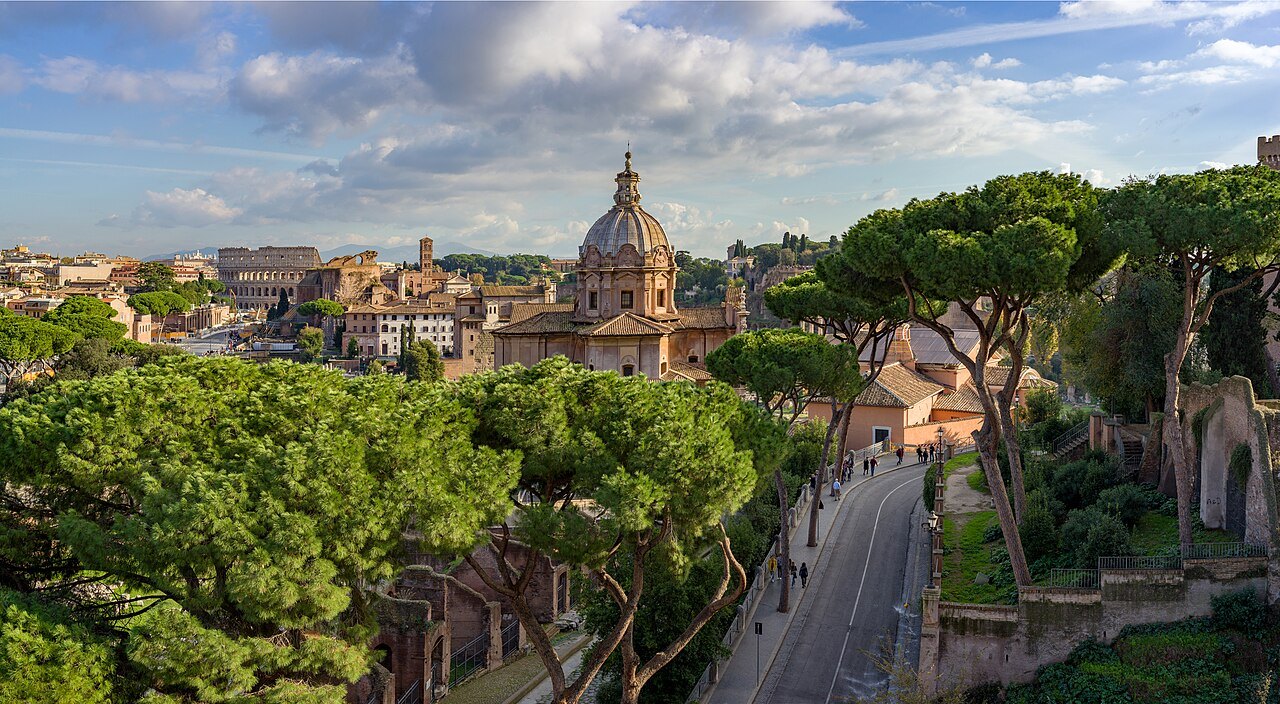
The stretch of the Via Sacra between the end of the Forum and the Colosseum, running under the Arch of Titus, was itself laid out only after the Great Fire of 64, so even the most famous part of the triumphal route visitors walk today postdates many of the triumphs once celebrated on it.
What survives is a single excavated level, cleared by archaeologists from debris that had buried the Forum for centuries, so a visitor sees columns, arches and pavement from very different periods standing side by side, as though built at once, though they were raised, altered and rebuilt across more than a thousand years of Roman history.
Visiting the Via Sacra Today
The Forum, including the Via Sacra, belongs to the same archaeological park as the Colosseum and the Palatine hill, and online tickets covering all three sights are sold only through the park's official ticketing site, never through other resellers; the booking ahead page explains how to buy them and what to check before arriving.
Allow two hours for the Forum and the Palatine together, since the Via Sacra runs through the heart of both and connects most of the major ruins described here. There is very little shade along the route, and the ancient paving is uneven, so comfortable shoes and water matter more than on many other Rome visits.
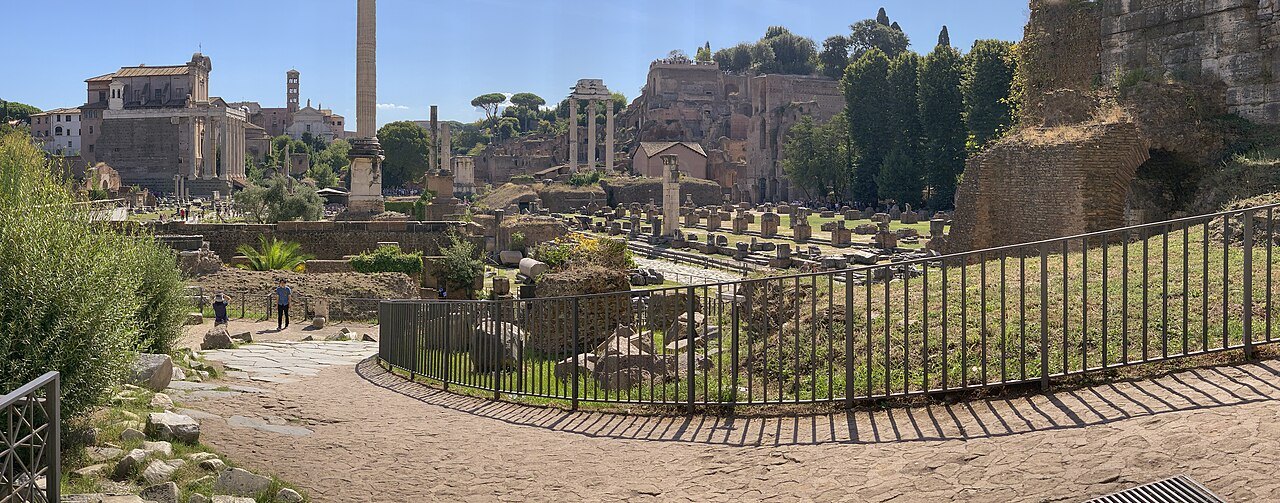
Because the Forum sits in a valley between two hills, an overview from above helps make sense of the Via Sacra's path before walking it. Start from the Palatine or from the Capitoline side, then come down to trace the route from the Arch of Septimius Severus toward the Colosseum.
Read next
More from the journal
- The ColosseumWhy is so much of the Colosseum missing?The story behind the Colosseum's missing outer wall, stripped stone, and centuries of reuse.Read the piece →
- The ColosseumHow were wild animals raised into the arena of the Colosseum?How shafts, pulleys and platforms beneath the Colosseum's sand raised wild animals into the arena above.Read the piece →
- Getting HereHow do you get from Fiumicino Airport to central Rome?Most visitors take the Leonardo Express, the non-stop train from the airport's own station to Roma Termini. How to find the train, when the regional FL1 line makes more sense, how to recognize an official taxi and its fixed fare to the center, and what to ignore on the way out.Read the piece →