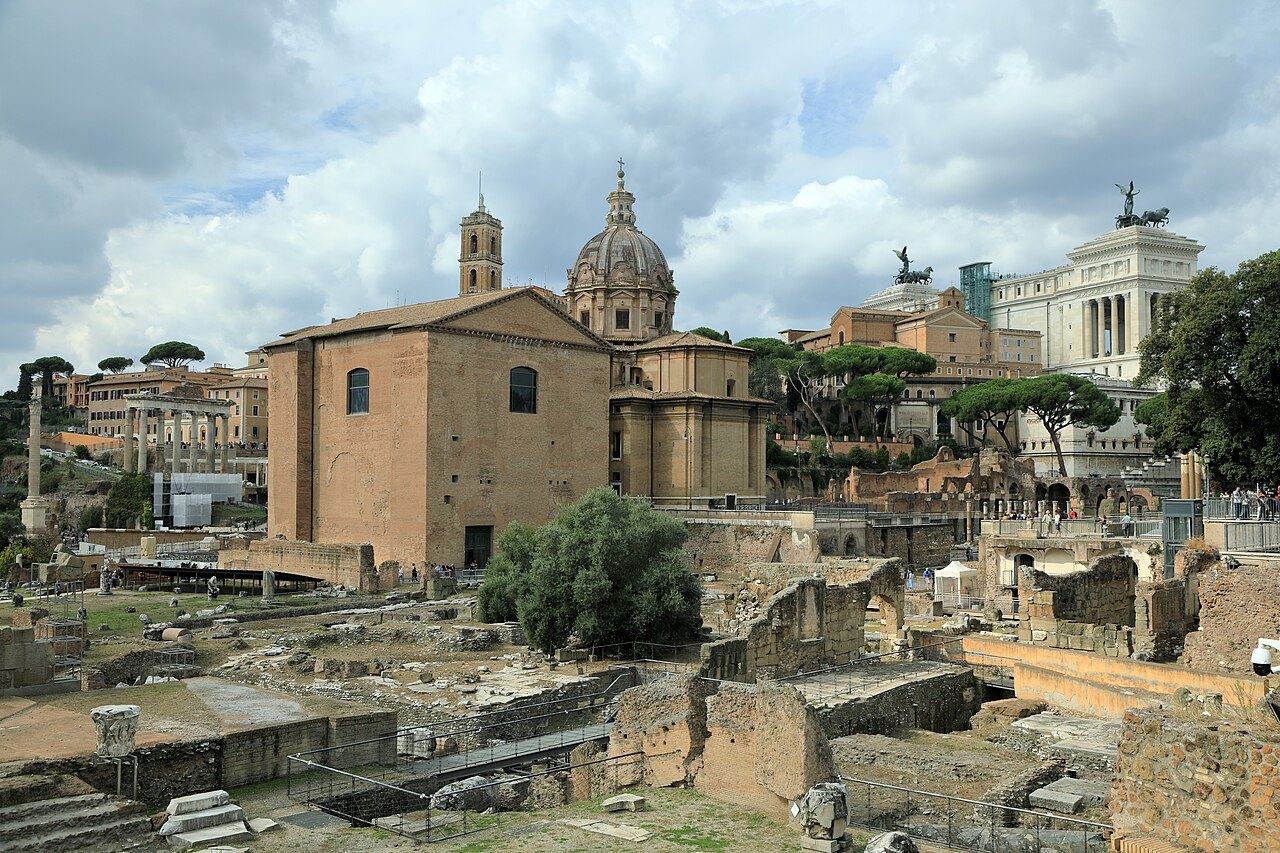
GUARDIANS OF ROME'S SACRED FIRE
Who were the Vestal Virgins and where did they live?
The priestesses who tended Rome's eternal flame, and where their house still stands in the Roman Forum.
The answer in full
Read on
The priestesses of the sacred fire
The Vestal Virgins were the priestesses charged with tending the sacred fire that burned inside the round Temple of Vesta, a flame that stood for the safety of Rome itself. Letting it go out was treated as a grave omen, so relighting and guarding it sat at the center of their work for centuries.
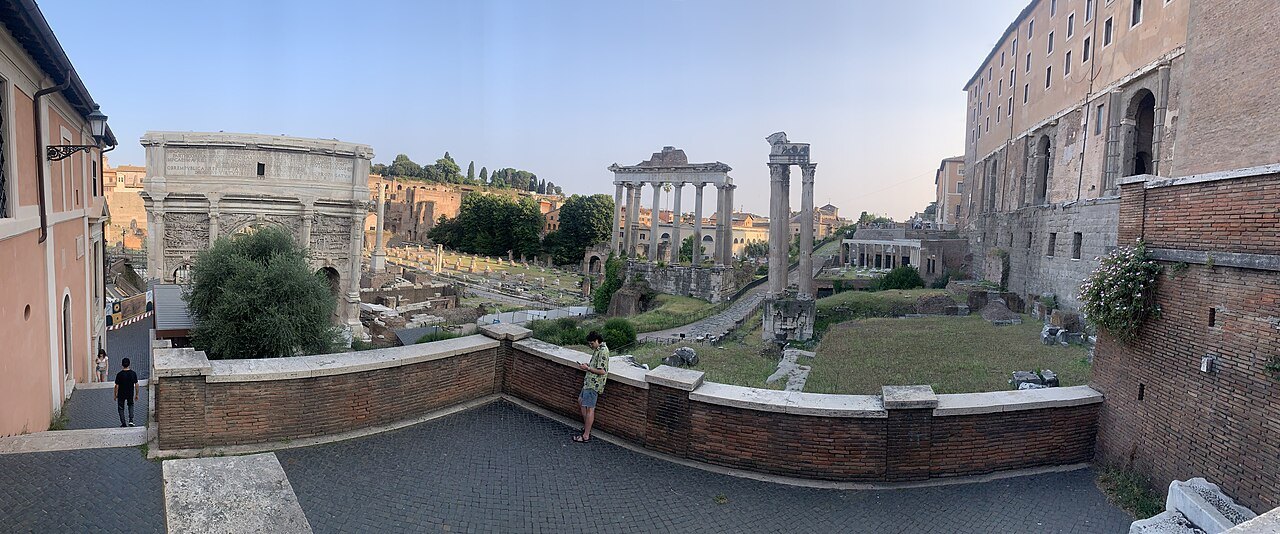
Their cult belonged to Rome's oldest religious institutions, and their shrine stood among the very first sacred sites built in the valley that became the Forum, alongside the Regia, the ancient royal residence, at its southeastern edge. Fire and kingship together marked the Forum's earliest sacred core, long before the temples and basilicas around the square took shape.
Because the fire was bound up with Rome's survival, the women who kept it occupied an unusual place in Roman religious life, set apart from ordinary households and devoted entirely to this single, continuous task for the state. Their presence at the heart of the Forum reflected how closely that one flame was tied to the city's own fortunes.
The site of their shrine predates almost everything else now visible in the square. Long before the Arch of Septimius Severus or the Basilica of Maxentius rose at the Forum's edges, the fire of Vesta and the Regia beside it already stood in what was then a marshy valley only slowly drained and raised by flood silt.
The Temple of Vesta
The Temple of Vesta is one of the Forum's most recognizable ruins: a round structure with Corinthian columns on a round podium, a shape that set it apart from the rectangular temples nearby. The round form was itself traditional, echoing an early Roman hut rather than the Greek-style temples built elsewhere in the city.
It stood among the oldest shrines of the Forum, at the square's southeastern edge, close to the Regia and within sight of the slope rising toward the Palatine. This placement, away from the Forum's busier commercial and political core, suited its quieter, continuous ritual purpose, set apart from the crowds filling the basilicas along the Via Sacra.
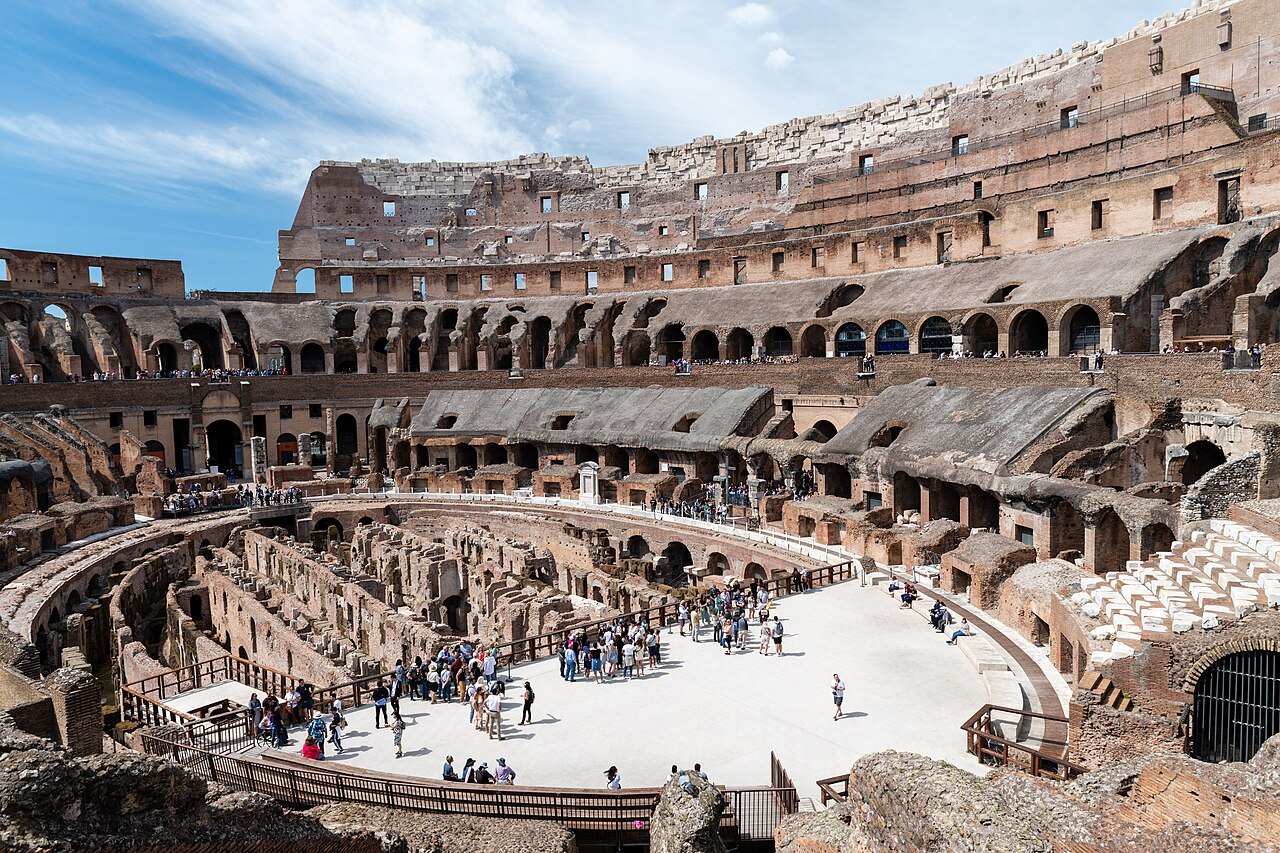
Like much of the Forum, the temple visitors see today is not a single original building but the product of repeated rebuilding across centuries, part of the pattern by which Republican shrines were restored under the emperors. What survives is the podium and a run of columns rather than a complete structure.
The site is exposed to the sun with little shade, and the ancient pavement is uneven underfoot across this part of the Forum, a reminder that the valley sits well below the modern street after centuries of flooding and rebuilding. Comfortable shoes and some water are worth carrying.
The House of the Vestal Virgins
Directly behind the Temple of Vesta lie the remains of the House of the Vestal Virgins, the residence of the priestesses who kept the sacred fire. The site lies between the Regia and the Palatine hill, tying the Vestals' daily life physically to both the old royal house and the hill where emperors later built their palaces.
The house functioned as the Vestals' home for as long as they held office, set within the same sacred precinct as their temple rather than apart from it. Its ruins give visitors one of the clearest surviving traces of how the priestesses' daily life was organized around the square.
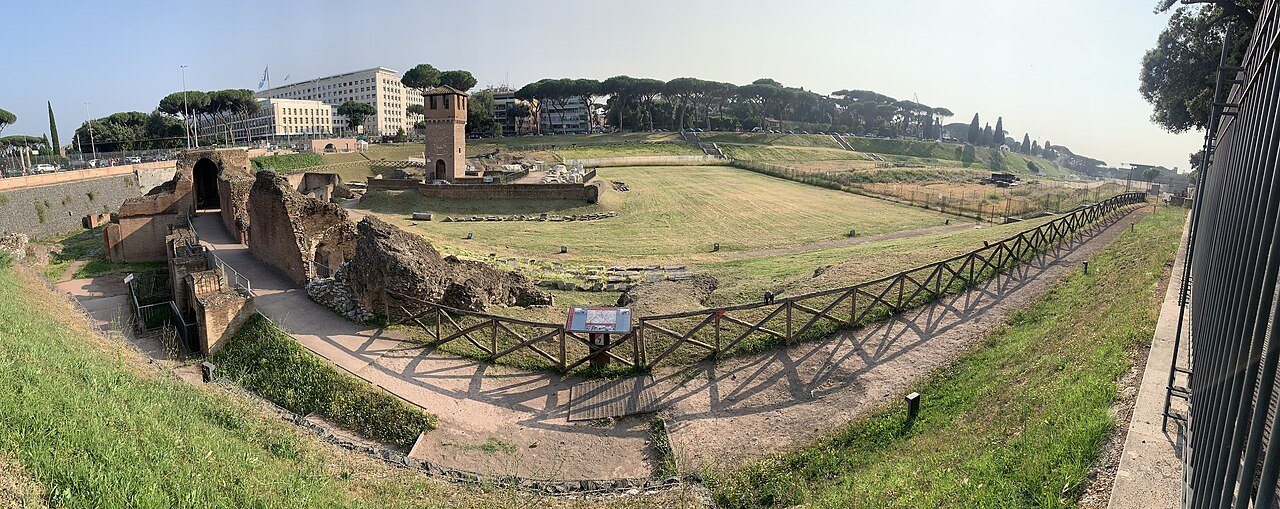
Flooding from the Tiber and soil washed down from the hills steadily raised the ground level of the valley century after century, so the remains of the house, like the temple in front of it, now sit well below the modern street, one more trace of how much material has built up since antiquity.
From here the Via Sacra climbs on toward the Palatine, making the Vestals' quarters a natural point to pause before continuing up the hill, where the Colosseum comes into view down the slope.
Who served, and for how long
Vestal priestesses were drawn from Rome's noble families, chosen as young girls and bound to the role for a long span of service, traditionally understood as about three decades, during which they took a vow of chastity tied to their duty of guarding the fire.
In return the Vestals held a standing few Roman women shared: they were released from the usual legal authority of a father or husband, and enjoyed honored places at public occasions. Their status reflected how closely their task was identified with the city's own security.
Service was long and structured, moving through stages of training, active duty tending the fire, and later teaching newer priestesses, a career that could occupy most of a woman's adult life.
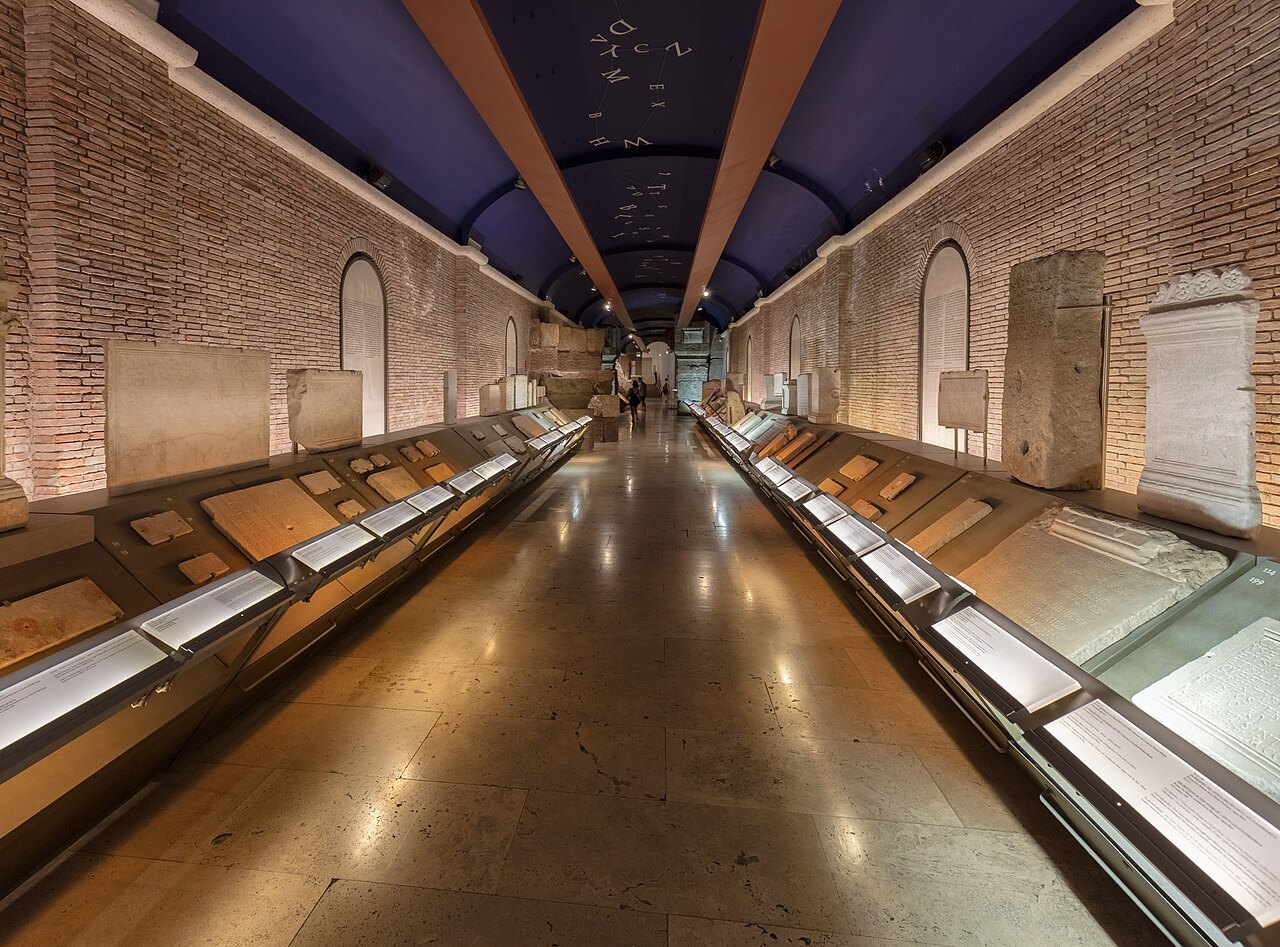
Breaking the vow of chastity was treated by Roman tradition as an offense against the state's safety, not merely a personal matter, and was punished with severity. The seriousness of that penalty reflects how directly Romans linked the Vestals' conduct to the fate of Rome.
The Regia and the altar of Caesar
Beside the Vestals' shrine stood the Regia, the ancient royal residence, one of the oldest buildings in the Forum. Together with the Temple of Vesta it anchored the valley's earliest sacred core, long before the square grew into the busy civic center later visitors associate with Roman law and politics.
Nearby, the remains of the altar of Julius Caesar mark the spot built in 29 BC between his funeral pyre and the Regia, part of the Forum's final form under Augustus. Visitors still leave flowers there, and commemorations are held each year on March 15, the day of Caesar's death.
This corner of the Forum, from the Regia and Vesta's fire to Caesar's altar, lay along the Via Sacra, the city's main street and the route of the Roman triumph, where a victorious general was paraded past these oldest shrines on the way into the city.
Finding the site on a visit
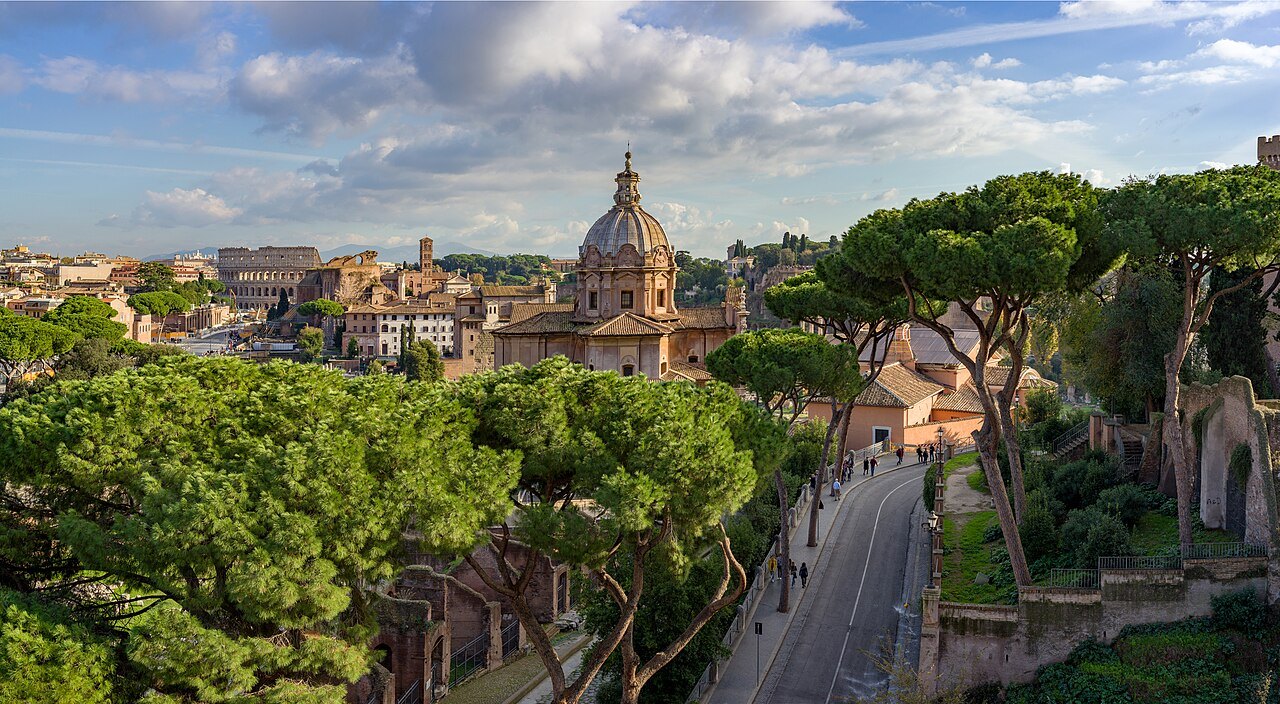
The Temple of Vesta and the House of the Vestal Virgins stand along the Via Sacra, the Forum's main street, close to the remains of the altar of Julius Caesar described above and within easy reach of the Arch of Titus further up the slope.
The Forum belongs to the same archaeological park as the Colosseum and the Palatine, and tickets for all three are sold together through the park's own official channel; the booking ahead page explains how to buy and what to check before arriving.
Allow around two hours to cover the Forum and the Palatine together, since the two sites form a single visit. There is little shade across the open ground, and the ancient paving is uneven in many places, a point worth remembering for anyone with mobility concerns.
Myths worth setting aside
What survives at the Temple of Vesta and the Vestals' house is not the Forum as it looked in any single moment of their service. Like the rest of the square, this corner was rebuilt and repaired across many centuries, so the stones visible today layer Republican and imperial work rather than preserving one original scene.
The Via Sacra itself is partly a later creation: its stretch between the end of the Forum and the Colosseum, passing under the Arch of Titus, was laid out only after the Great Fire of 64, long after the Vestals had already kept their fire burning for centuries.
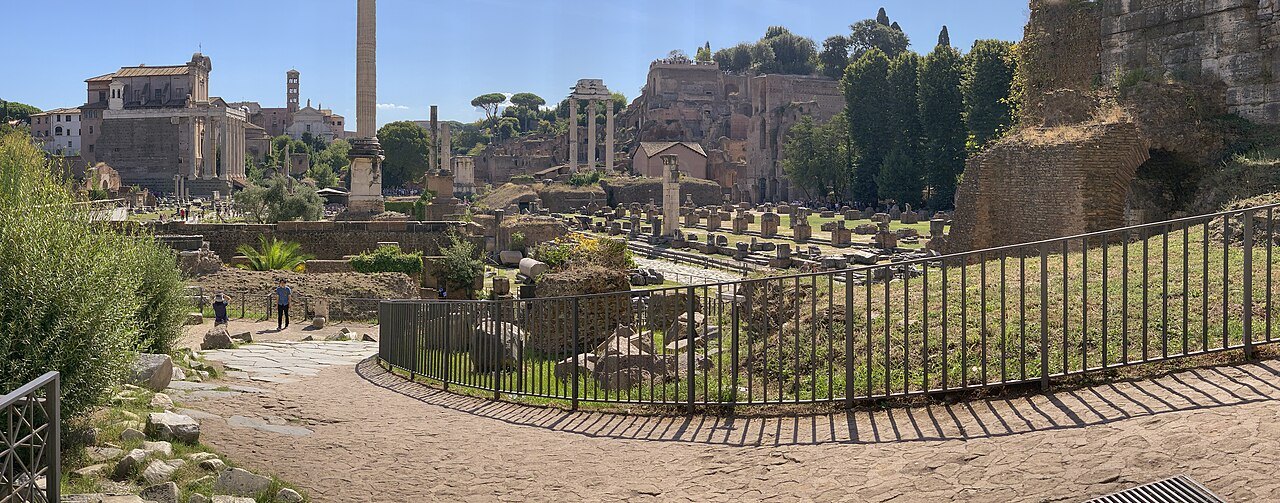
Systematic excavation of the Forum only began in the nineteenth century, and digging nearby has continued since, including recent work near the Lapis Niger that has turned up evidence older than Rome's traditional founding date. The Vestals' precinct, like the rest of the site, keeps yielding new evidence about how early it truly was.
Read next
More from the journal
- The Roman ForumWhat happened on the Via Sacra in a Roman triumph?How Rome's victorious generals paraded down the Via Sacra, and what still marks their route through the Forum.Read the piece →
- The ColosseumWhy is so much of the Colosseum missing?The story behind the Colosseum's missing outer wall, stripped stone, and centuries of reuse.Read the piece →
- Getting HereHow do you get from Fiumicino Airport to central Rome?Most visitors take the Leonardo Express, the non-stop train from the airport's own station to Roma Termini. How to find the train, when the regional FL1 line makes more sense, how to recognize an official taxi and its fixed fare to the center, and what to ignore on the way out.Read the piece →