A MIRACLE OF SUMMER SNOW
Why does it snow in Santa Maria Maggiore every August?
The legend of a summer snowfall that gave Santa Maria Maggiore its site, its name, and its yearly feast.
The answer in full
Read on
A Miracle in August
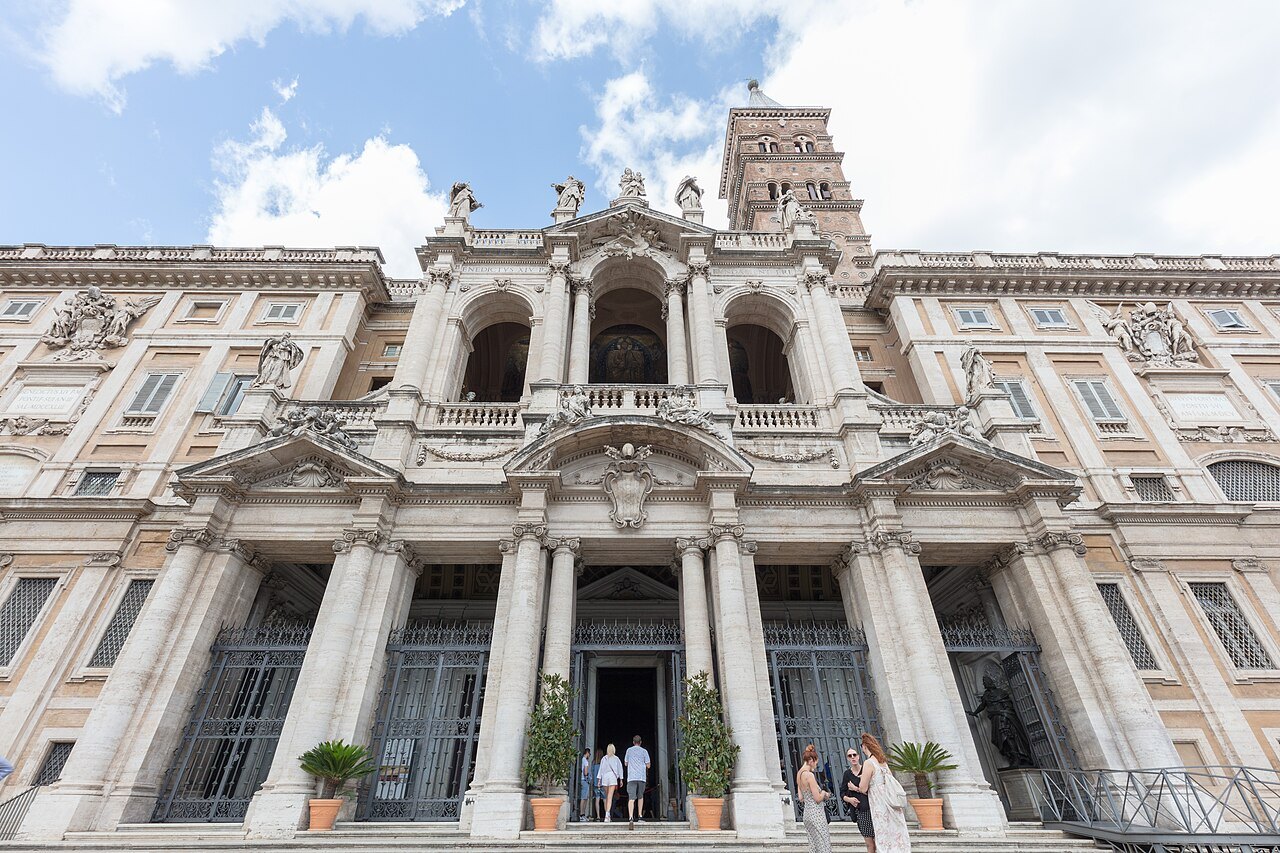
Each year on the fifth of August, Santa Maria Maggiore marks an odd anniversary: a snowfall said to have come down on the Esquiline Hill in the middle of the Roman summer. The story gives the basilica its older name, Our Lady of the Snows, and explains why a church dedicated to the Virgin stands on this particular rise of ground, chosen, tradition says, by the snow itself.
According to the legend, first written down after the year one thousand, a childless Roman patrician named John and his wife wanted to leave their property to the Virgin but did not know how to use it. They prayed for a sign. On the night of the fifth of August, at the height of summer heat, snow fell and covered the top of the Esquiline Hill, and in a vision the Virgin told them to build her church where the snow had settled.
The story adds a second witness: Pope Liberius, who ruled Rome in the fourth century, is said to have dreamed the same snowfall that same night and gone up the hill the next morning to find it covered in white. He is said to have marked out the plan of the church himself, tracing its walls in the snow before it melted in the summer sun.
The Feast That Keeps the Story Alive
The legend is not simply a tale told to visitors; it is reenacted every year on the feast of the dedication of the basilica. During Mass, white rose petals are released from an opening in the dome and drift down over the congregation, standing in for the snow said to have fallen on the same spot some sixteen centuries earlier.
The custom turns an old story into something a visitor can actually watch, if a visit happens to coincide with the feast. It is one of the few moments in Rome where a medieval legend is performed rather than only told, with the architecture of the dome itself doubling as the stage for a miracle that, officially, never happened where the church now stands.
An early fifteenth-century painting by the artist Masolino shows the miracle directly: snow falling from a clear sky onto the summit of the hill, with the Virgin appearing above it and Pope Liberius and the patrician couple looking on. It is one of several works of art across Rome that have kept the Our Lady of the Snows story visible long after it was first written down.
A Church Older Than the Story
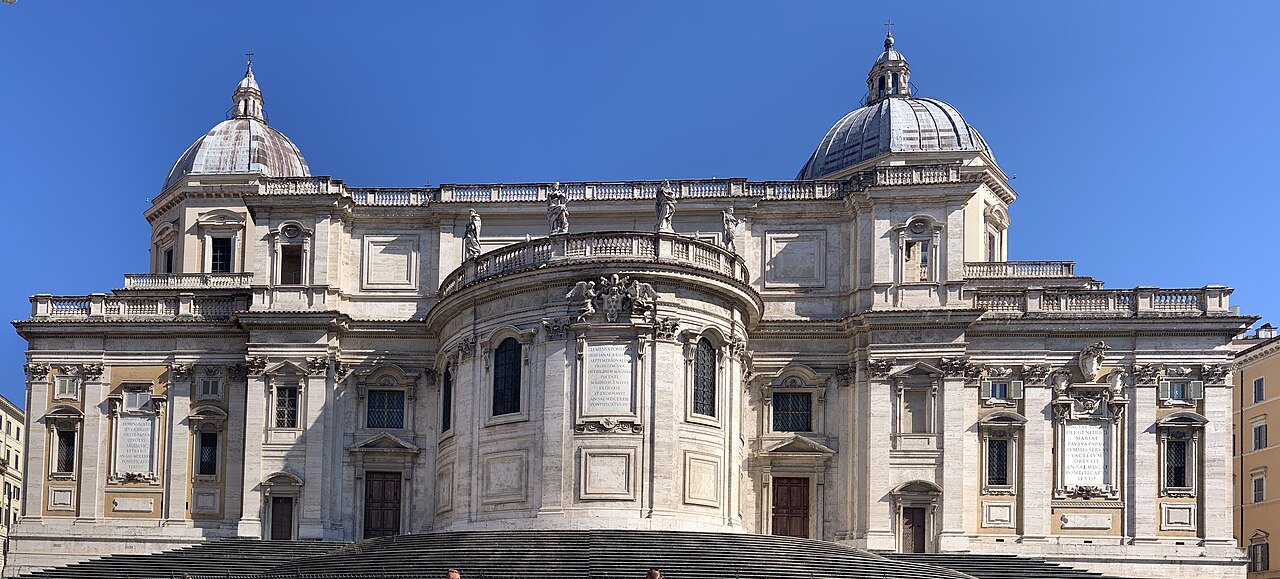
The building the legend is attached to is real and far older than the tale itself. The present basilica was built on the Esquiline Hill in the fourteen-twenties and fourteen-thirties and consecrated by Pope Sixtus III on the fifth of August in the year four hundred thirty-four, the same calendar date the snow legend later claimed for itself.
That timing is not a coincidence invented centuries later for poetic effect; it links the church to a real event in the life of the early Church. The basilica rose just after the Council of Ephesus of four hundred thirty-one declared Mary the Mother of God, and Sixtus III built it to celebrate that decision, not to commemorate a snowfall no contemporary writer mentions.
The inscription on the triumphal arch, Sixtus the bishop to the people of God, still records the pope's part in the project. It is a plain statement of patronage from a bishop of Rome marking a theological victory, centuries before anyone wrote down a story about snow falling on a Roman patrician's land in August.
Why the Snow Story Took Hold Later
The legend of Our Lady of the Snows was first recorded after the year one thousand, which puts its earliest written version roughly six centuries after the basilica was actually built and dedicated. By then, the true circumstances of its founding, a papal response to a Church council, had receded, and a more vivid, personal story of patrons, visions and miraculous snow had taken its place.
Medieval Rome liked origin stories that involved divine intervention and a founding miracle, and a summer snowfall on the Esquiline gave Santa Maria Maggiore exactly that. It also gave the church a second, more memorable name, one that still appears on maps and guidebooks today alongside its official title as Saint Mary Major.
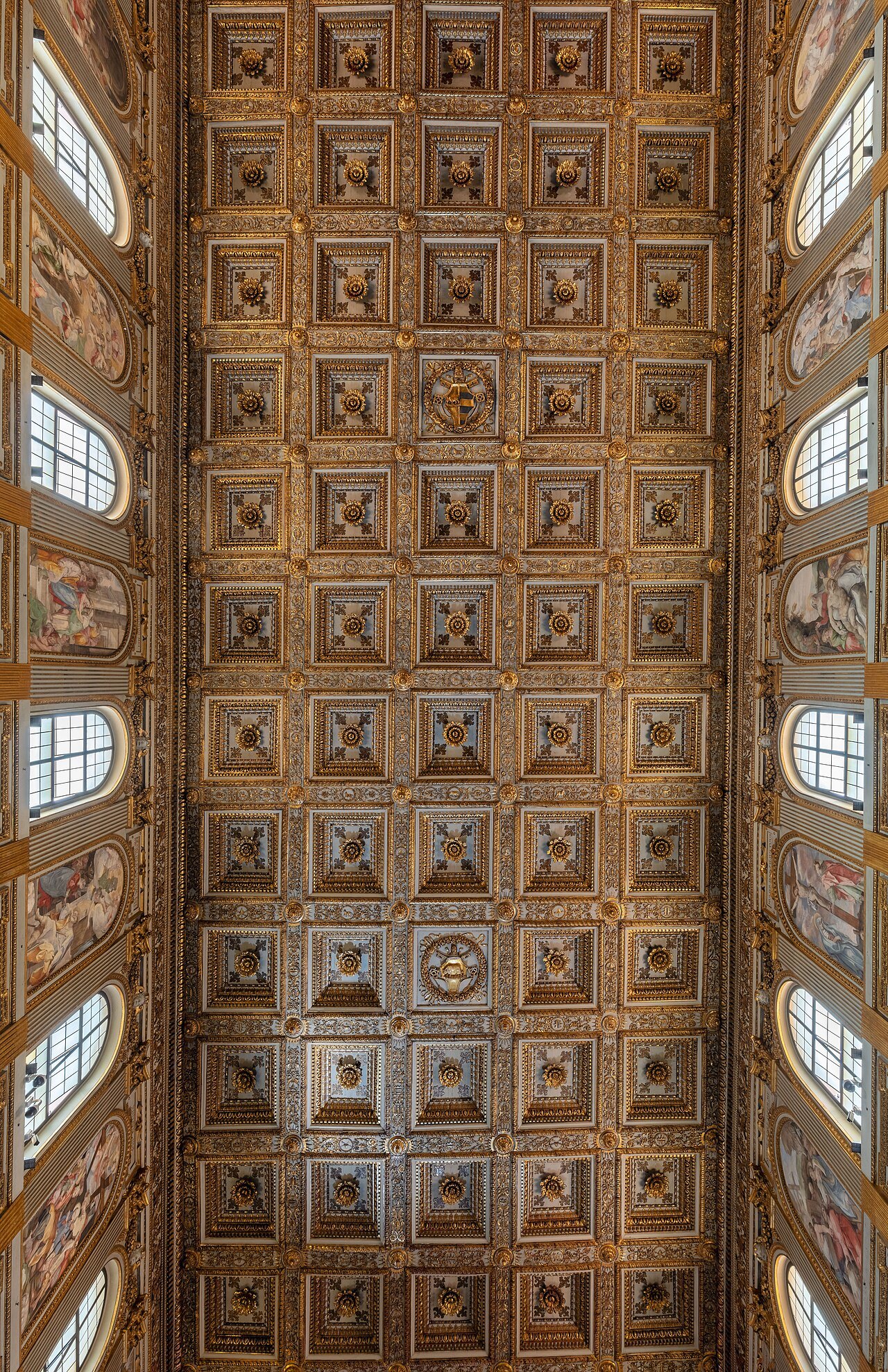
The mosaics that survive from the fifth century inside the basilica, along the nave and on the triumphal arch, tell the real story the builders wanted told: the life of the Virgin and of Christ, and Old Testament scenes such as Moses striking the Red Sea, rather than any snowfall.
What the Legend Explains, Inside the Church
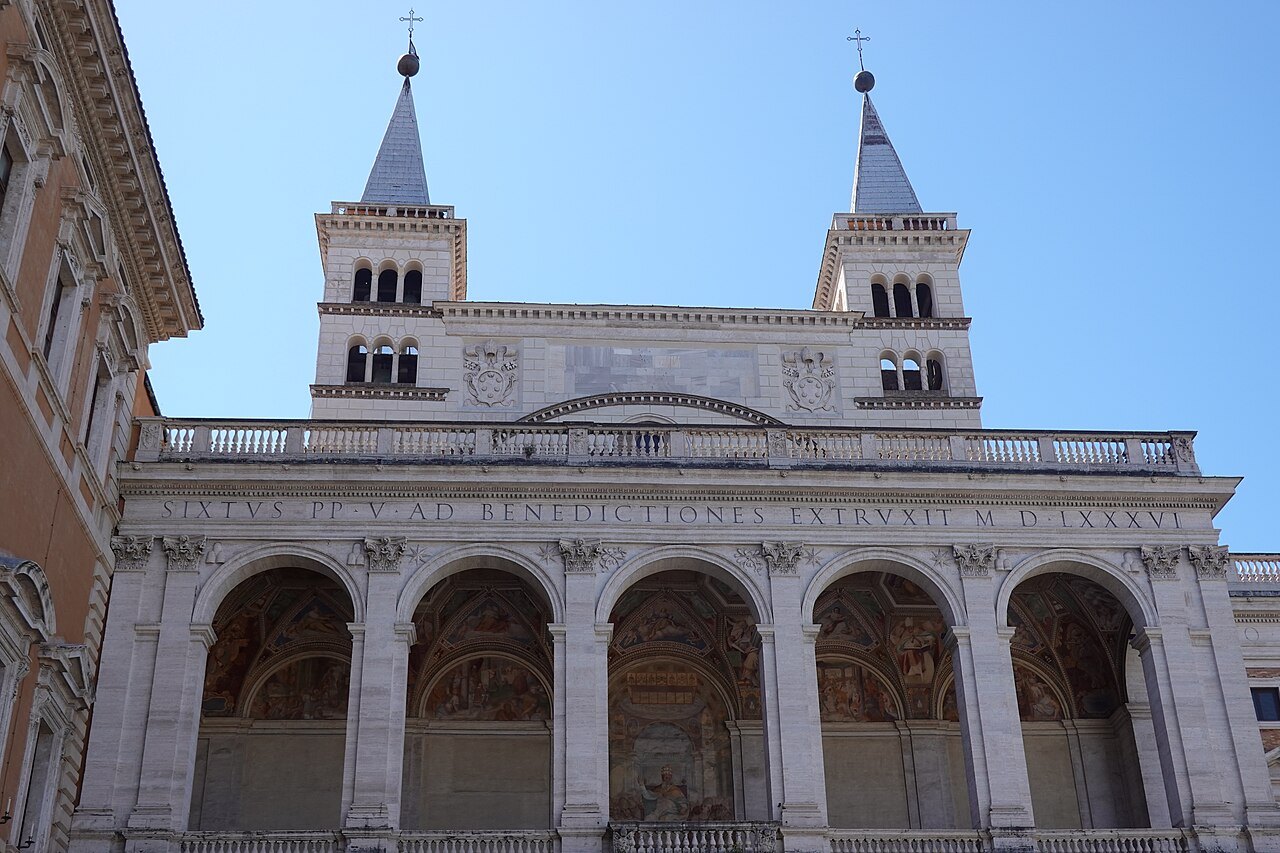
Walking into the basilica, the snow story is easiest to connect to the Sistine Chapel and the Pauline, or Borghese, Chapel, the two great domed chapels that face each other across the nave. It is from the dome above the nave, not from either chapel, that the white rose petals are released on the feast day, echoing the snow said to have fallen on the hill outside.
The church was long known by another name, Saint Mary of the Crib, for its relic of the manger of the Nativity, sycamore boards believed to have reached the church in the seventh century, a reminder that the Our Lady of the Snows story is only one of several legends the basilica has carried through its long history.
Visitors who want to see how the legend has been told in art, rather than just read about it, can look for the early fifteenth-century Masolino painting of the miracle, and compare it with the genuine fifth-century mosaics nearby, a useful way to separate medieval storytelling from the church's actual Roman origins. See the Santa Maria Maggiore page for the layout of the nave and chapels.
Myths Worth Setting Aside
Two claims about Santa Maria Maggiore are worth treating carefully. The first is the snowfall itself: no writer closer to the year four hundred thirty-four mentions it, and the earliest surviving account dates from around six hundred years later, which makes it a medieval legend attached to a much older building rather than a contemporary record of events on the Esquiline.
The second is the claim, repeated in some guides, that Santa Maria Maggiore was the first church in Rome dedicated to the Virgin Mary. Santa Maria in Trastevere makes the same claim for its own ancient throne, and the fact base does not settle which came first, so a visitor is better off treating both as rival traditions rather than settled fact.
What is certain is the date, the fifth of August four hundred thirty-four, and the reason behind it, the Council of Ephesus of four hundred thirty-one. The snow is a story Rome has told about itself for a thousand years; the mosaics, the arch inscription and the dedication date are the evidence that has survived from the church's actual founding.
Read next
More from the journal
- TrastevereWhat is the oldest church in Trastevere?Why Santa Maria in Trastevere, not Santa Cecilia, holds the strongest claim to being the rione's oldest church.Read the piece →
- The RioniWhy are the districts of Rome called rioni?Old Rome is divided into twenty-two rioni, numbered from Monti to Prati, and their names are carved at street corners. Where the word comes from, how fourteen ancient regions became twenty-two modern districts, what the 1744 plaques are, and how to use the numbers to find your way.Read the piece →
- Piazza del Popolo and the PincioHow did an Egyptian obelisk come to stand in Piazza del Popolo?How Augustus, Domenico Fontana and Pope Sixtus V brought a pharaoh's obelisk to the center of Piazza del Popolo.Read the piece →