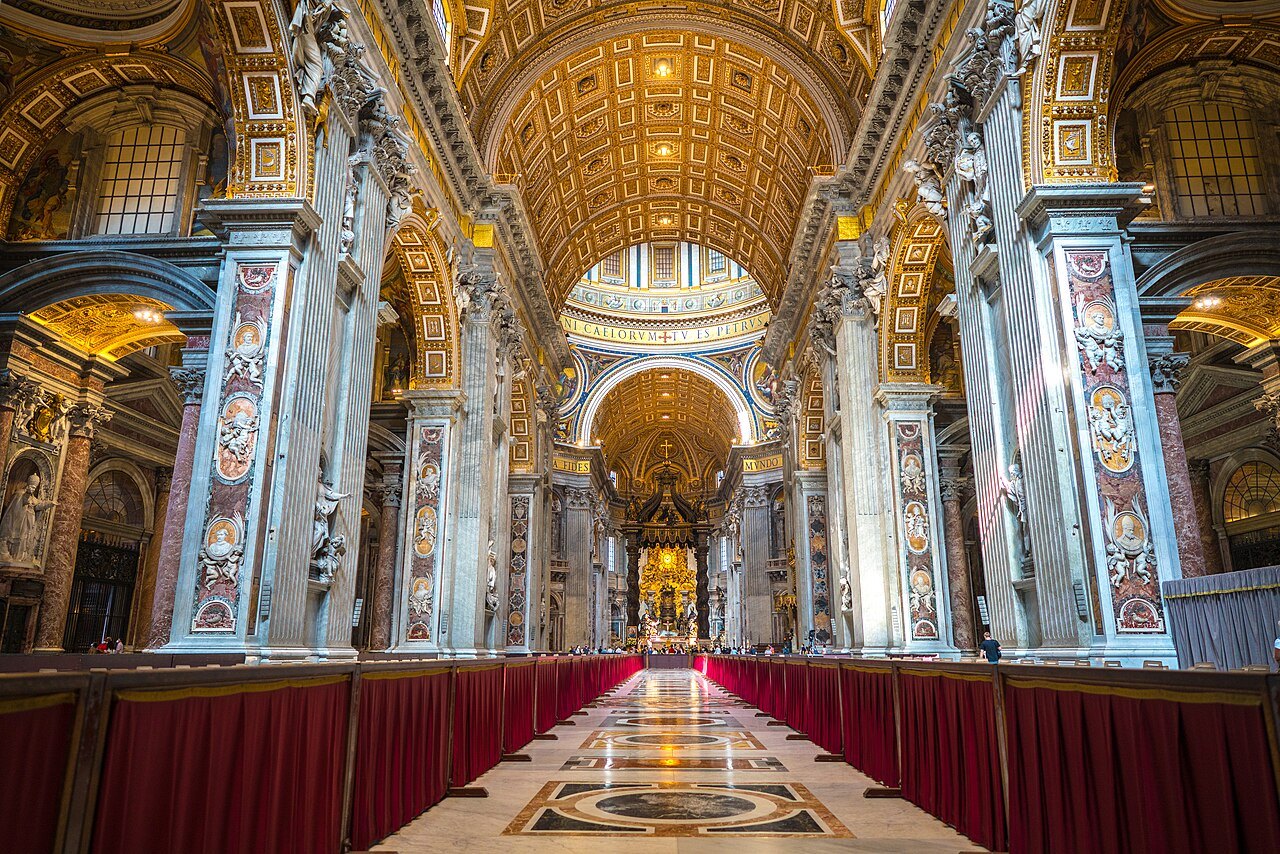
BENEATH THE HIGH ALTAR
Is Saint Peter really buried under the basilica?
What tradition, old building choices, and the basilica's own layout suggest about Saint Peter's burial place.
The answer in full
Read on
Why the Question Matters
St. Peter's is one of the holiest places in Christianity, traditionally the burial place of Saint Peter, the leader of the apostles and, in Catholic teaching, the first bishop of Rome. It is the largest church in the world by interior measure and one of the most renowned works of Renaissance architecture, and its dome is a feature of the skyline of the whole city.
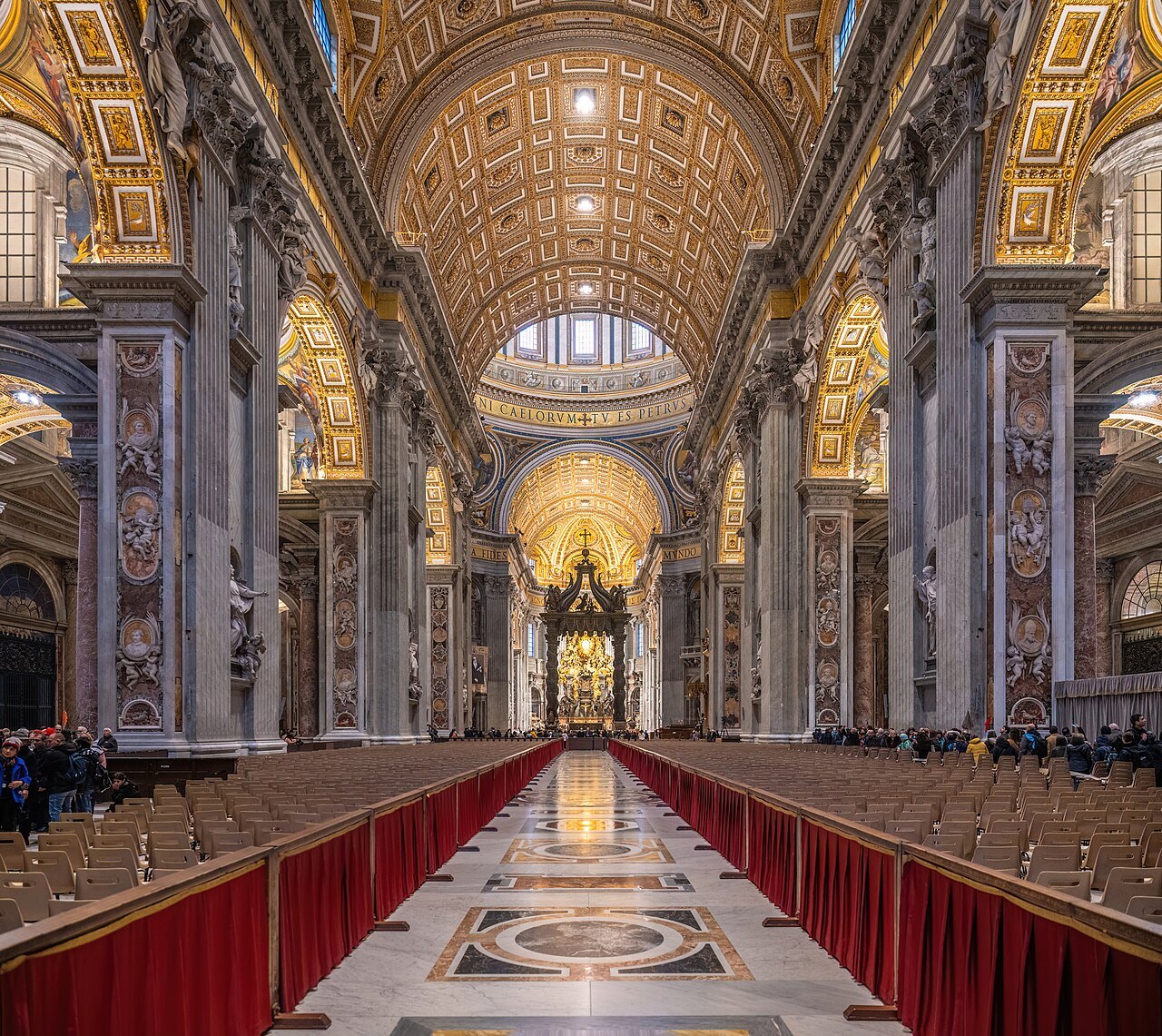
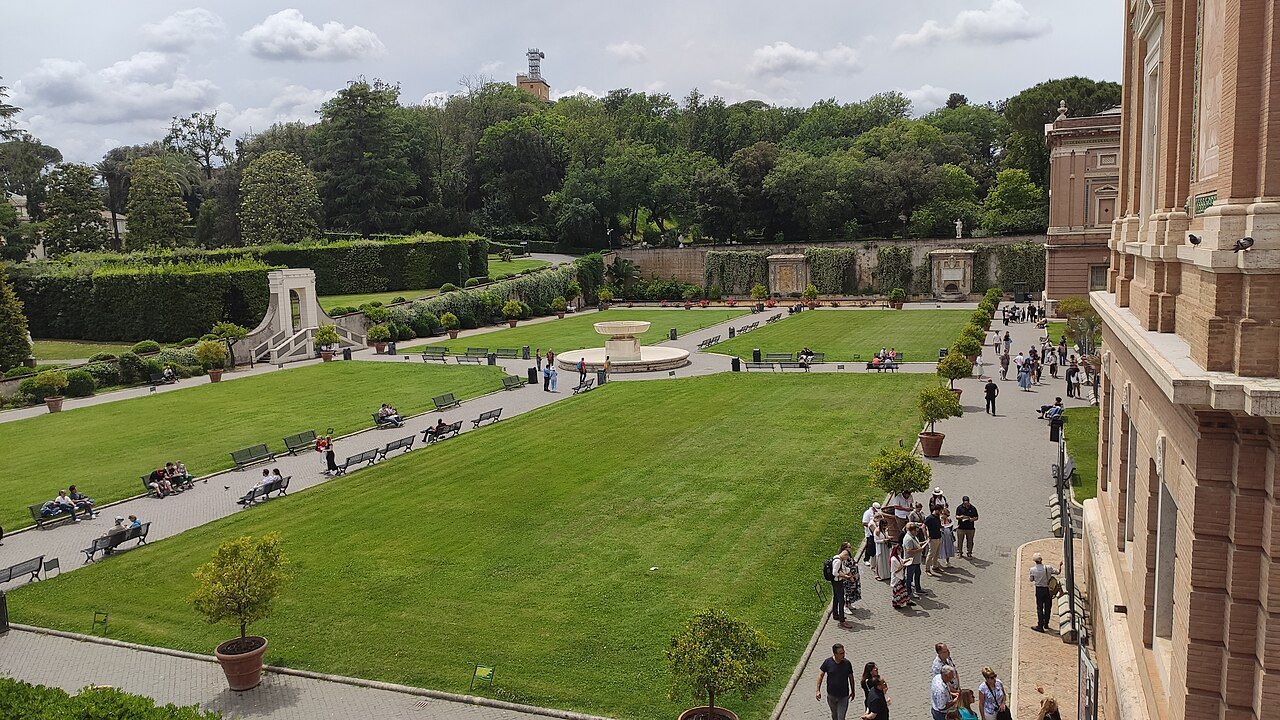
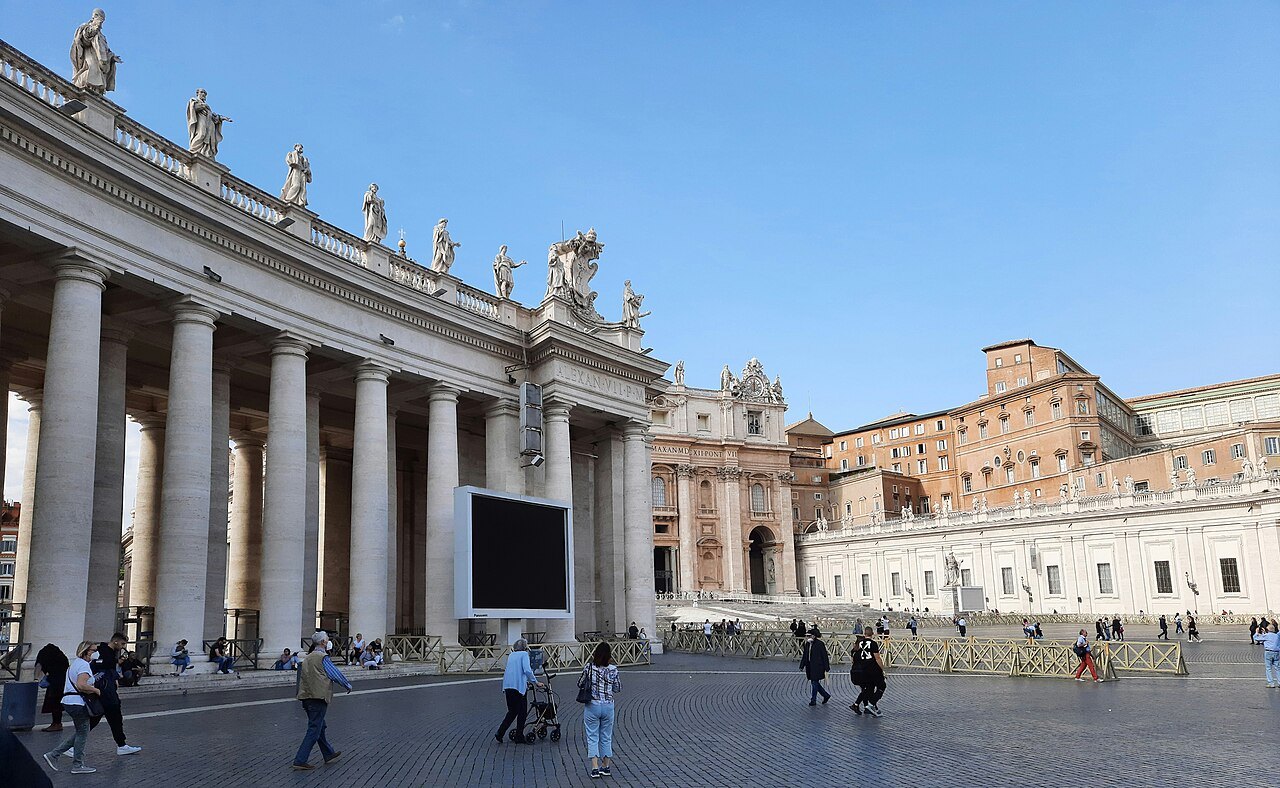
Unlike Rome's other major basilicas, St. Peter's stands wholly within Vatican City, a sovereign state separate from Italy, created by the Lateran Treaty of 1929. No border post marks the change, but the square and the basilica are Vatican ground, chosen in antiquity for one specific reason: the belief that Peter's grave lay somewhere beneath it. Readers curious about the state itself can turn to Vatican City.
Asking whether Peter truly lies under the high altar is really asking how much weight a very old, continuous tradition can carry when no contemporary Roman record survives to confirm it directly. The strongest evidence, as it turns out, is not a single document but an unbroken sequence of building choices, each one made over the same patch of ground for well over a thousand years.
Peter's Death in Rome
Catholic tradition holds that Peter came to Rome and was martyred there under the emperor Nero, after the Great Fire that devastated the city in the year 64 and that Nero blamed on the city's Christians. The persecution that followed is remembered as the setting for Peter's death and burial in the city.
According to the early Christian writer Jerome, Peter was crucified head downward, having asked for this manner of death because he considered himself unworthy to die in the same way as Christ had. This detail has shaped centuries of Christian art and devotion, even though it rests on a later written account rather than an eyewitness record.
None of this is backed by an official Roman record of the kind that might satisfy a modern historian. First-century Rome kept no registry of executed provincials that has come down to the present, and no inscription from Peter's own lifetime survives naming the place of his death or burial. What exists instead is a tradition carried forward by the early Christian community in the city.
The Shrine Under Constantine's Basilica
The emperor Constantine built the first basilica on this site between 319 and 333, over what was already understood to be a small shrine marking Peter's grave. The church that resulted was no modest structure: more than three hundred and forty feet long, entered through a colonnaded courtyard, built around that single point rather than around convenience.
That is the detail worth noticing: Constantine did not build on an open, easy site and then invite pilgrims to imagine a connection to Peter. He built directly over ground already treated as sacred, in the middle of an existing hillside cemetery, accepting the engineering difficulty that came with keeping the shrine exactly where tradition said it already stood.
This is the oldest physical layer of evidence a visitor can point to: not a surviving tomb inscription naming Peter, but a fourth-century decision to build Christianity's grandest early church on an inconvenient slope, apparently because an existing shrine on that slope was already too important to relocate elsewhere in the city.
Built Over, Never Moved
By the Renaissance, Constantine's basilica was ageing badly, and popes from Nicholas V to Julius II planned to replace it rather than patch it further. Construction of the new basilica began on eighteen April 1506 and did not finish until eighteen November 1626, a project spanning more than a century and several changes of architect.
Through all of that rebuilding, the altar stayed fixed over the same ground as the old one. Bernini's bronze baldachin, about ninety-four feet tall and raised on four twisted columns modeled on ancient ones salvaged from the earlier basilica, marks the papal altar directly above that long-claimed site, continuing a line of construction reaching back through Constantine's church to the original shrine.
Part of the new building's cost was met by selling indulgences, and the scandal over one preacher's methods helped set off the Protestant Reformation, a reminder that the project surrounding this altar was controversial even in its own time, not only in later retelling of the story.
The Chair That Is Not His
Beyond the baldachin, in the apse, Bernini's Chair of Saint Peter encloses a wooden throne long said to be the apostle's own seat, held aloft by bronze figures of the Doctors of the Church under a window of yellow alabaster. It is one of the most photographed features of the whole basilica.
It is worth separating this object from the burial question entirely. The wooden chair inside Bernini's bronze throne is recorded as a gift from the emperor Charles the Bald to Pope John VIII in the year 875, centuries after Peter's death, and was never a seat Peter is likely to have used himself.
The same caution applies to another common assumption: St. Peter's is often called the pope's cathedral, but it is not. The cathedral of the bishop of Rome is St. John Lateran, covered at St. John Lateran; St. Peter's is a papal basilica and a shrine, which rests on a different kind of claim altogether.
What the Visitor Can Actually See
None of this means a visitor can walk up and view an exposed tomb. What stands over the traditional site today is Bernini's baldachin and the papal altar beneath the dome, with the apse and the Chair of Saint Peter beyond it, exactly the view most visitors photograph without necessarily knowing which claim the architecture was built to support.
Visitors who want to look into this question further, rather than take a guidebook's word for it, should check with the basilica's own website and with the Vatican City authorities for information on the area beneath the high altar, since this is a matter the sources available here do not detail any further than tradition and building history allow.
For a wider view of the same question from above, the dome, designed by Michelangelo and completed in 1590, can be climbed on a booked time slot; its inner ring looks straight down into the church and the altar at its heart, the same spot every earlier builder chose to leave untouched.
Read next
More from the journal
- St. Peter's Basilica and SquareWho designed the dome of St. Peter's, and how was it built?How Michelangelo designed St. Peter's dome, who finished it, and how its two shells were engineered and later repaired.Read the piece →
- Vatican CityWhy is Vatican City a separate country?St. Peter's and the Vatican Museums stand in the smallest country in the world, not in Italy. How a thousand years of papal rule ended in 1870, why the popes called themselves prisoners, what the Lateran Treaty of 1929 created, and what the border means for a visitor today.Read the piece →
- Piazza del Popolo and the PincioHow did an Egyptian obelisk come to stand in Piazza del Popolo?How Augustus, Domenico Fontana and Pope Sixtus V brought a pharaoh's obelisk to the center of Piazza del Popolo.Read the piece →