TWO DECADES ON ONE CEILING
What story does the Sistine Chapel ceiling tell?
How Michelangelo's Genesis scenes and his Last Judgment turn one ceiling into a single story.
The answer in full
Read on
A chapel built for Sixtus IV
The ceiling cannot be read apart from the room it covers. Pope Sixtus IV had the chapel built between 1473 and 1481, and it still carries his name. Botticelli, Perugino, Ghirlandaio and other Florentine and Umbrian painters covered its side walls with parallel cycles on the lives of Moses and of Christ, finished well before Michelangelo ever climbed the scaffolding that would carry him across the vault above.
Pope Julius II, Sixtus's nephew, later brought Michelangelo back to the Vatican to repaint the ceiling itself, between 1508 and 1512. The chapel remains a working one: it is where cardinals gather in conclave to elect a new pope, and the quiet asked of visitors today echoes that older silence, the one the conclave still keeps inside these same walls.
The commission put a sculptor from Florence on a scaffold above a room he had not planned to decorate. What took shape over four years was not a set of separate framed pictures but a single continuous field, stretching the length of the chapel, in which painted architecture, prophets, and biblical narrative all belong to one design.
Nine scenes from Genesis
Down the center of the vault, in a row of rectangular frames, Michelangelo painted nine scenes from the Book of Genesis: among them the separation of light from darkness, the creation of Adam and of Eve, the fall from Eden, and the flood that punished the sins which followed it. The sequence carries the biblical story of the world's beginning across the full length of the chapel.
The most famous panel, the Creation of Adam, shows God reaching out of a cloud of drapery and attendant figures to touch the newly formed man; their hands do not quite meet. It is the single image from the ceiling that circulates far beyond the chapel, reproduced on posters and postcards, yet it is only one frame in a much longer sequence of panels.
Michelangelo framed the Genesis scenes with a painted architecture of his own invention, cornices and ribs that make the flat ceiling appear to open onto a structure overhead. Pairs of nude young men, the ignudi, sit at the corners of each panel holding garlands and bronze medallions; they belong to no biblical story and seem to exist simply to frame and animate the central narrative.
Prophets, sibyls, and the painted architecture
Seated along the painted cornice between the Genesis scenes and the side walls are twelve enormous figures, alternating Hebrew prophets and pagan sibyls, each given a throne, an attendant, and a book or scroll. Their presence reflects a long Christian habit of reading the sibyls of Greek and Roman legend as unwitting witnesses to the coming of Christ, set beside the prophets who foretold him directly.
Each prophet and sibyl has an individual pose and mood rather than a repeated formula: some read, some turn to listen, one leans in apparent thought. Later writers have often linked the brooding figures to Michelangelo's own reputation as a difficult, solitary man, though the ceiling itself gives no evidence beyond the painting for that reading.
The prophets, sibyls, and nude youths are not an afterthought around the Genesis story; they are a third of the ceiling's painted population and occupy its outer band. Together with the architecture Michelangelo invented to hold them, they turn a flat surface into what looks, from the floor far below, like an open structure crowded with witnesses to the story unfolding at its center.
The Last Judgment
More than twenty years after finishing the ceiling, Michelangelo returned to paint the altar wall. The sack of Rome in 1527 had come between the two campaigns; working for Clement VII and then Paul III, he painted the Last Judgment there between 1536 and 1541, replacing the frescoes that had decorated that wall since the chapel's first decoration under Sixtus IV.
The result is unlike the ceiling above it: more than three hundred figures crowd around a central Christ, who turns in judgment rather than blessing. The saved rise on the left of the scene and the damned fall on the right, around that same figure, and the whole wall reads as a single, violent event rather than a sequence of framed stories.
Michelangelo was in his sixties through most of the work and nearly sixty-seven when he finished it, a very different man from the painter who had climbed the scaffold as a relatively young sculptor decades before. The ceiling tells an orderly story of creation and fall; the altar wall below it tells of an ending, judgment pronounced on everyone who has ever lived.
Two campaigns, two moods
Seen together, the ceiling and the altar wall read like two statements by the same artist at different points in his life. The Genesis scenes, painted in his early thirties, are calm and architectural, each story given its own frame and its own quiet drama; the Last Judgment, painted after the trauma of 1527, abandons frames altogether for one overwhelming composition.
The gap between the two campaigns was not only one of years but of a changed Rome. Imperial troops had sacked the city in 1527, and the mood of Catholic reform that followed shaped how a Last Judgment painted a decade later could look: harsher, more crowded, less interested in ideal beauty than the ceiling above it had been.
Visitors standing in the chapel can look up at one career's beginning and look ahead, on the wall before them, at its near end in the same glance, a contrast the chapel preserves exactly because both works have stayed exactly where Michelangelo painted them, never moved to a gallery or restored out of the room that gave them their meaning.
A chapel still in use
The ceiling and the Last Judgment were painted for an audience of one kind long before tourists arrived: the clergy and, at each conclave, the cardinals who still meet beneath them to choose a new pope. The paintings were never meant to be looked at casually, which is part of why the chapel still asks for quiet rather than commentary.
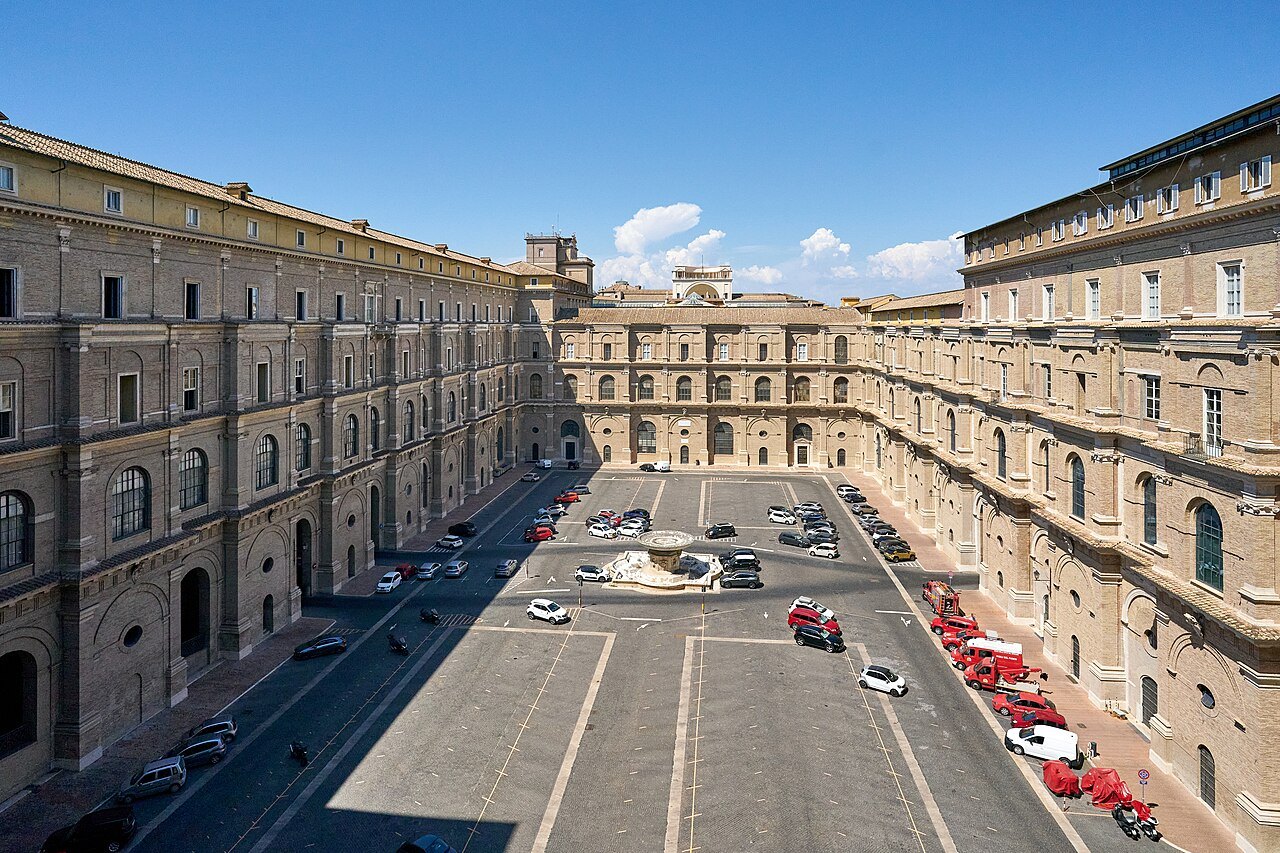
The chapel sits at the end of the long route through the Vatican Museums, after the sculpture courts, the map gallery and the Raphael Rooms, so that almost everyone arrives there having already passed several centuries of papal collecting before reaching Michelangelo's two decades of work on a single room.
Nothing about the ceiling asks to be solved in one visit. The nine Genesis scenes, the twelve prophets and sibyls, and the Last Judgment were built up over decades by a man who kept revising his own ambitions for the space; most visitors leave having understood one part of the story clearly and resolved to look again at the rest another time.
Read next
More from the journal
- The Vatican Museums and the Sistine ChapelHow long does it take to see the Vatican Museums?How the Vatican Museums' long route toward the Sistine Chapel shapes how much time a visit actually needs.Read the piece →
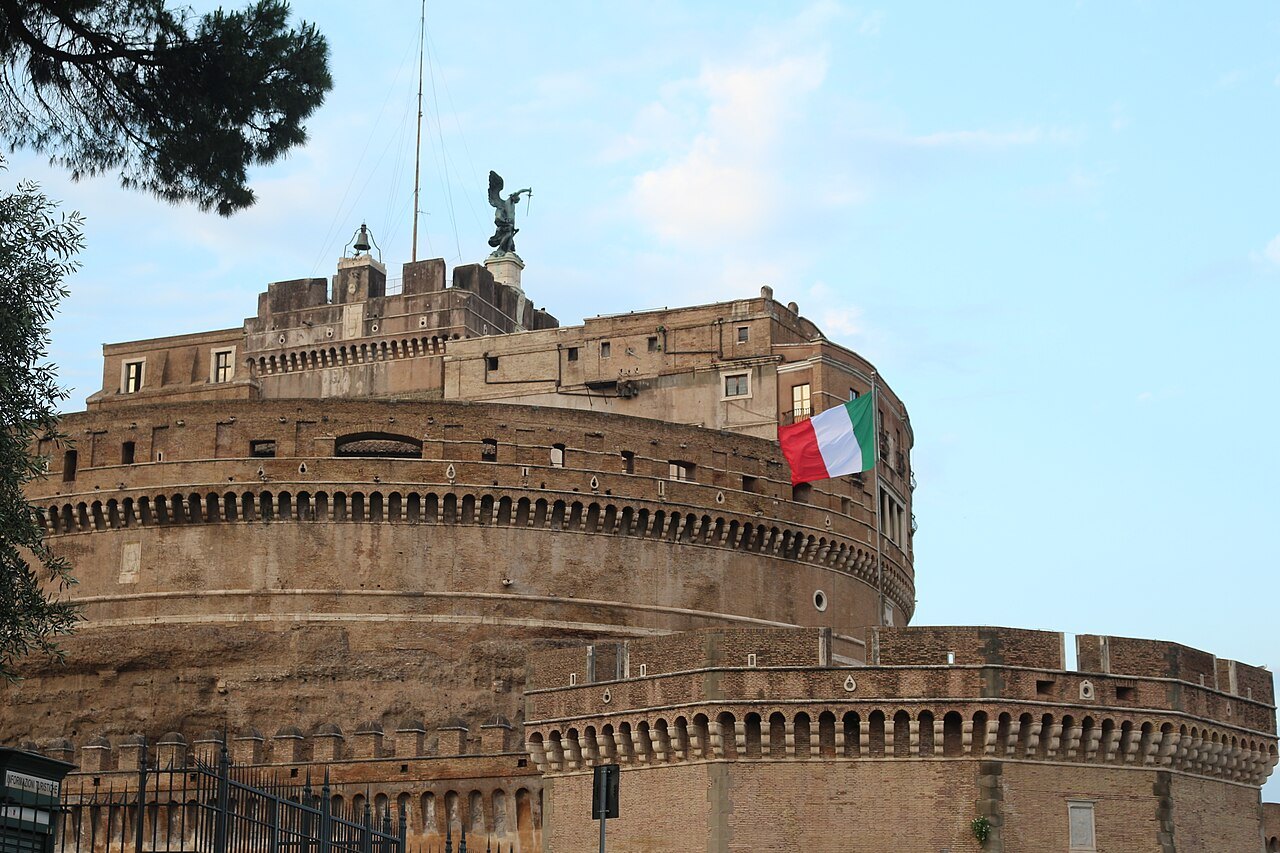
- Castel Sant'AngeloHow did the pope escape to Castel Sant'Angelo in 1527?How Pope Clement VII fled along a fortified corridor to Castel Sant'Angelo during the 1527 sack of Rome.Read the piece →
- Piazza del Popolo and the PincioHow did an Egyptian obelisk come to stand in Piazza del Popolo?How Augustus, Domenico Fontana and Pope Sixtus V brought a pharaoh's obelisk to the center of Piazza del Popolo.Read the piece →